
Polycarbonate plastics have become an essential part of modern life.
From baby bottles and food containers to drinking bottles and eyewear lenses, this durable material offers convenience, clarity, and strength.
However, the term “BPA free” has become increasingly common, especially in products that come into direct contact with food and beverages.
In this article, we’ll explore what polycarbonate BPA free really means, how it relates to everyday plastic containers, and what current scientific evidence says about its safety.
What Is Polycarbonate?
Polycarbonate is a type of plastic polymer known for its strength, clarity, and thermal properties. It’s part of a family of polycarbonate resins that have been used for decades in everything from food contact applications to industrial products.
Because of its durability and transparency, polycarbonate is often chosen for water bottles, food containers, and baby bottles.
Unlike glass, which can easily break, polycarbonate plastics are lightweight yet impact-resistant. This makes them ideal for daily use and travel.
However, traditional polycarbonate materials were made using an industrial chemical called Bisphenol A (BPA). This chemical became the center of public health discussions in the early 2000s due to concerns about potential health effects linked to BPA exposure.

What Is BPA and Why Is It Controversial?
Bisphenol A (BPA) is a synthetic compound used in producing polycarbonate plastics and epoxy resins. It gives plastics their hardness and clarity and helps epoxy coatings resist corrosion.
You can find BPA-based materials in many everyday products — from plastic bottles to food cans lined with epoxy resin.
The controversy began when studies suggested that BPA could leach out of plastic containers into food and beverages, especially when exposed to heat or high temperatures (for example, in the dishwasher or microwave).
Research on animals, including rodent studies, found that BPA might mimic human hormones and potentially affect reproduction, metabolism, and development. These findings raised questions about long-term human exposure, even at very low levels.
As a result, consumers and manufacturers started to look for safer alternatives — leading to the rise of BPA free polycarbonate products.
What Does “BPA Free” Mean?
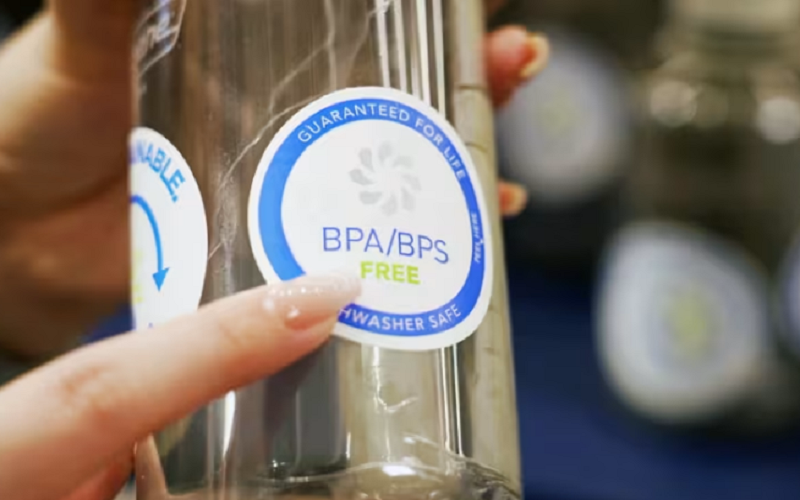
When you see a label that says “BPA free,” it means that the product does not contain BPA in its materials. In other words, no Bisphenol A was used in manufacturing that particular polycarbonate or epoxy resin.
Instead, manufacturers use alternative polymers or modified polycarbonate resins to achieve the same durability and clarity — without the concerns associated with BPA.
Today, BPA free polycarbonate is widely used for baby bottles, water bottles, and food containers, offering both safety and convenience.
Where BPA Can Be Found?
Even though BPA-free products are becoming more common, it’s important to know where BPA might still appear:
- Older polycarbonate baby bottles and drinking bottles
- Food cans lined with epoxy resins that contain BPA
- Certain plastics marked with recycle code #7, which may indicate the use of polycarbonate plastics
- Some industrial and thermal paper coatings
Checking labels and choosing BPA free or glass alternatives can help reduce exposure in daily life.
Scientific Perspective: Is BPA Exposure Harmful?
According to the U.S. Food and Drug Administration (FDA) and organizations such as the National Institute of Environmental Health Sciences, current levels of BPA exposure from food contact materials are considered safe.
The FDA’s ongoing safety review continues to evaluate scientific literature and research studies on BPA. As of the FDA’s current perspective, the very low levels of BPA found in food and beverages are not expected to pose a health risk to consumers, including infants and children.
This conclusion is based on multiple scientific evidence reviews, including those published in Environmental Health Perspectives and by the Royal Society. While animal studies suggest possible effects at high doses, these results have not been consistently observed in humans at current levels occurring in daily life.
BPA Free Polycarbonate: A Safer Alternative
The development of BPA free polycarbonate has addressed many consumer concerns. By eliminating Bisphenol A, these new materials maintain the same clarity, durability, and thermal resistance as traditional polycarbonate — without the risk of BPA leaching.
Durability and Heat Resistance
Polycarbonate plastics are known for their thermal properties and impact strength, making them ideal for reusable containers and bottles.
Many BPA free polycarbonate bottles can withstand hot liquids and are dishwasher safe, but it’s still best to avoid heat when possible.
Prolonged exposure to high temperatures can degrade any plastic, even BPA free ones, over time.
Safety for Food and Baby Use
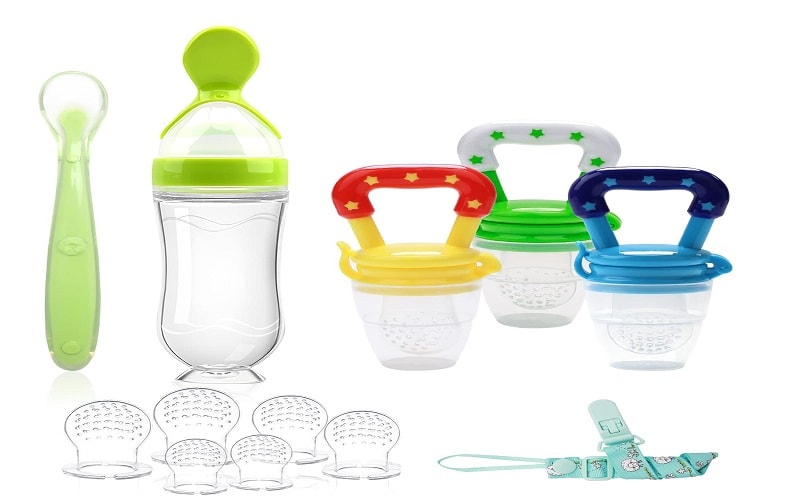
Because of their durability and lightweight design, polycarbonate baby bottles and food containers are popular alternatives to glass.
Parents often choose BPA free bottles to protect infants from potential chemical exposure while still enjoying the convenience of shatter-resistant materials.
Always look for bottles and containers labeled BPA free and check whether they are approved for food contact applications by recognized authorities such as the FDA or the European Food Safety Authority (EFSA).
Tips to Minimize BPA and Plastic Exposure
Even though the current scientific consensus indicates that BPA exposure is low and unlikely to cause harm, it’s always wise to practice safe usage habits for all plastic materials.
Here are a few simple steps:
- Avoid Heat: Don’t microwave or place hot liquids in plastic containers unless they are clearly labeled as heat-safe.
- Choose Fresh: When possible, store food in glass or stainless steel containers, especially for acidic or oily foods.
- Replace Old Containers: Over time, scratches and wear can increase the chance of chemical leaching.
- Check Recycling Codes: Look for recycle code 1, 2, 4, or 5 for safer plastics. Avoid #7 unless labeled “BPA free.”
- Use Alternatives: Stainless steel bottles and glass jars are great reusable options for drinking water and beverages.
These small changes can help reduce your overall contact with potential chemical residues, protecting both your health and the environment.
| Material Type | Average BPA Migration (µg/L) | Condition Tested | Relative Safety Rating | Common Uses |
| Traditional Polycarbonate | 0.5 – 2.0 | Hot water (70–100°C) | Moderate | Older water bottles, food containers |
| BPA Free Polycarbonate | < 0.01 (Below detection) | Same conditions | High | Baby bottles, modern food containers |
| Epoxy Resin (Canned Foods) | 0.1 – 0.6 | Stored liquids, ambient temp | Moderate | Metal food cans |
| Glass | 0 | All temperatures | Excellent | Food storage, baby bottles |
| Stainless Steel | 0 | All temperatures | Excellent | Drinking bottles |
| Polypropylene (#5) | < 0.05 | Hot water | Good | Microwave-safe food containers |
Environmental Health and BPA
The discussion around BPA isn’t only about personal health — it also involves environmental health. As BPA-containing plastics degrade or enter waste streams, they can potentially affect wildlife and aquatic ecosystems.
Studies in environmental health sciences suggest that BPA can enter drinking water through waste and landfill runoff. Although these levels are usually low, continuous monitoring helps ensure safety for both humans and the environment.
Choosing BPA free and recyclable materials supports sustainability while minimizing long-term ecological impact. Many manufacturers are also developing eco-friendly polymer alternatives that reduce chemical use without sacrificing performance.
How to Identify BPA-Free Polycarbonate Products
When shopping for plastic bottles or food containers, here are a few ways to identify BPA-free options:
Label Check: Look for the phrase “BPA free” printed on packaging or embossed on the container itself.
Recycle Code: Examine the small triangle symbol; #7 plastics may contain polycarbonate, but many newer #7 products are BPA free — verify before buying.
Brand Transparency: Reputable brands often share material details on their websites or product labels.
Certification: Products meeting FDA or European safety standards provide extra assurance for food contact applications.
Conclusion
Scientific evidence indicates that current BPA levels are low and deemed safe by the FDA for approved uses.
However, opting for BPA-free polycarbonate adds an extra layer of assurance, particularly for everyday essentials like baby bottles, food containers, and drinking bottles.
Adopt straightforward practices: avoid heat exposure to prevent leaching, select certified BPA-free products, and prioritize recycling.
These steps safeguard health, reduce chemical exposure, and promote environmental sustainability—all while maintaining the durability and convenience polycarbonate provides.