
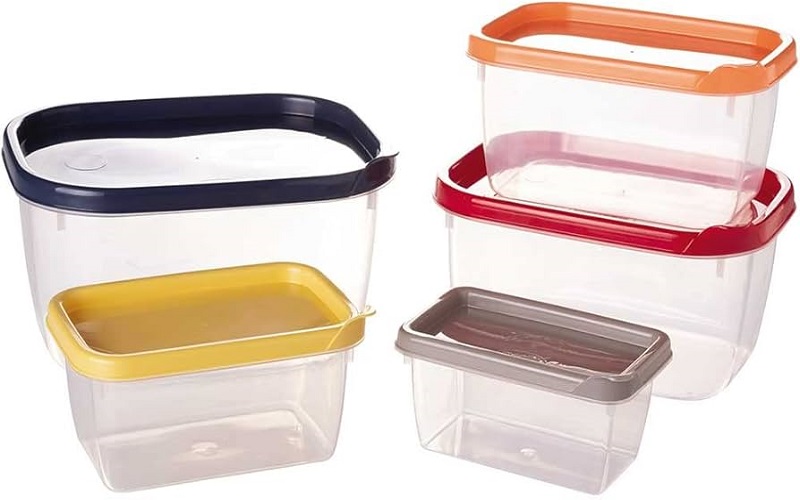
If you take a stroll through your kitchen, car, or supermarket, you’ll find polypropylene (PP) and polystyrene (PS) almost ubiquitous.
Both are thermoplastic polymer that can be melted and reshaped when heated, but when it comes to polypropylene vs polystyrene, the differences are huge.
The choice isn’t just about picking “plastic”—it’s about understanding heat resistance, chemical resistance, mechanical properties, durability, optical clarity, and environmental considerations.
Below, we’ll compare them step-by-step to help you understand which material best suits your specific needs.
The Basics of the Two Materials
Both polypropylene and polystyrene are synthetic polymers derived from petroleum-based monomers, yet they exhibit remarkably different properties that make each suited to specific applications.
Polypropylene is made from propylene monomers. It is a lightweight, low density material known for being tough, flexible, and highly heat resistant.
Its high melting point (typically 160–170°C) makes it the go-to material for applications that need to withstand higher temperatures.
PP is also famous for its excellent chemical resistance—it resists acids like sodium hydroxide and potassium hydroxide, as well as many organic solvents—which is why it’s widely used for medical containers, polypropylene tubes, and laboratory equipment.
Polystyrene, on the other hand, is produced from styrene monomer.
In its solid form, it is a rigid, brittle material with excellent optical clarity (almost glass-like), making it ideal for clear protective packaging, model assembly kits, and optical devices.
Most people recognize it as expanded polystyrene (EPS)—the lightweight foam used for insulation boards, foam cups, and protective packaging.
Heat Resistance
One of the biggest differences in polypropylene vs polystyrene is heat resistance.
Polypropylene has a high melting point and can handle higher temperatures without significant deformation.
This makes it perfect for hot fill containers, dishwasher-safe items, and food containers that need to hold boiling liquids. PP truly shines in heavy duty applications involving elevated temperatures.
Polystyrene has lower heat resistance and a lower melting point (typically softening around 100°C).
Standard PS products often warp or melt in the microwave or dishwasher, so it is generally limited to room-temperature or cold uses.
This lower heat resistance compared to PP is why polystyrene is rarely chosen for heat resistant applications.
Durability and Chemical Stability
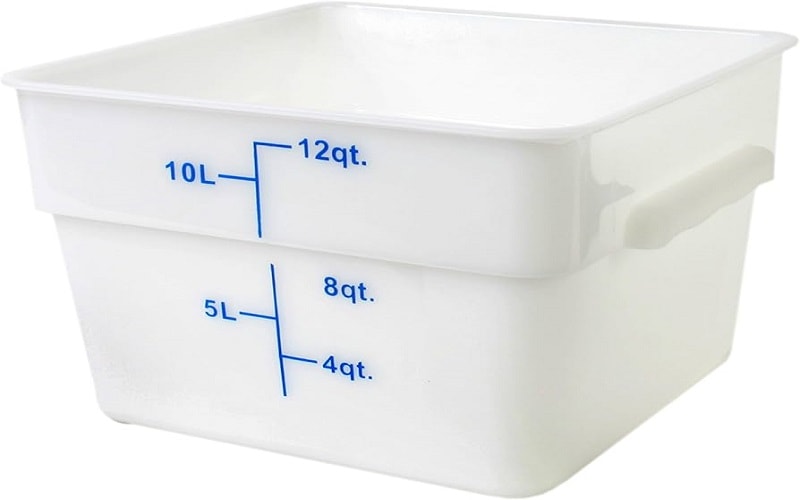
Polypropylene’s durability and excellent chemical resistance make polypropylene highly resistant to chemical reactions and chemical interaction with contents.
Chemical resistance polypropylene is one of its standout features—it holds up exceptionally well against organic solvents, acids, bases, and aggressive chemicals, making it ideal for laboratory equipment and medical containers.
Polystyrene is more sensitive in comparison.
While it works fine for dry goods, exposure to certain oils or chemicals can cause significant degradation.
It also has lower impact resistance—drop a PS item and it is likely to crack or shatter. This brittleness limits its use in demanding environments.
Mechanical Properties and Appearance
Polypropylene is a semi-rigid good material for complex shapes and repeated bending, like flip-top lids.
Its flexibility makes polypropylene cutlery durable and allows polypropylene fibers to be used across the textile industry for thermal underwear and non woven fabrics.
In contrast, polystyrene is a stiff and brittle material. While it offers great dimensional stability, it snaps easily under stress.
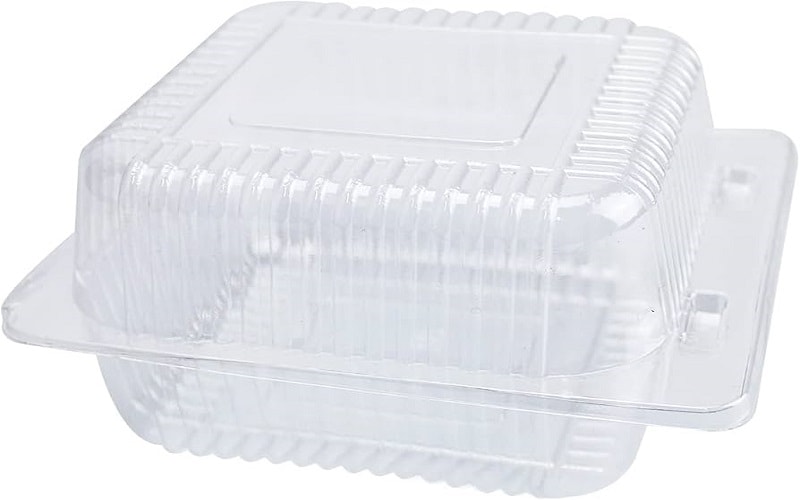
However, when optical clarity is a priority—like in clear packaging—polystyrene often outperforms polypropylene and even acrylonitrile butadiene styrene. Unlike the “glass-like” look of polystyrene, PP is typically translucent or opaque.
Common Applications in Industry
In the food service and food packaging industries, both materials have their niches.
Polypropylene is used for disposable food containers that need to be heat resistant, as well as polypropylene cutlery that can handle repeated use.
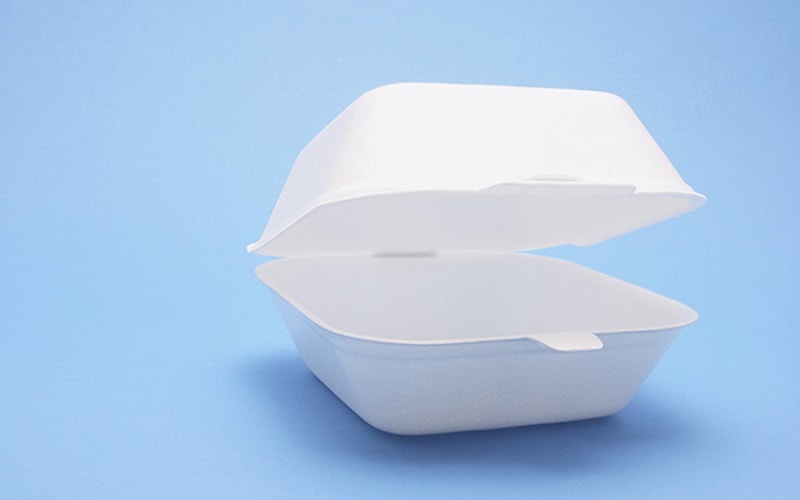
Polystyrene dominates cheap disposable cutlery, foam burger clamshells, and egg cartons for its low cost and insulation properties.
In the automotive industry and electrical and electronics industry, polypropylene is preferred for interior trim, bumpers, and electrical components thanks to its impact resistance and electrical resistance.
Polystyrene excels in building insulation boards and protective packaging.
Manufacturing Process and Unique Properties
The manufacturing process for both two materials involves polymerization, but their unique properties set them apart.
Polypropylene’s low density and ability to form complex shapes make it versatile for injection molding and extrusion.
Polystyrene’s ease of foaming during production results in lightweight expanded polystyrene that traps air for superior insulation.
Environmental Considerations
Environmental considerations for polystyrene are a major concern. Environmental considerations polystyrene have sparked widespread debate, as expanded polystyrene contributes heavily to plastic pollution, breaks into tiny pieces (microplastics), and is difficult and expensive to recycle—leading many cities and countries to impose bans on it.
Polypropylene is highly recyclable compared to many other materials, with mature recycling systems already in place in most regions.
While neither is biodegradable, PP is often seen as a more sustainable low cost alternative. Some manufacturers are exploring polylactic acid (PLA) as a bio-based competitor to help address these environmental challenges.
Comparison Table
| Feature | Polypropylene (PP) | Polystyrene (PS) |
|---|---|---|
| Melting Point | 160–170°C | 100–105°C |
| Heat Resistance | Up to 100–120°C | Up to 60–80°C |
| Impact Resistance | 2–6 kJ/m² (high toughness) | 0.2–2 kJ/m² (brittle) |
| Chemical Resistance | Excellent (resists acids, bases, alcohols, oils) | Moderate (sensitive to oils, solvents, aromatics) |
| Density | 0.90–0.91 g/cm³ | 1.04–1.06 g/cm³ |
| Tensile Strength | 30–40 MPa | 40–60 MPa (but brittle) |
| Flexural Modulus | 1,200–1,800 MPa | 2,500–3,500 MPa (stiffer) |
| Common Uses | Reusable food containers, hot fill packaging, car parts, medical devices, thermal underwear fibers | Disposable cutlery, foam cups, clear packaging, insulation boards, model kits |
Polystyrene vs Polypropylene: Which One Should You Choose?
The decision between polypropylene vs polystyrene depends on your needs:
- Choose polypropylene if you need higher heat resistance, excellent chemical resistance, durability, impact resistance, or reusability. It is the better choice for consumer products, food containers, packaging materials, and applications requiring withstand higher temperatures.
- Choose polystyrene when you need low cost, optical clarity, lightweight insulation, or single-use items like disposable food containers and clear protective packaging.
Both are important materials that have transformed modern life.
Polypropylene wins on durability, heat resistance, and recyclability, while polystyrene remains a leader for low cost, clarity, and insulation.
As sustainability pressures increase, polypropylene is increasingly the smarter long-term choice for most applications.