
In the world of modern manufacturing, choosing the right material can make or break your product’s success.
If you are looking for a plastic that is tough, affordable, and incredibly reliable, high density polyethylene (HDPE) is likely at the top of your list.
High-Density Polyethylene (HDPE) is a thermoplastic polymer made from the polymerization of ethylene, a by-product of petroleum.
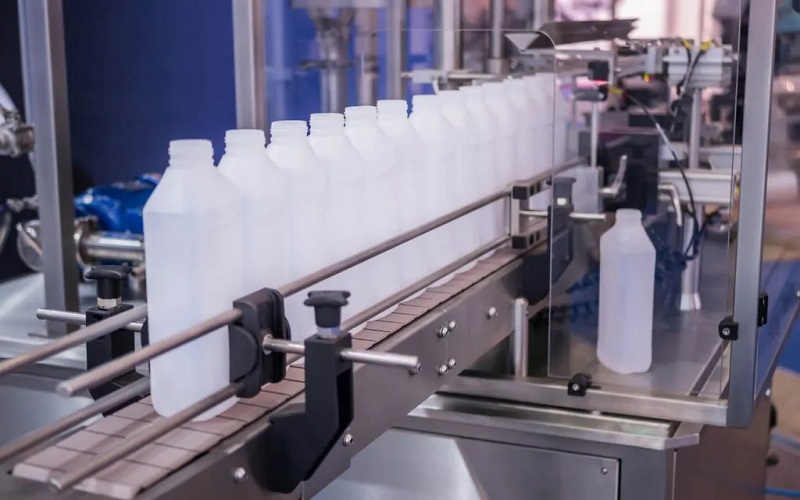
HDPE injection molding has become the go-to manufacturing process for everything from milk jugs to heavy-duty industrial products.
But why is this thermoplastic polymer so popular?
In this guide, we will break down the benefits, the process, and why injection molding hdpe might be the best move for your next project.
What is High Density Polyethylene (HDPE)?
High density polyethylene, or HDPE, is a thermoplastic material made from ethylene.
It belongs to the polyethylene family but stands out because of its high density, and is widely used in the production of many everyday products such as plastic bottles, food storage, and piping.
This higher density gives it a much stronger structure than standard plastics, resulting in high tensile strength and overall toughness.
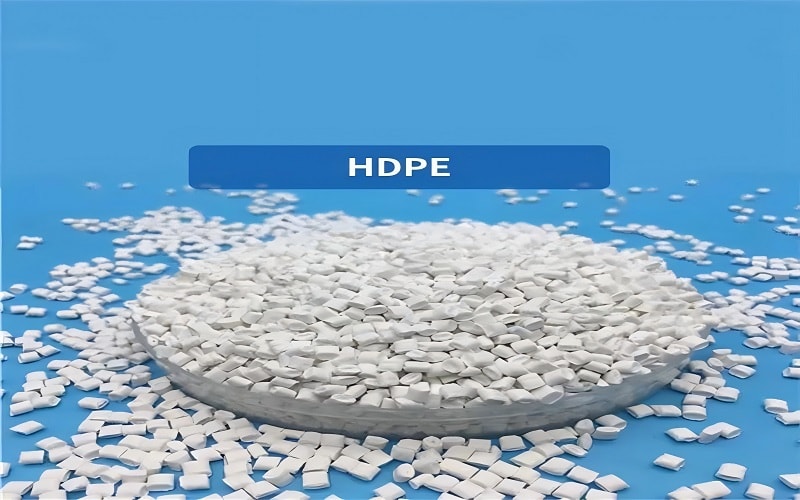
Often referred to as a commodity plastic, hdpe plastic is known for being a low cost and versatile plastic. It usually arrives at the factory in pellet form, ready to be melted and shaped.
Because it is so widely available and easy to work with, it has become a popular material across many applications in the manufacturing world.
The HDPE Injection Molding Process
Plastic injection molding is the most efficient way to produce parts in high volume.
HDPE is widely used for injection molding due to its low cost, chemical resistance, high tensile strength, impact resistance, and low moisture absorption.
HDPE Processing Characteristics
When we talk about hdpe injection, the process is straightforward but requires specific knowledge of the material’s characteristics.
| Characteristic | Technical Specification | Impact on Injection Molding |
| Melt Temperature | 190°C – 280°C | Ensures the resin flows smoothly into the tooling without degrading. |
| Mold Temperature | 20°C – 60°C | Critical for controlling the cooling time and achieving a smooth surface finish. |
| Shrinkage Rate | 1.5% – 3.0% | High shrinkage requires precise mold design to maintain required specifications. |
| Injection Pressure | 500 – 1500 bar | Necessary to force the viscous plastic into complex parts and thin walls. |
| Density | 0.941 – 0.965 g/cm³ | Defines the overall toughness and high tensile strength of the final molded parts. |
How It Works?
The manufacturing cycle begins by feeding hdpe pellets into a heated barrel. As the resin moves through the barrel, it reaches its melt temperature.
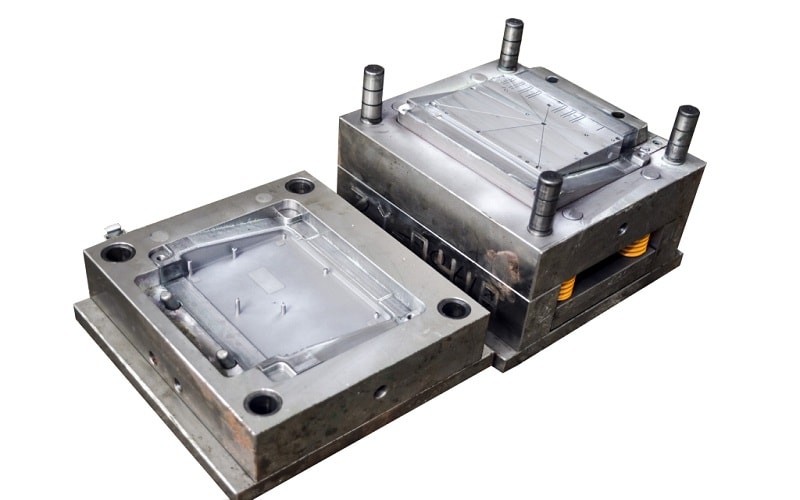
Once it is a consistent liquid plastic, it is injected under high pressure into a custom-made metal mold.
The material then cools inside the tooling, solidifying into the required specifications.
Once the molded parts are firm, they are ejected, and the cycle starts again.
Because of its excellent processability, hdpe injection molding is incredibly fast, allowing industries to create thousands of components in a single day.
Top Benefits of Using HDPE
Why choose injection molding hdpe over potential alternatives like polypropylene? Here are the primary reasons:
Incredible Chemical Resistance
One of the standout features of high density polyethylene hdpe is its chemical resistance.
It doesn’t react easily with acids, reducing agents, or base chemicals.
This makes it the ideal material for containers that hold cleaning supplies or industrial liquids.
Moisture and Impact Resistance
HDPE is naturally hydrophobic, meaning it repels moisture.
This is vital for storage containers and pipes. Additionally, its impact resistance is top-tier.
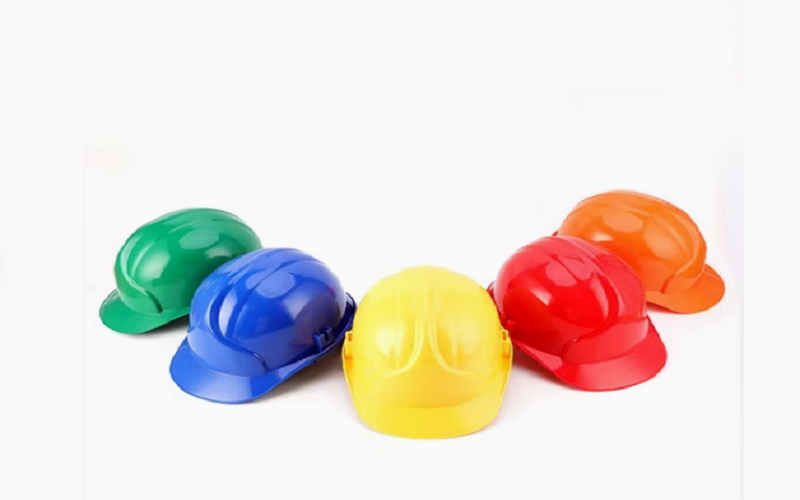
Even at high temperatures or in freezing conditions, hdpe parts tend to bounce back rather than shatter, making them great for hard hats and protective gear.
Cost-Effective Production
HDPE is a cost effective choice for high volume production.
Because it is a low cost resin and the injection cycle is so fast, the cost per part is significantly lower than with many other thermoplastic options.
Using cost effective hdpe allows companies to stay competitive in the consumer goods market.
Versatility and Food Safety
There is a wide array of hdpe grades available.
For example, fda grades are used extensively for food storage containers and medical applications. HDPE is considered food-safe by the FDA and does not leach dangerous chemicals into food products.
Whether you need a flexible thin-walled container or a rigid industrial part, there is a grade of polyethylene high density that fits.
Common Applications for HDPE Injection Molding
Because hdpe is so adaptable, you can find injection molded products in almost every corner of the industrial and consumer sectors.
Typical applications of HDPE include toys, containers, pipes, and automotive components.
Consumer Products: Things like kitchenware, storage containers, and toys are commonly made from hdpe.
Industrial Applications: HDPE is widely used for plastic piping due to its moisture resistance and flexibility.Large pallets, pipes, and chemical tanks take advantage of the material’s durability.
Packaging: Since it is food safe, it is the standard for food storage containers and bottle caps.
Safety Gear: Because of its overall toughness, it’s used to manufacture hard hats and other industrial safety components.
HDPE vs. Polypropylene: Which One to Choose?
When looking at potential alternatives, polypropylene is the closest rival to hdpe. Both are thermoplastic materials, but they have slight differences:
- HDPE generally has better impact resistance, especially in cold weather.
- Polypropylene is slightly more flexible and handles repeated movement (like a living hinge) better.
- For most storage containers and heavy industrial products, hdpe is often preferred for its ruggedness.
Key Considerations for Success
To get the best results from injection molding hdpe, you must pay attention to the melt temperature and mold design.
While hdpe has excellent processability, it does have a high shrink rate. This means the tooling must be designed by experts to ensure the molded parts meet the required specifications once they cool down.
Furthermore, because it is a thermoplastic material, it is highly recyclable.
This makes hdpe injection molding a more sustainable choice for industries looking to reduce their environmental footprint while still producing high-quality consumer and industrial products.
To get the highest quality molded parts, you should keep these practical design tips in mind:
Wall Thickness and Geometry
Consistency is key in plastic injection molding.
The recommended minimum wall thickness for HDPE ranges between 0.76 and 3.18 mm. Keeping your walls within this range helps the resin cool evenly.
Additionally, pay attention to the edges of your design.
Sharp corners are difficult to injection mold, so radii should be applied to both the inside and outside corners of the part to help the material flow better.
Ensuring Smooth Ejection
Once the manufacturing process is finished, the part needs to come out of the mold without sticking.
Draft angles should be applied to the vertical walls of parts to ensure they eject cleanly from the injection mold.
Without these angles, the machine has to work harder, and you risk damaging the surface of your hdpe parts.
Balancing Accuracy and Cost
Every project has a budget.
It’s important to know that parts with tighter tolerances are more expensive to mold than parts with commercial tolerances.
Unless your part requires extreme precision for a complex mechanical fit, sticking to commercial standards can be a great way to keep your project cost effective.
Setting the Right Pressure
Finally, the machine must be set up to handle the specific characteristics of high density polyethylene.
For a successful run, injection pressures for HDPE injection molding generally range from 5.5 to 10 MPa.
This ensures the mold is filled completely, creating a strong and reliable final product.
Summary: Why HDPE is the Manufacturing Standard?
In summary, high density polyethylene offers a unique combination of durability, chemical resistance, and low cost.
It is a versatile plastic that can be molded into complex parts with high precision.
Whether you are producing medical applications or simple consumer products, hdpe injection molding provides the cost effective and reliable solution that modern manufacturing demands.