
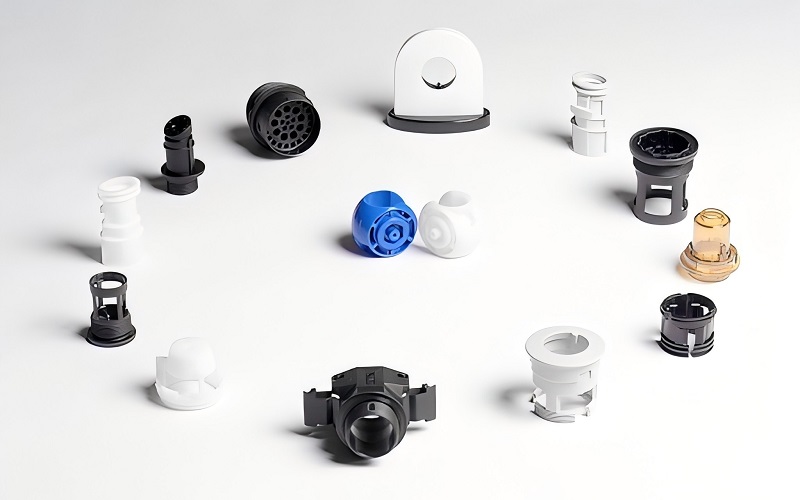
HDPE molding is one of the most widely used manufacturing processes in the plastics industry today.
Whether you’re making pipes, food containers, or medical devices, high density polyethylene (HDPE) shows up everywhere — and for good reason.
It’s affordable, durable, and surprisingly easy to work with.
In this guide, we’ll walk you through everything you need to know about HDPE injection molding, from its key properties to design best practices and real-world applications.
What Is HDPE and Why Does It Matter?
High density polyethylene, or HDPE, is a thermoplastic polymer made from petroleum.
It belongs to the polyethylene family and is known for its higher density compared to other types of polyethylene, which gives it better strength and rigidity.
It comes in pellet form and is melted down during the manufacturing process before being shaped into finished products.
HDPE is often referred to as a commodity plastic, meaning it’s widely available and relatively low cost compared to engineering plastics and specialty polymer blends.
Despite being budget-friendly, it doesn’t compromise much on performance — which is exactly why it’s so popular across so many industries.
What really sets HDPE apart is its combination of properties.
It’s lightweight, highly resistant to moisture, and offers excellent chemical resistance against a wide range of substances including strong acids and reducing agents.
It also has impressive tensile strength and impact resistance, making it suitable for both everyday consumer products and more demanding industrial components.
Properties of HDPE are controlled by the density, and molecular weight distributions.
How HDPE Injection Molding Works?
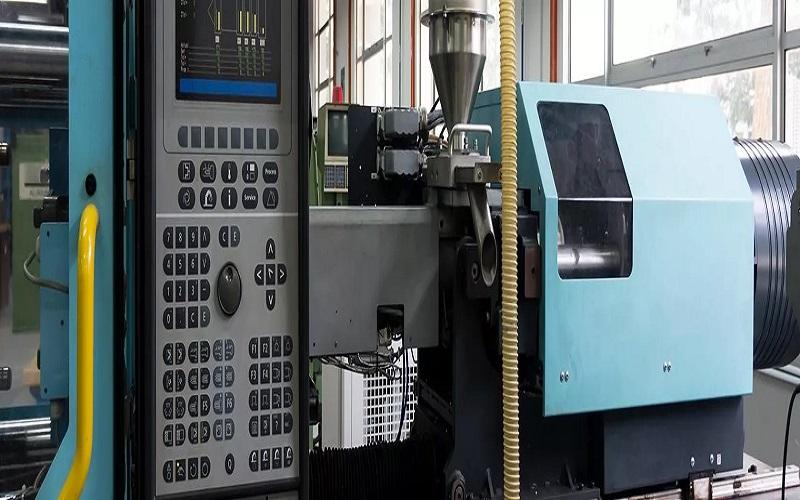
HDPE injection molding is a straightforward but precise manufacturing process. Here’s how it works in simple terms:
The HDPE plastic starts in pellet form and is fed into an injection molding machine. The machine heats the material until it reaches its melt temperature, which typically falls between 246°C (Air)and 280°C (or 356°F to 536°F). Once melted, the HDPE is pushed under pressure into a mold cavity, where it takes on the desired shape.
After injection, the material cools inside the mold. A high-functioning cooling system is critical here — it controls cycle times and minimizes common issues like warping and shrinkage.
The molding temperature during this stage generally ranges from 68°F to 194°F.
Once the part has cooled and solidified, the mold opens and ejects the finished piece.
The mold then resets, and the whole process repeats.
One thing worth knowing: injection molded HDPE has a relatively high rate of shrinkage, which can be up to 4%.
This is something designers and engineers need to account for when creating molds, especially for parts that require tight tolerances.
The injection pressure for HDPE injection molding generally ranges from 5.5 to 10 MPa, and getting this right helps reduce internal stresses in the final part.
The Advantages of Using HDPE
There are several benefits to choosing HDPE for your injection molded products, and it’s not hard to see why it’s such a popular material across so many applications
It’s cost effective. HDPE is typically lower in cost compared to other materials, like specialty plastics and engineering plastics, which makes it a go-to choice for high-volume production runs. Its lightweight nature also contributes to cost-efficiency downstream — lighter parts mean lower shipping costs and, in automotive applications, improved fuel efficiency.
It handles chemicals well. HDPE has good chemical resistance, standing up to a wide range of chemicals including strong acids, bases, and reducing agents. This makes it a dependable choice for the stored properly of chemical storage tanks, industrial pipelines, and outdoor applications frequently exposed to corrosive substances.
It resists moisture. HDPE has low moisture absorption, meaning it doesn’t swell or degrade when exposed to water. This property makes it widely used for piping systems designed to carry large volumes of water, as well as for outdoor and marine applications.
It’s durable and impact resistant. HDPE parts hold up well under physical stress. The material’s impact resistance means it can take a hit without cracking, which is why it’s used for playground equipment, industrial containers, and consumer products that need a long life.
It’s food-safe and suitable for medical applications. HDPE is FDA-approved for contact with food and is used in medical devices and packaging. Its biocompatibility makes it suitable for certain medical applications including implants and surgical instruments.
It’s recyclable. HDPE is a thermoplastic, which means it can be remelted and reused when properly processed at a recycling plant. This makes it a more sustainable option compared to many other plastics, contributing to resource conservation and waste reduction.
The Disadvantages You Should Know About
No material is perfect, and HDPE is no exception. Understanding its limitations helps you decide whether it’s the right choice for your specific application or whether you should consider potential alternatives.
It has a high shrinkage rate. As mentioned earlier, HDPE shrinkage can reach up to 4%, which can lead to defects such as warping during the injection molding process. This requires careful mold design and process control to manage effectively.
It’s susceptible to environmental stress cracking. One of HDPE’s more notable weaknesses is environmental stress cracking — this happens when the material is exposed to long-term tensile loads combined with certain chemicals or environments. Parts that aren’t designed properly are especially prone to this issue.
It’s difficult to bond. HDPE has a low surface energy, which makes it hard to glue or bond without specialized adhesives or surface treatments. This can complicate assembly processes, especially for complex parts.
It has limited resistance to UV radiation. While HDPE performs well outdoors in many ways, it does have limited resistance to UV radiation over time. Without UV stabilizers added during production, prolonged sun exposure can degrade the material.
It’s flammable. Flammable HDPE is a real concern in certain environments. The material begins to burn when exposed to temperatures above 340°C, so it’s not suitable for applications involving high heat or open flames without appropriate consideration.
Design Guidelines for HDPE Injection Molding
Getting the most out of HDPE requires following some key design guidelines. These best practices help you produce parts that are consistent, defect-free, and cost-effective.
Good part design starts with thinking about how the material flows and cools inside the mold. Small decisions at the design stage can have a big impact on the quality of your injection molded products.
Wall Thickness
One of the most important design considerations is wall thickness. Applying a uniform wall thickness throughout your part is strongly recommended. Uneven walls cause uneven cooling, which leads to warping, sink marks, and internal stresses.
The recommended minimum wall thickness for HDPE ranges between 0.76 and 3.18 mm. To limit the risk of defects, keep wall thickness as consistent as possible and reduce the size of the mold gate area where you can.
Corners and Radii
Sharp corners are difficult to injection mold and create stress concentration points that can weaken the part. Instead, apply radii to both the inside and outside corners of your design. A good rule of thumb is to make the radii at least 25% of the wall thickness — this limits stress concentrations and supports smoother melt flow through the mold.
Draft Angles
Draft angles make it easier to eject parts from the mold without damaging them. For more complex HDPE parts, draft angles between 0.5% and 1% per side are recommended. Without adequate draft, parts can stick in the mold and come out with surface damage.
Gate Placement
Where you place the gate — the entry point for molten HDPE into the mold — matters a lot. Optimal gate locations are at the thickest part of the component. This facilitates proper flow and minimizes pressure drop, helping the material fill the mold evenly and reducing the risk of voids or weld lines.
Tolerances and Cost
Parts with tighter tolerances are more expensive to produce because they require stricter injection mold and processing requirements. If your application doesn’t demand extremely tight tolerances, designing with more flexibility can bring your production costs down significantly.
Common Applications of HDPE Molding
HDPE molding is used across a wide range of industries, and it’s easy to see why. Its combination of low cost, durability, and chemical resistance makes it suitable for everything from everyday consumer products to specialized industrial components.
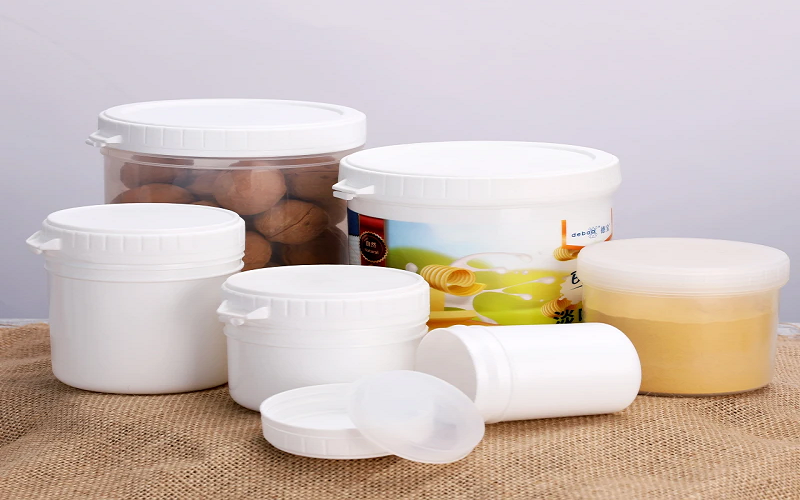
In the consumer space, common applications include milk jugs, detergent bottles, food storage containers, and toys. These products benefit from HDPE’s food-safe properties, low cost, and ease of production.
In construction and infrastructure, HDPE is widely used for pipes designed to transport water and other fluids. Its high resistance to moisture and chemicals, combined with its long life, makes it a reliable choice for both above-ground and underground piping systems.
For outdoor applications, HDPE is used in playground equipment, garden furniture, and plastic lumber. Its durability and resistance to weathering — especially when UV stabilizers are added — make it well suited for products that need to hold up in the elements.
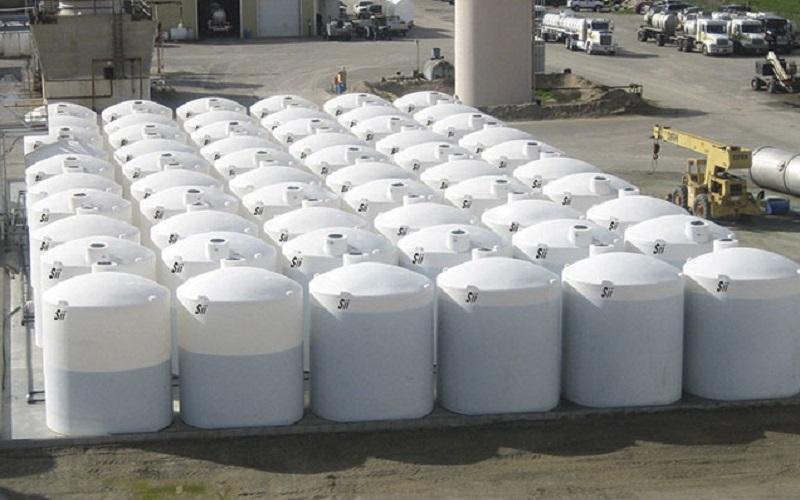
In industrial settings, HDPE is used for chemical storage tanks and containers that need to hold up against aggressive substances. Its excellent chemical resistance against acids, bases, and reducing agents makes it one of the go-to materials for this type of application.
In the medical field, HDPE’s biocompatibility and FDA approval open the door to a range of medical devices and packaging solutions. It’s used in everything from medical containers to certain implants and surgical instruments.
Summary
HDPE molding offers a compelling mix of affordability, durability, and versatility that’s hard to beat.
Its excellent processability makes it a favorite for high-volume production, and its wide range of useful properties — from chemical resistance and impact resistance to low moisture absorption and recyclability — means it fits comfortably into many applications across many industries.
That said, it’s not a one-size-fits-all solution. Environmental stress cracking, UV sensitivity, flammability, and bonding challenges mean it’s important to evaluate HDPE carefully against your specific application requirements before committing. For many use cases, though, it remains one of the most cost effective and reliable materials available.
Whether you’re designing a new product or optimizing an existing one, following the design guidelines outlined here will help you get the best results from your HDPE injection molding process — and avoid the most common pitfalls along the way.