
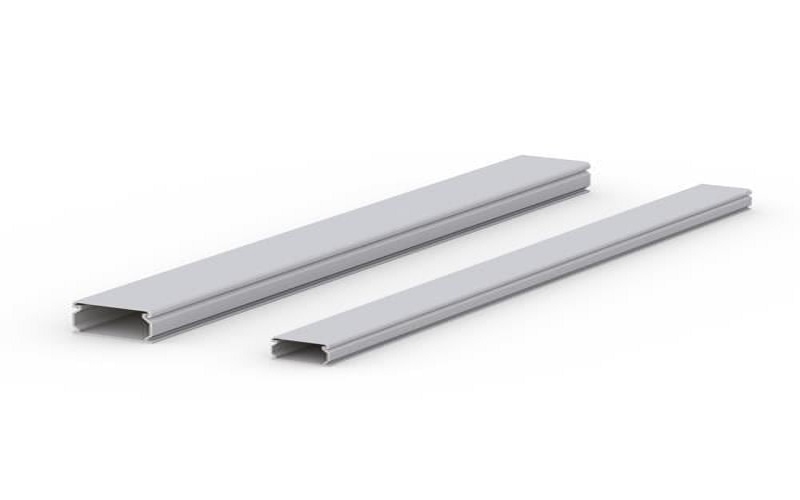
Wire plastic molding might not be the most talked-about topic in manufacturing, but it plays a critical role in keeping electrical systems safe, organized, and reliable.
From automotive wiring harnesses to fiber optic cable management in commercial buildings, wire plastic molding shows up in more places than most people realize.
If you’re trying to understand what it is, why it matters, and how to get the most out of it, this guide covers everything you need to know.
What Is Wire Plastic Molding?
At its core, wire plastic molding involves wrapping wires and cables in a protective plastic casing. The result is a structured, durable enclosure that keeps wiring neat, protected, and properly routed — whether that’s inside a car dashboard, along the walls of a commercial building, or inside a piece of industrial equipment.
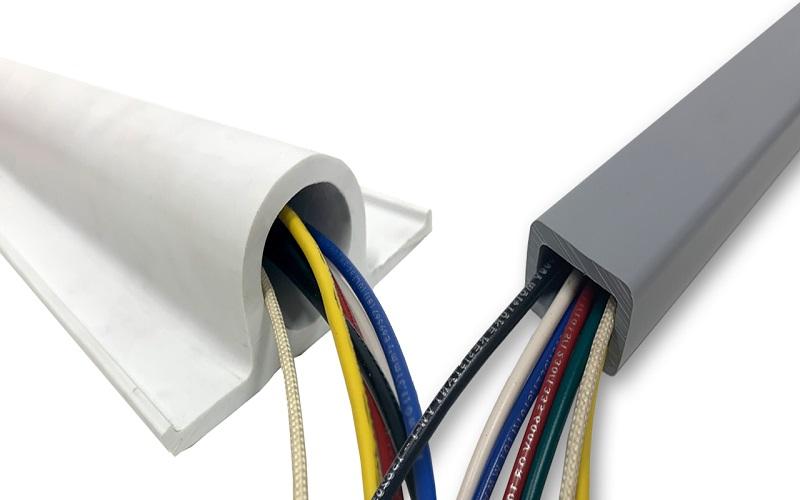
Plastic wire molding is often made from materials like PVC to create channels, ducts, raceways, or trays for housing electrical wiring. PVC is a popular choice because it’s low cost, easy to work with, and holds up well in both residential and industrial settings. Depending on the application, manufacturers may also use other thermoplastics that offer specific properties like UV resistance, flame retardancy, or extra flexibility.
The process itself can take a few different forms. The extrusion process is commonly used to create hollow shapes for plastic wire molding that house electrical wiring — this method is efficient for producing long, consistent profiles like cable raceways and conduit channels. For more complex components like connectors, strain reliefs, and custom housings, injection molding is typically used instead.

How Wire Plastic Molding Works?
Understanding the manufacturing process helps clarify why wire plastic molding produces such consistent, high-quality results.
In injection molding applications, the process starts with plastic material — usually in pellet form — being melted down and injected into a mold cavity. This technique, known as insert molding, allows the molten plastic to flow around the wire or cable insert, or form the housing that will later receive the wiring. Once the plastic cools and solidifies, the finished part is ejected from the mold.
The wire plastic molding process ensures precise alignment and a tight bond, enhancing product reliability.
This is especially important in applications where the connection between the wire and its plastic housing needs to withstand vibration, pulling force, or repeated flexing.
A poorly formed bond at this stage can lead to premature failure in the field.
For outdoor installations where an exposed ground wire is vulnerable to environmental damage, plastic ground wire molding provides an added layer of protection, shielding the wire from moisture, UV exposure, and physical impact.
One of the practical advantages of this process is efficiency. The wire plastic molding process provides a high-quality finished product, often eliminating the need for further secondary finishing steps. That means fewer steps in the production line, less handling, and lower overall manufacturing costs.
The installation of plastic wire molding in building and infrastructure applications also requires accurate measurement of the wiring layout before installation begins. Getting this right upfront ensures a clean, professional result and avoids wasted material.
The Benefits of Wire Plastic Molding
There are several strong reasons why wire plastic molding has become the preferred approach across so many industries. Here’s a closer look at what makes it worth choosing.
It protects wiring from damage. Wire plastic molding enhances product design by providing superior protection against damage, moisture, and EMI/RF interference. In environments where wiring is exposed to physical contact, humidity, or electromagnetic noise, having a well-designed plastic enclosure can mean the difference between reliable performance and costly failures.
It reduces weight and assembly costs.Wire plastic molding reduces assembly costs and weight compared to metal-based alternatives. Plastic components produced through wire plastic molding can be up to 50% lighter than metal alternatives — a significant advantage in industries like automotive and aerospace where every gram matters. Lighter components also make installation easier and reduce shipping costs.
It enables complex, precision components.Wire plastic molding enables the creation of durable, complex, and high-precision components with integrated strain relief. Rather than assembling multiple separate parts, manufacturers can produce a single molded component that handles multiple functions at once — including protecting the wire, guiding it into the correct position, and relieving mechanical stress at connection points. This integrated design ensures the resulting assembly is extremely easily secured while offering superior handling ease during subsequent installation phases.
It provides built-in strain relief.Strain reliefs in cable assemblies protect wires from damage at connection points. Without strain relief, repeated bending or pulling at a connector can cause the wire to break at its most vulnerable point. Molded strain reliefs solve this problem by distributing stress along a longer section of the cable, dramatically extending the product’s service life.
It’s cost effective at scale.Once tooling is in place, wire plastic molding is an efficient and repeatable process that delivers consistent results across high production volumes. The elimination of secondary finishing steps adds further savings, making it an attractive option for manufacturers looking to keep production costs under control.

Key Types of Wire Plastic Molding
Not all wire plastic molding solutions are the same. Depending on your application, you may be working with one of several different systems.
Raceways and Cable Management Systems
Raceways and cable management systems are among the most common products in this category.
Raceways are more versatile and flexible than traditional electrical conduits, making them suitable for a broader range of uses.
They can be surface-mounted along walls and ceilings, snapped open for easy access, and reconfigured without major disruption.
This is a significant advantage over traditional conduit. Electrical conduits are typically made of metal and are harder to access once installed, making them less suitable for applications requiring frequent maintenance.
Companies like Multilink offer a variety of raceway molding systems including Flex Path, Steel Molding, and Micro Molding, covering a wide range of cable management needs.
Multilink’s raceway molding systems are designed specifically for fiber optic cable applications, where careful handling and protection of delicate cables is essential.
Multilink’s raceway molding products are also tested in a laboratory to ensure they meet high durability and performance standards — something worth looking for when evaluating any cable management product.
Ground Wire Molding
Ground wire molding is another important category.
MacLean Power Systems manufactures ground wire molding made from high impact resistant, UV stabilized PVC — a good example of how material selection is tailored to specific performance requirements.
UV stabilization is critical for any product that will be used outdoors or in environments with significant light exposure, as untreated PVC can become brittle over time when exposed to sunlight.
Custom Plastic Wire Molding
Custom plastic wire molding is the right choice when standard off-the-shelf products don’t fit the bill.
RMC Plastics specializes in providing custom plastic wire molding solutions for various industries, working with clients to design and manufacture components that meet specific dimensional, material, and performance requirements.
RMC Plastics emphasizes quality control throughout the manufacturing process of plastic wire molding, ensuring that customers parts meet the same standards as mass-produced alternatives.
Wire Harnesses
Wire harnesses represent another form of organized wire management.
Wire harnesses are custom, durable, and organized wiring systems used in automotive and industrial sectors.
They bundle multiple wires together into a single, manageable assembly, reducing clutter and making installation faster and more reliable.
Materials and Construction
Wire plastic molding employs thermoplastic materials selected for specific performance characteristics. The manufacturing process and additive chemistry determine how products perform across different environments.
Primary Materials:
| Material | Plastic Features | Typical Applications |
|---|---|---|
| Rigid PVC | Cost-effective, good dielectric strength, easy workability | General interior/exterior use |
| ABS | Higher impact resistance, dimensional stability | Industrial environments |
| Polycarbonate | Superior clarity, temperature resistance | Clear track, high-temp areas |
| Halogen-free formulations | Reduced toxic smoke in fires | Healthcare, data centers |
The extrusion process creates consistent profiles at high volume.
Plastic pellets are fed into heated chambers where molten plastic is compressed and forced through shaped dies, producing base and cover sections with predictable dimensions.
This methodology—analogous to squeezing toothpaste from a tube—enables efficient manufacturing of seamless protective housings.
Performance additives customize materials for specific applications:
- Impact modifiers enhance durability in high-traffic zones
- UV stabilizers protect outdoor installations from photodegradation
- Flame retardants meet building safety codes for plenum-rated spaces
Typical performance attributes include dielectric strength in the 20–30 kV/mm range, operating temperature ranges from −20°F to 120°F, and UL/CSA ratings meeting 2024 code requirements.
Understanding these specifications helps technicians make informed decisions when selecting products for specific installations.
Typical Applications and Use Cases
Wire plastic molding is essential for producing components in industries such as automotive, medical, aerospace, and industrial equipment. Each of these sectors has its own specific requirements, but they all share a need for reliable, well-protected wiring solutions.
In the automotive industry, wire plastic molding is used extensively for wiring harnesses, connectors, and cable management throughout the vehicle. Modern vehicles contain a significant amount of electrical wiring, and keeping all of it organized, protected, and properly routed is a major engineering challenge. Molded plastic components help manage this complexity while keeping weight down.
In medical applications, precision and reliability are non-negotiable. Wire plastic molding is used in medical devices to protect sensitive wiring from moisture, contamination, and mechanical stress. The ability to produce complex, tight-tolerance components with integrated strain relief makes injection molded wire housings a natural fit for medical equipment.
In aerospace, weight is always a concern, and the 50% weight reduction that plastic offers over metal alternatives is highly attractive. Aerospace components also need to perform reliably in extreme conditions, which drives demand for high-performance plastic materials with specific thermal and chemical resistance properties.
In industrial applications, wire plastic molding protects wiring from the harsh conditions common in factory environments — including vibration, dust, moisture, and chemical exposure. Durable PVC raceways and molded cable assemblies help extend the life of electrical systems in these demanding settings.
Best Practices for Wire Plastic Molding
Getting the best results from wire plastic molding comes down to a few key practices, whether you’re designing a new product or managing a cable installation project.
Choose the right material for your environment. PVC is a solid all-around choice, but if your application involves UV exposure, high temperatures, or specific chemical environments, you may need a material with additional properties. UV stabilized PVC, for example, is essential for outdoor applications, as demonstrated by products like MacLean Power Systems’ ground wire molding.
Plan your wiring layout carefully before installation. The installation of plastic wire molding requires accurate measurement of the wiring layout. Taking the time to map out your routing before cutting or installing any components saves time, reduces waste, and produces a cleaner final result.
Incorporate strain relief into your design. Don’t treat strain relief as an afterthought. Building it into the molded component from the start is far more effective and cost efficient than trying to add it later. Strain reliefs in cable assemblies protect wires from damage at connection points, and getting this right is one of the most important factors in long-term product reliability.
Work with manufacturers who prioritize quality control. Consistency matters in wire plastic molding. Small variations in wall thickness, bond quality, or dimensional accuracy can cause problems down the line. Look for suppliers who, like RMC Plastics, emphasize quality control throughout the manufacturing process.
Consider raceways over conduit for accessible installations. If your wiring may need to be accessed, modified, or expanded in the future, raceways are a smarter choice than traditional conduit. Their flexibility and ease of access make maintenance far less disruptive and costly.
Installation Basics for Wire Plastic Molding
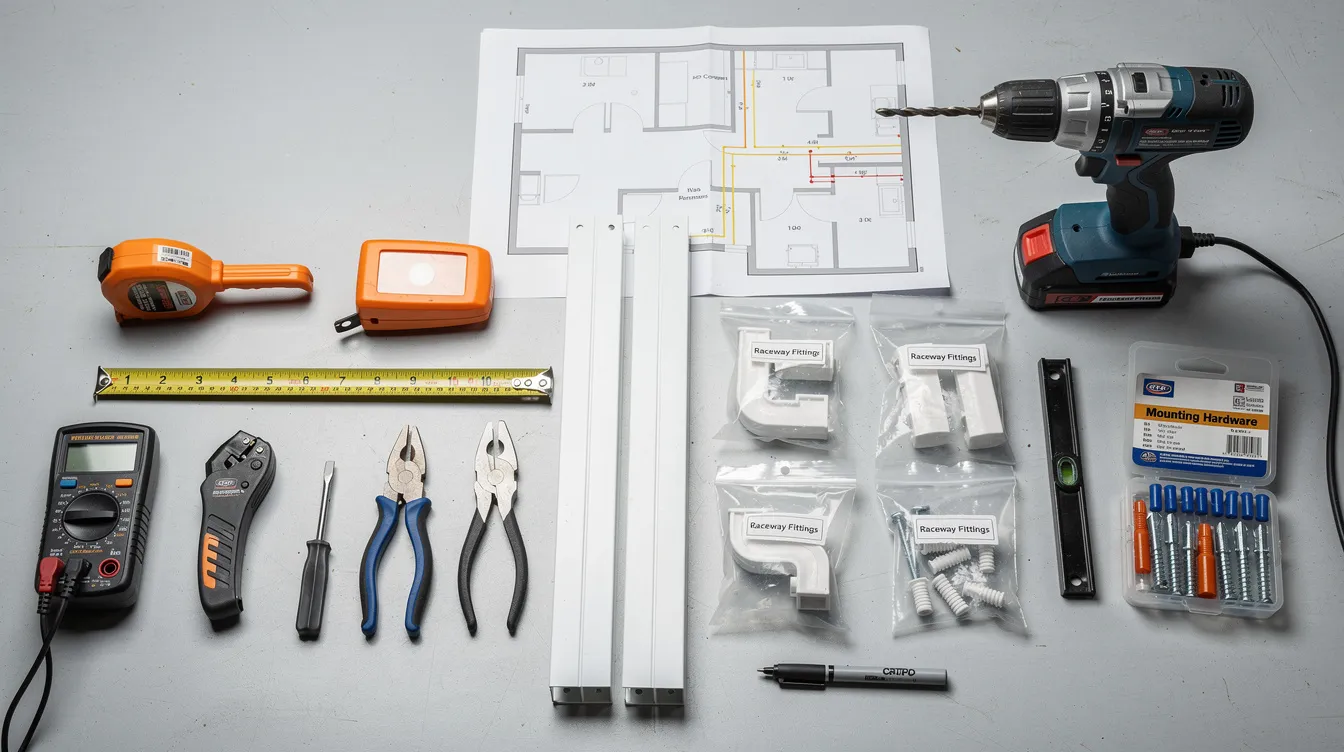
This section provides a step-by-step overview for competent DIYers and professional installers. It does not substitute for licensed electrical work where required by local codes.
Essential tools:
- Tape measure and level
- Stud finder and metal detector
- Fine-tooth saw or snips
- Drill with appropriate bits
- Anchors and fasteners (diamond point staples, barbed staples, or screws)
- Safety glasses and work gloves
Disconnect power and follow safety protocols when routing any cabling associated with electrical circuits. Available diamond point staples with square shank designs provide secure mounting for many raceway systems.
Final Part
Wire plastic molding is one of those manufacturing solutions that quietly does a lot of heavy lifting across a huge range of industries and applications.
It protects wiring, reduces weight, simplifies assembly, and enables the creation of complex components that would be difficult or impossible to produce any other way.
Whether you’re specifying cable management systems for a commercial building, designing wire harnesses for an automotive application, or sourcing custom molded components for medical or industrial equipment, understanding the principles behind wire plastic molding will help you make better decisions at every stage.
Choose the right materials, plan your layout carefully, build in strain relief, and work with suppliers who take quality seriously — and you’ll get results that last.