
When something gets dropped, knocked, or hit, the material it’s made from determines whether it survives or breaks. That’s where impact resistant plastics come in.
These plastics improve safety by lowering the force of impacts and spreading energy across the material — which is exactly why they show up in everything from bulletproof glass and riot shields to children’s toys and hot coffee cups.
In this guide, we’ll break down what makes a plastic impact resistant, walk through the most commonly used impact resistant materials, and help you figure out which one is right for your next project.
What Makes a Plastic Impact Resistant?
Not all plastics handle physical stress the same way. Regular plastics, like standard polystyrene, tend to fail through brittle fracture — meaning they crack or shatter suddenly when force is applied.
Impact resistant plastics, on the other hand, are designed for ductile failure, which means they bend, flex, or deform rather than breaking apart.
This ability to absorb and spread energy is what makes them so useful in demanding applications.
Much of a polymer’s strength or toughness comes down to its glass transition temperature (Tg) and whether it’s amorphous or semi-crystalline in structure. The Tg is the point at which a plastic shifts from a hard, glassy state to a softer, more flexible one.
Materials with a lower Tg tend to stay tougher at low temperatures, while those with a higher Tg can handle elevated temperatures without losing their shape.
It’s also worth understanding that strength and toughness are often contradictory. Greater strength usually means a higher level of brittleness — the opposite of impact resistance.
So when choosing impact resistant materials, you’re often balancing these two properties depending on what your application needs most.
Impact resistant plastics often feature longer polymer chains or copolymers that contribute to their flexibility and toughness, and many of them are highly resistant to UV degradation, flame resistance, and high stiffness — making them reliable across various industries.
Factors That Affect Impact Resistance
Before diving into specific materials, it helps to understand that a material’s impact resistance isn’t fixed. Several factors can change how well a plastic performs under impact in the real world.
Temperature plays a big role. Plastics generally become more brittle at low temperatures and tougher at high temperatures. This means a material that performs well at room temperature might crack under the same impact in freezing conditions. Prolonged exposure to elevated temperatures and UV light tends to decrease a plastic’s toughness over time, so outdoor applications require extra attention to material selection.
Part geometry also matters more than people often realize. Sharp internal corners create stress concentrations that can lead to breakage, even in otherwise tough materials. Round corners tend to enhance durability and help distribute impact forces more evenly across the part.
UV light exposure is another factor to consider. Prolonged exposure to UV light can decrease a plastic’s toughness and impact resistance, especially for materials without built-in UV stabilizers.
Choosing the right material from the beginning can extend the service life of a part and prevent part failure down the line — so it’s worth taking these factors seriously before committing to a material.
The Most Common Impact Resistant Plastics
There are several impact resistant plastics widely used across industries today. Each has its own strengths, limitations, and ideal use cases. Here’s a rundown of the most important ones.
Acrylonitrile Butadiene Styrene (ABS)
Acrylonitrile butadiene styrene (ABS) is known for its high impact resistance and mid-range cost, making it a popular choice in many different manufacturing industries.
It’s one of the most commonly used impact resistant plastics out there, and for good reason — it’s tough, easy to process, and relatively affordable compared to more expensive engineering polymers.
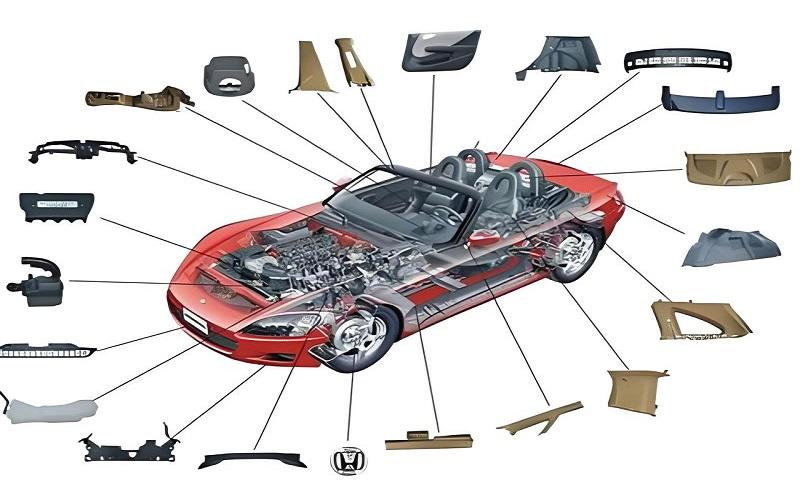
ABS is commonly found in automotive parts like instrument panels, power tools, tool housings, electrical connectors, and even children’s toys.
It handles physical stress well and offers good dimensional stability, which means it holds its shape reliably during production and use.
One thing worth knowing: the temperature at which ABS is manufactured affects its final properties, with lower temperatures during production yielding more impact resistance.
ABS does have some limitations though — it has limited hydrolysis resistance and can be weakened by organic solvents, so it’s not the best choice for every environment.
High-Density Polyethylene (HDPE)
High-density polyethylene (HDPE) is a durable, versatile thermoplastic that offers fantastic impact resistance and tensile strength.
It’s a semi-crystalline material with a high strength-to-density ratio and excellent chemical resistance, making it a reliable workhorse across a huge range of industrial applications.
HDPE is utilized in applications such as chemical tanks, marine construction, and outdoor furniture due to its excellent impact resistance and tensile strength.
It’s also widely used for gas tanks, pipes, and other components that need to resist cracking under stress. Its low cost and low coefficient of thermal expansion make it an attractive option when budget matters.
On the downside, HDPE can be susceptible to stress cracking under certain conditions, and it has limited resistance to UV light without additives.
It’s also difficult to bond with adhesives, which can complicate assembly in some applications.
Polycarbonate (PC)
Polycarbonate (PC) is an incredibly tough plastic that can be made transparent, like glass, and is a common glass alternative when high impact resistance is necessary.
Its optical clarity combined with outstanding toughness makes it unique among impact resistant plastics — very few other materials can offer both at the same time.
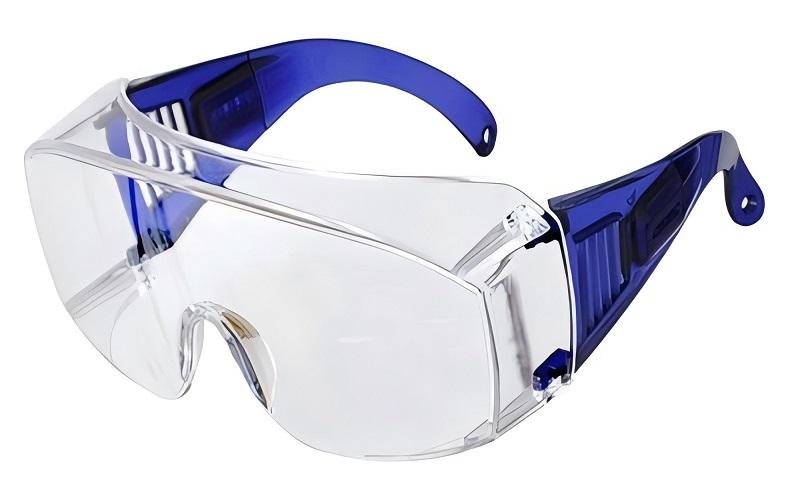
PC is frequently used in applications requiring high impact resistance, such as safety goggles, face shields, helmets, riot shields, bulletproof glass, and architectural glazing.
It also performs well in medical applications because it can withstand repeated steam sterilizations without degrading.
Polycarbonate does have some drawbacks.
It can be scratch resistant to a degree, but it’s not as scratch resistant as glass. It also has limited resistance to organic solvents and can be more expensive than other plastics.
That said, for applications where optical clarity and incredible toughness are both required, PC is often the only material that fits the bill.
Polyamide-Imide (PAI)
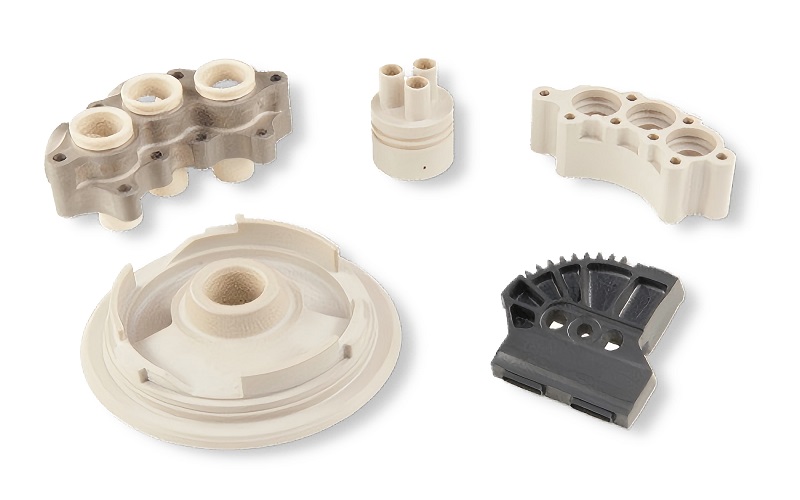
Polyamide-imide (PAI) is an extremely tough, strong, and stiff plastic that is also incredibly durable and has good chemical resistance. It sits at the high end of the performance spectrum — one of the more expensive engineering polymers available — but it earns its price in the most demanding industrial applications.
PAI is used in demanding applications like bearings, bushings, valve parts, and semiconductor machinery due to its toughness and high compressive strength.
It can resist bending and deformation even at elevated temperatures, and it offers excellent fatigue resistance for parts that are put under repeated stress cycles.
PAI also provides good electrical grade insulation properties, which makes it useful for electrical connectors and other electrical components.
If your application involves extreme conditions — high temperatures, heavy loads, or aggressive chemicals — PAI is worth considering despite its higher cost.
High Impact Polystyrene (HIPS)
High impact polystyrene (HIPS) boasts high impact resistance and fatigue resistance, making it suitable for various applications.
It’s essentially standard polystyrene that has been modified with rubber to give it much better toughness, and it’s commonly found in consumer goods, electronics, and food storage components.
HIPS is a cost-effective option for interior applications and food and beverage applications where high impact resistance is needed but extreme conditions aren’t a concern.
It’s easy to machine, paint, and glue, which makes it popular for prototyping and consumer product manufacturing.
Its main limitations are lower heat resistance compared to other impact resistant plastics and reduced performance when exposed to UV light or outdoor conditions over time.
For indoor, lower-stress applications though, HIPS offers good impact resistance at a very accessible price point.
How to Choose the Right Impact Resistant Plastic?
With so many options available, picking the right material comes down to matching the plastic’s properties to the demands of your specific application. Here are the key questions to ask:
What temperatures will the part face? If your application involves high temperatures, you’ll need a material with good heat resistance, like PAI or PC. For low temperature environments, check the material’s performance at cold conditions — some plastics become brittle faster than others.
Will it be exposed to UV light or outdoor conditions? For outdoor applications like outdoor furniture or marine construction, you need a material with good UV resistance or one that can be stabilized with additives. HDPE with UV stabilizers is a popular choice here.
Does it need to be transparent? If optical clarity is required — for face shields, instrument panels, or safety glazing — polycarbonate is usually the go-to choice.
What chemicals will it come into contact with? Chemical resistance varies widely between different materials. HDPE handles a broad range of chemicals well, while ABS can be weakened by organic solvents. Always check chemical compatibility for your specific environment.
What’s your budget? There’s a big cost range across impact resistant plastics. ABS and HDPE are low cost options that cover a wide range of applications. Polycarbonate sits in the mid range, while PAI and other expensive engineering polymers are reserved for the most demanding industrial applications where their superior properties justify the investment.
What does the part geometry look like? Remember that sharp corners reduce impact resistance regardless of material. If your design includes sharp internal corners, switching to round corners can make a meaningful difference in durability — especially under repeated physical stress.
Applications Across Industries
Impact resistant plastics are used across various industries to ensure reliability and safety in operation. Here’s a quick look at where these materials show up most often.
Automotive Industry
ABS is everywhere — instrument panels, interior trims, housings for power tools ,other appliances and other electrical connectors.
HDPE is used for gas tanks and chemical tanks.
Both materials are significantly lighter than metal or glass, which helps improve fuel efficiency in vehicles.
Medical Applications
polycarbonate is widely used for face shields, medical device housings, and components that need to withstand repeated steam sterilizations. Its combination of optical clarity and incredible toughness makes it hard to replace in this space.
Industrial and Manufacturing Settings
PAI handles the most demanding jobs — semiconductor machinery, valve parts, bearings, and bushings that need to resist bending and deformation under heavy loads and high temperatures.
Consumer Goods and Food and Beverage Applications
HIPS and HDPE are commonly found in food storage components, packaging, and everyday products. Both are food-safe and offer good impact resistance at accessible price points.
Outdoor and Marine Construction
HDPE is a standout choice thanks to its excellent tensile strength, chemical resistance, and ability to hold up against moisture and environmental stress over a long service life.
Conclusion
Impact resistant plastics resist cracking or breaking in demanding applications — and they do it while being lighter, more flexible in design, and often more cost effective than metal or glass alternatives.
Impact-resistant plastics can be molded into complex shapes, providing design flexibility that rigid materials simply can’t match.
The key takeaway is that there’s no single best impact resistant plastic for every situation. ABS, HDPE, PC, PAI, and HIPS each have their own strengths, and the right choice depends on your specific temperature range, chemical exposure, budget, and design requirements.
Material selection is crucial for extending the service life of a part and preventing future part failure — so take the time to evaluate your options carefully before moving forward.
Whether you’re building riot shields or hot coffee cups, the right impact resistant plastic is out there. Understanding your application’s demands is the first step to finding it.