
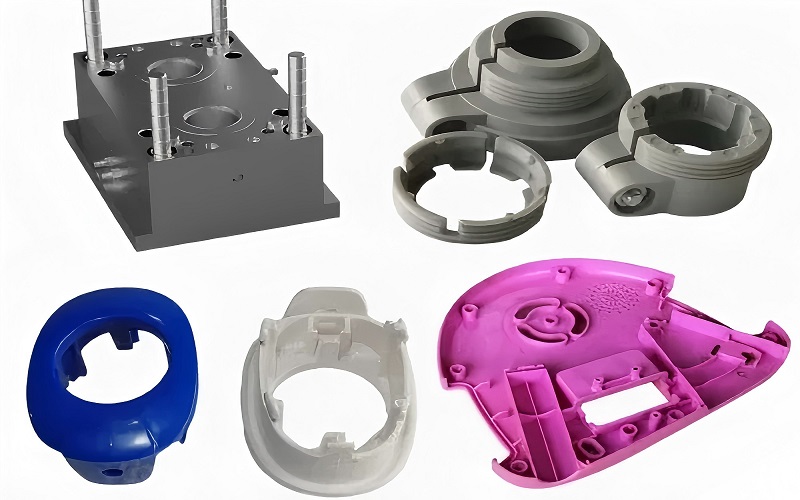
When a part needs to flex, stretch, resist chemicals, and still come back for more — most plastics simply can’t deliver.
That’s where TPU injection molding earns its reputation.
Thermoplastic polyurethane, or TPU, sits in a unique space between rigid plastics and rubber, offering a combination of physical properties that very few other materials can match.
If you’re a manufacturer trying to produce durable parts that need to perform in harsh conditions, understanding what TPU brings to the table is worth your time.
Introduction to TPU Injection Molding
TPU stands for thermoplastic polyurethane — a type of thermoplastic elastomer that behaves like rubber during use but processes like a plastic during manufacturing.
Unlike traditional thermoset rubbers, TPU does not require vulcanization, which simplifies and speeds up the production cycle considerably.
That means manufacturers can run it through standard injection molding equipment, produce complex TPU parts at scale, and still get rubber-like performance in the finished product.
Thermoplastic urethane can be formulated to range from soft, rubber-like durometers all the way to semi-rigid states, depending on the shore hardness grade selected.
That adjustability is one of the reasons TPU material is so widely used — the same base polymer can be tuned to suit completely different applications just by choosing the right grade.
As a thermoplastic, TPU can also be re-melted and reused, making it a more eco-friendly choice compared to thermoset rubbers or silicone.
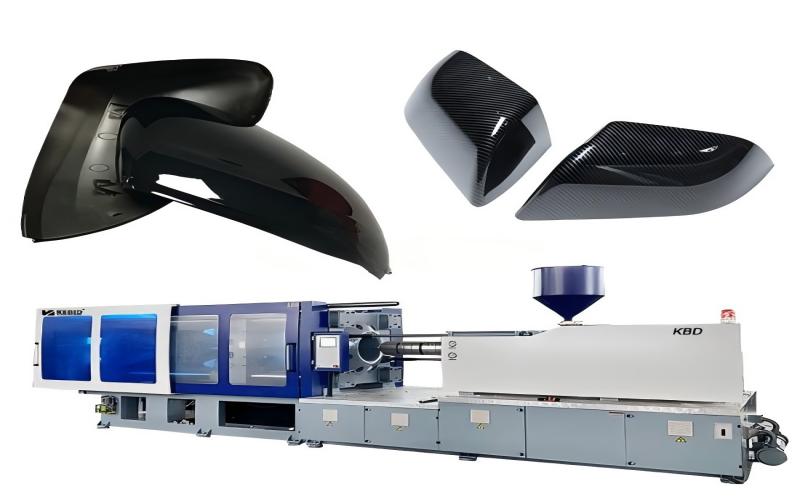
The Key Benefits of TPU Injection Molding
TPU injection molding is a popular choice across a wide variety of sectors—including sporting goods, medical devices, and automotive components—where engineers must meet specific requirements for performance and durability.
This popularity is no accident.
Manufacturers are ready to utilize TPU because of a unique set of physical properties and performance advantages that make it genuinely hard to replace in the right application.
Here is what they consistently value most.
Exceptional Flexibility and Elasticity
One of the most important properties of TPU is its elasticity.
TPU has high tensile strength and can stretch significantly — up to 600% or more — before returning to its original shape.
Unlike many plastics that deform permanently under stress, TPU can be stretched repeatedly and still bounce back.
This makes it ideal for parts subjected to repeated flexing, bending, or impact where a rigid plastic would crack and a standard rubber might degrade over time.
This elasticity also makes TPU parts well suited for seals, gaskets, tubing, and any application where the part needs to maintain a tight fit under dynamic conditions.
The combination of high tensile strength and flexibility is genuinely rare in the world of thermoplastics, and it’s a core reason why manufacturers across automotive, medical, and consumer products sectors continue to choose TPU injection molding over other manufacturing methods.
Outstanding Abrasion and Wear Resistance
TPU offers superior abrasion resistance, tear resistance, and wear resistance compared to many other flexible materials.
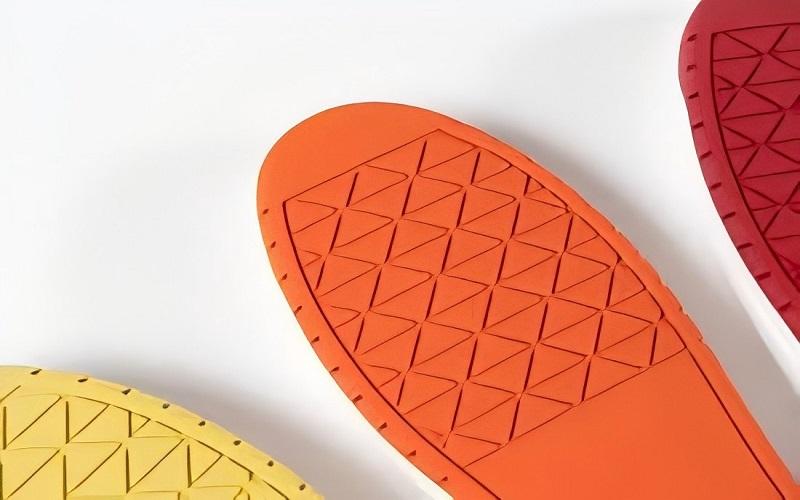
For parts that slide, rub, or contact abrasive surfaces repeatedly — think conveyor components, shoe soles, cable jackets, and industrial rollers — that durability translates directly into longer service life and lower replacement costs.
TPU provides exceptional resistance to wear, tearing, and repeated mechanical stress, making it a durable material choice for demanding industrial and consumer applications alike.
This level of toughness is one of the reasons TPU injection molding is so widely used in sporting goods.
From ski boots and roller blade frames to protective padding and flexible straps, the wear resistance and toughness of TPU parts hold up in ways that softer thermoplastics or standard rubber compounds simply don’t.
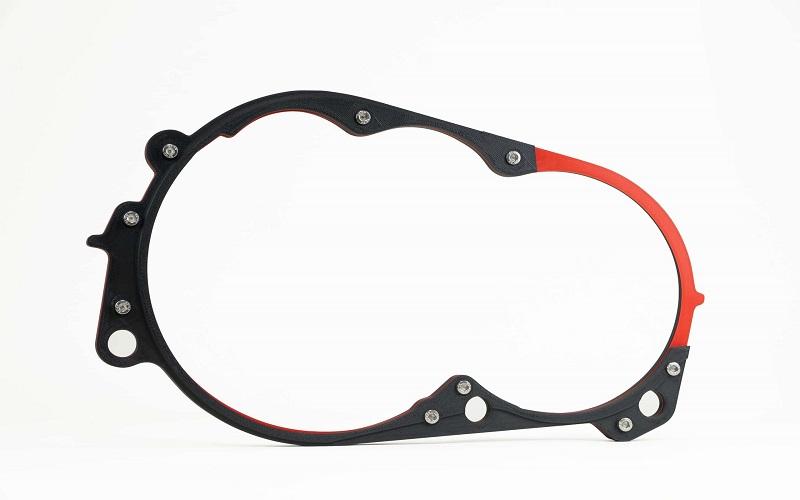
Chemical Resistance and Performance in Harsh Conditions
TPU is utilized in applications that demand resistance to water, fuel, and chemicals, making it ideal for various industrial uses.
TPU is highly resistant to a broad range of chemicals — including oils, greases, many solvents, and fuels — which means TPU injection molded parts perform reliably in automotive and industrial environments where chemical exposure is routine.
Seals, hoses, protective boots, and fuel system components are all common applications where this property makes TPU the material of choice.
Beyond chemical resistance, TPU can maintain flexibility at low temperatures — down to -40°C — and resists UV radiation and weathering.
That combination of cold-temperature flexibility and outdoor durability makes it suitable for applications in harsh conditions that would degrade other materials quickly.
Whether the end product is exposed to freezing temperatures, direct sunlight, or aggressive cleaning chemicals, TPU material holds its performance across a wide range of environments.
Design Flexibility and Co-Molding Capability
TPU can be co-moulded with rigid plastics to create soft-touch handles or protective coatings—a property that opens up a wide range of possibilities for product design.
Overmoulding TPU onto rigid substrates is a common process in the manufacture of consumer goods, medical devices and tools, enabling these products to offer a comfortable grip or a protective outer layer without the need for additional assembly steps.
TPU can also be produced in clear and transparent grades, and it’s easily painted or colored for consumer products where aesthetics matter alongside performance.
That visual flexibility, combined with the ability to adjust shore hardness grades from soft rubber to near-rigid plastic, gives designers and manufacturers an unusually wide range of options from a single material family.
When choosing materials for a new project, that versatility often makes TPU the most practical choice for parts that need to meet multiple requirements at once.
Common Applications of TPU Injection Molding
The range of industries that rely on TPU injection molding reflects just how broad its performance envelope is.
In automotive manufacturing, TPU parts are commonly found in seals, gaskets, flexible connectors, protective boots over joints, and interior trim components where a soft-touch feel is required.
The combination of chemical resistance, flexibility, and durability makes it well suited for under-hood and underbody applications that face harsh conditions every day.
In medical devices, TPU’s biocompatibility — depending on the specific grade — makes it suitable for tubing, catheters, flexible enclosures, and wearable device components.
The ability to sterilize TPU parts and its resistance to a wide range of medical chemicals adds to its value in this demanding sector.
For manufacturers producing medical components that need to flex, seal, and resist aggressive cleaning agents, TPU injection molding delivers results that few other materials can offer.
Sporting goods represent another major application area.
TPU injection molding produces components ranging from flexible ski boot buckles and inline skate frames to protective padding and flexible shoe components.
The toughness, abrasion resistance, and elasticity of TPU parts hold up under the kind of repeated mechanical stress that sporting equipment faces in real use.
Consumer products — including toys, protective cases, tool grips, and wearable accessories — also commonly use TPU injection molding when the product needs to be both durable and pleasant to handle.
The soft-touch surface, scratch resistance, and color flexibility of TPU make it a popular choice for manufacturers trying to differentiate their products on both performance and feel.
Processing Requirements and Challenges
TPU processing for injection molding involves several steps and requires specialized knowledge to get the best results.
Getting the correct temperature settings for both the barrel and the mold is critical — TPU is sensitive to temperature and residence time during processing, and overheating leads to material degradation.
Precise barrel and mold temperatures are essential for consistent melting and to avoid shrinkage or surface defects in the finished parts.
One processing challenge that manufacturers need to note is that TPU is hygroscopic — it absorbs water from the air — and requires thorough drying before molding to prevent bubbles, splay marks, or weakened parts.
A well-managed drying process is a non-negotiable part of TPU injection molding preparation.
TPU’s natural tackiness can also make demolding difficult, which means using rounded corners, draft angles, and in some cases specialized ejection strategies in the mold design.
Dimensional instability can occur due to post-ejection relaxation, so accounting for this in the mold design and part tolerances is important for achieving consistent results.
The mechanical properties of TPU can vary significantly by material grade, which means careful selection and testing are required before committing to full production.
These challenges are manageable with the right manufacturing setup and expertise — but they do mean that TPU injection molding isn’t a drop-in replacement for standard thermoplastics without the appropriate process adjustments.
Is TPU Injection Molding Right for Your Project?
TPU injection molding is best suited for applications that require the elasticity of rubber combined with high tear strength, durability in harsh conditions, and the processing advantages of a thermoplastic.
If your project involves parts that need to flex repeatedly, resist chemicals or abrasion, perform across a wide temperature range, or combine soft and rigid materials in a single component — TPU is worth serious consideration.
One disadvantage worth noting is that TPU can be more expensive compared to other materials like ABS or HDPE, which may limit its use in cost-sensitive applications.
For projects where cost is the primary driver and performance requirements are modest, other thermoplastics may offer better value.
But for manufacturers who need durable parts that genuinely perform under pressure, the cost is typically justified by the extended service life and reduced failure rates that TPU delivers.
Once you’ve uploaded your part design and applied the correct material specifications, working with a manufacturer to evaluate whether TPU or a standard TPE better suits your project becomes a much more straightforward conversation.
Conclusion
TPU injection molding offers a combination of flexibility, toughness, chemical resistance, and design versatility that makes it one of the most capable materials in the injection molding toolkit.
From automotive seals and medical devices to sporting goods and consumer products, the range of applications reflects just how well this durable material performs across different industries and environments.
If your production requirements call for parts that need to stretch, resist, and endure — TPU injection molding is a choice worth getting a quote on.