
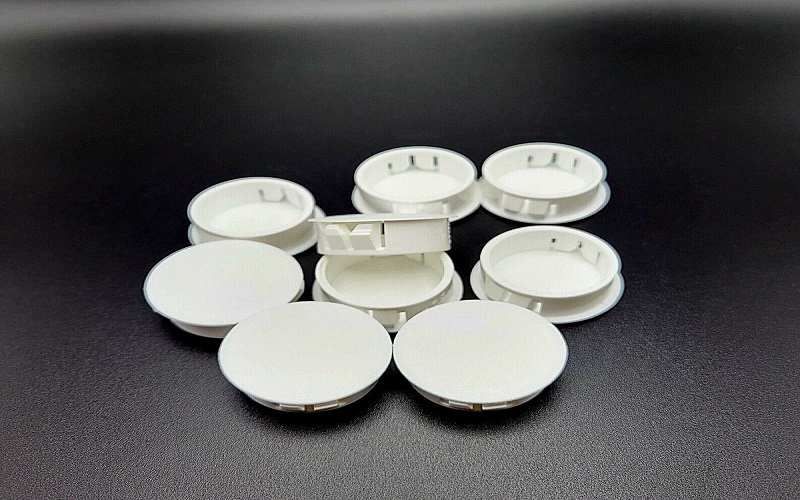
Nylon is everywhere. It’s in your workout clothes, your toothbrush bristles, your backpack, your home textiles, and your food packaging. Nylon is a type of plastic and a synthetic material, made from petroleum through a chemical process.
As one of the most widely used plastics and synthetic materials in the world, nylon has become so embedded in daily life that most people never stop to ask whether it’s actually safe.
So is nylon plastic toxic?
The answer depends a lot on how it’s made, how it’s used, and what chemical treatments have been applied along the way.
This guide breaks down what the research shows about nylon toxicity, the real health concerns worth knowing about, and what you can do to reduce your exposure if it matters to you.
What Is Nylon and How Is It Made?
Nylon is a synthetic polymer made from petroleum, and its production is energy-intensive, contributing to environmental pollution and greenhouse gas emissions.
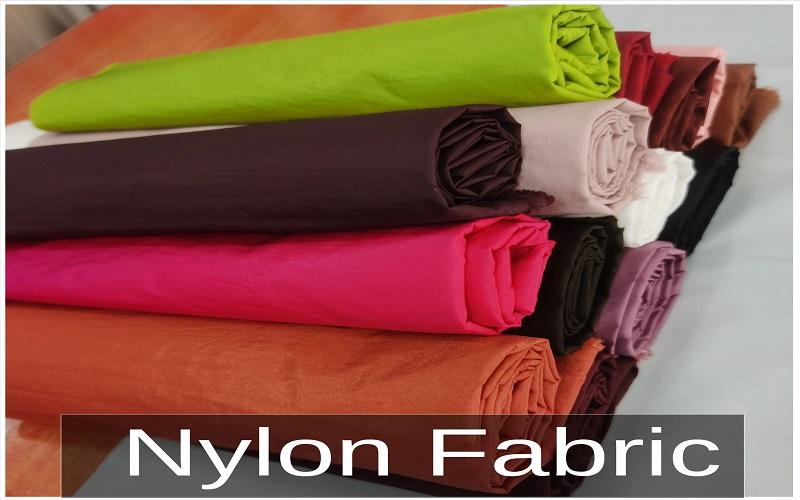
It was developed in the 1930s as a synthetic alternative to silk and natural fibers, and it quickly found applications across clothing, industrial components, and consumer goods because of its strength, durability, and naturally water resistant properties.
The manufacturing process for nylon involves a series of chemical reactions that transform petroleum-based raw materials into long polymer chains.
Those chains are then spun into nylon fibers, woven or knitted into fabric, and treated with various chemicals — dyes, flame retardants, antimicrobial treatments, and finishing agents — before they reach the finished products you buy.
Each of those steps introduces potential chemical content that can affect the final product’s safety profile, which is why two nylon items can have very different health implications depending on how they were produced.
Is Nylon Toxic to Human Health?
Nylon in its base form — the raw polymer chain — is generally considered chemically stable and not acutely toxic.
The health concern with nylon isn’t usually the polymer itself but the chemicals added during manufacturing and the physical effects of synthetic fibers on skin and the respiratory system.
Direct skin contact with nylon, especially in items like underwear, tights, and base layers, can increase the risk of skin irritation and chemical exposure due to mechanical friction or chemical residues.
Understanding where the real risks sit helps separate genuine concerns from overclaiming.
Skin Irritation and Allergic Reactions
Some individuals experience skin irritation from nylon clothing, particularly in areas where the fabric creates friction or traps moisture and sweat, which can exacerbate conditions like eczema or dermatitis.
Nylon fabric doesn’t breathe the way natural fabrics like cotton, wool, or linen do — it traps heat, moisture, and sweat against the skin, creating conditions that irritate sensitive skin over time.
For items worn directly against the body — base layers, underwear, activewear — sweat and direct skin contact combined with lack of breathability increase the risk of irritation for anyone with skin sensitivity.
Beyond physical friction and moisture, certain dyes and chemical treatments used in nylon production can leach from the fabric, potentially causing allergic reactions or other health concerns, especially when the fabric is new or exposed to moisture and heat.
Azo dyes — a class of synthetic dyes widely used in nylon clothing and other synthetic fabrics — have raised particular concern because some azo dyes can break down under heat and moisture to release aromatic amines that are classified as potentially carcinogenic.
Chemical residues from antimicrobial treatments, flame retardants, and finishing agents represent additional categories of chemicals that can remain in the fabric and transfer to the skin during wear.
Respiratory Irritation and VOC Exposure
Nylon can release volatile organic compounds during use, particularly from additives and treatments, which may cause respiratory irritation or allergic reactions in sensitive individuals.
This is most relevant for nylon products used in enclosed spaces — carpeting, upholstery, home textiles — where VOC off-gassing can accumulate in indoor air over time.
New nylon products tend to off-gas more heavily, which is why that distinctive synthetic smell of new clothing or carpeting is worth taking seriously rather than dismissing.
For most healthy adults, the VOC levels released by typical nylon products under normal conditions are unlikely to cause serious health effects.
But for individuals with existing respiratory conditions or chemical sensitivities, even trace amounts of VOCs in enclosed spaces can trigger respiratory irritation and allergic reactions.
Good ventilation when using new nylon products — particularly carpets, rugs, and upholstered items — is a straightforward precaution.
Heavy Metals and Forever Chemicals
Some nylon products are treated with heavy metals as part of dyeing or finishing processes, and these can remain as harmful residues in the final product.
PFAS — often called forever chemicals — are used to create water resistant finishes on nylon clothing and gear, and they have attracted significant regulatory attention due to their persistence in the environment and human body and their association with various health effects.
Brands producing outdoor and activewear have faced increasing pressure to eliminate PFAS from water resistant treatments, and regulatory restrictions on these chemicals are tightening in multiple markets.
Microplastic Shedding From Nylon
One of the most significant health and environmental concerns with nylon isn’t what it does to your skin — it’s what happens during every wash cycle.
Nylon sheds substantial amounts of microplastics during washing, with a single garment potentially releasing hundreds of thousands of microfibers, which can enter ecosystems and the food chain.
Those tiny plastic fibers pass through standard wastewater treatment and end up in waterways, where they’re ingested by marine life and eventually work their way up the food chain — including into the food humans eat.
The health effects of microplastic ingestion are still being actively researched, but the presence of microplastics in human blood, lung tissue, and digestive systems has been confirmed in multiple studies.
The concern isn’t just environmental impact — it’s a direct human health question about what chronic low-level exposure to microplastics does over time.
Microplastic shedding from synthetic fabrics like nylon and polyester is now considered one of the primary sources of microplastic pollution in aquatic environments, which makes this a systemic concern that goes well beyond individual health choices.
Recycled Nylon Plastics
Recycled nylon — made from reclaimed materials like fishing nets and industrial waste — is a more sustainable option that maintains similar properties to virgin nylon, though it stifabricll raises concerns about microplastic shedding.
The appeal of recycled nylon is real: it reduces reliance on petroleum-based raw materials, diverts industrial waste and marine debris from landfills and oceans, and has a lower carbon footprint than virgin nylon production.
However, recycled nylon, while reducing some environmental impact by using pre-consumer and post-consumer waste, still produces microplastics and requires dyeing processes similar to virgin nylon, which can involve harmful chemicals.
The chemical treatments applied during dyeing and finishing recycled nylon aren’t meaningfully different from those used on virgin nylon, so from a skin contact and chemical residue perspective, the health profile is similar.
Recycled nylon is a better environmental choice, but it isn’t a toxicity-free one.

Alternative Fabrics for Sensitive Skin
If you have sensitive skin or are prone to skin irritation, natural fibers can be a gentler alternative to nylon fabric.
Materials like merino wool, cotton, and linen are known for their breathability and moisture-wicking properties, helping to keep your skin dry and comfortable throughout the day.
Merino wool, in particular, stands out for its buttery soft texture, natural temperature regulation, and antimicrobial qualities, making it a favorite for base layers and items worn directly against the skin.
Natural fibers are less likely to cause allergic reactions or trap heat and moisture, which can be a concern with synthetic materials.
What OEKO-TEX Certification Tells You
For consumers who want to reduce exposure to harmful chemicals in nylon products, OEKO-TEX certification is the most reliable third-party standard to look for.
OEKO-TEX certified nylon is safe for skin contact, as it tests for over 1,000 harmful substances, including phthalates, heavy metals, and formaldehyde.
OEKO-TEX Standard 100 is a globally recognized certification that evaluates the final, ready-to-wear textile, covering all fabric components — not just the fiber itself. That means the dyes, additives, and finishing treatments are all assessed, not just the base nylon.
If you’re buying nylon items for sensitive skin or for children, looking for this certification is a practical and meaningful step.
How to assess the safety of nylon plastics?
If you have concerns about the safety of nylon in production or daily life, the following dimensions are key to assessment:
Authoritative Certifications: Whether for plastic parts or textiles, OEKO-TEX® Standard 100 or FDA certification is the gold standard for proving the absence of harmful chemicals.
Temperature Limitations: Understand the maximum operating temperature of specific nylon grades (such as Nylon 6 or Nylon 66). Avoid prolonged exposure of non-specialized heat-resistant nylons to high temperatures to prevent chemical reactions that could lead to the release of toxic substances.
Alternatives: In scenarios with extremely high chemical sensitivity, consider using natural fabrics or more stable, high-performance polymers.
Conclusion
Returning to the original question: Is nylon plastic toxic?
In short, nylon products that have undergone rigorous testing and meet safety standards are safe for human use. The main risks lie in the potential presence of harmful residues in cheap, uncertified products, as well as the microplastic pollution they cause to the environment.
In our daily lives, we can reduce microplastic emissions by purchasing high-quality brands, prioritising natural fibres for base layers, and using laundry bags.
In this way, we can protect our wellbeing whilst enjoying the convenience of modern materials.