
If you’ve ever used a medical device, worn a smartwatch, or handled kitchenware that stays flexible in extreme heat, there’s a good chance liquid silicone rubber played a role.
Silicone rubber injection moulding is one of the most precise and versatile manufacturing processes available today — and understanding how it works, what it demands, and where it excels is the foundation for getting the best results from it.
Introduction to Silicone Rubber Injection Moulding
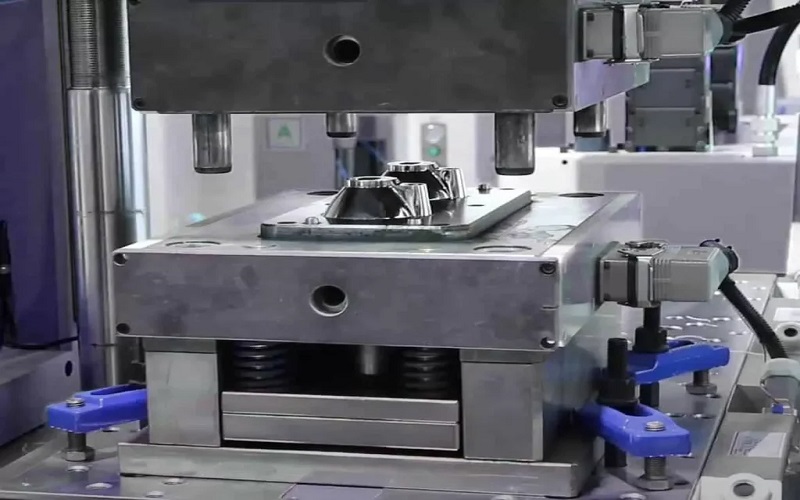
Silicone rubber injection moulding is a manufacturing process that injects liquid silicone rubber into a heated mold cavity where it cures into a finished component.
Unlike thermoplastic injection molding, which melts solid plastic granules and cools them into shape, silicone rubber moulding starts with a liquid material and uses heat to trigger a chemical curing reaction that permanently sets the part.
The result is a thermoset component with exceptional mechanical properties, chemical resistance, and thermal stability that thermoplastics simply cannot match.
The most advanced form of this process is Liquid Injection Molding (LIM), which allows for automated, high-volume production with cycle times measured in seconds.
LIM uses liquid silicone rubber (LSR) — an inorganic polymer made from silicon, oxygen, carbon, and hydrogen — with a siloxane backbone that provides excellent mechanical performance and strength across a wide range of applications.
How the LSR Injection Moulding Process Works
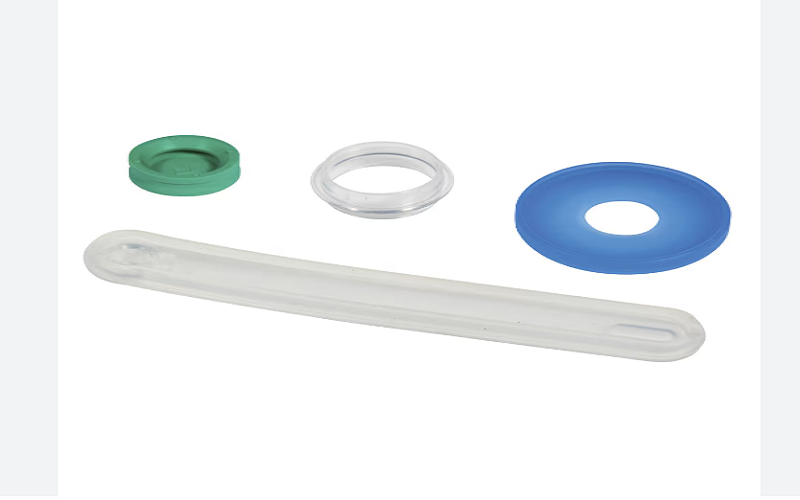
The LSR molding process follows a precise thermal and mechanical sequence that distinguishes it from every other rubber or plastic manufacturing method.
Material Feeding and Mixing
LSR arrives from the supplier in two separate supply drums — Component A, which contains the base polymer, and Component B, which contains the crosslinker and catalyst.
A metering system draws the two components in equal ratios and pumps them through a static mixer, where they are blended into a uniform compound.
Color pigmentation can be introduced at this stage for consistent color throughout the finished component.
The mixing process must be precise — any imbalance between the two components affects cure consistency and final mechanical properties.
Cold Runner Injection
Once mixed, the LSR compound is transferred to a cooled metering section of the injection molding machine for precise control of shot size.
Keeping the material cold at this stage is critical — the curing process begins immediately after the two components are mixed, requiring careful temperature control to prevent premature curing before the material enters the mold.
The cold runner system is one of LSR injection moulding’s key advantages: it limits the size of sprues and flash, virtually eliminating scrap compared to alternative rubber processes.
Thermal Curing and Ejection
The material is injected into a heated mold cavity at higher temperatures — typically between 150°C and 200°C — where the intense heat triggers a chemical vulcanization process that solidifies the silicone rapidly. Fast cure cycles associated with LSR injection molding can take as little as 30 seconds to 2 minutes, significantly reducing production time compared to traditional methods like compression molding. Once fully cured, the mold opens and the part is removed.
Because cured silicone is flexible and self-releasing, the mold design for LSR does not require ejector pins or complex mechanisms for part removal — the cured silicone can simply be peeled from the mold.
Key Properties of Liquid Silicone Rubber
LSR’s performance profile is what drives its adoption across demanding industries. Understanding these properties helps match the material to the right application.
Thermal Performance
Liquid silicone rubber can withstand extreme temperatures, ranging from -60°F to 400°F, maintaining its flexibility and elasticity under these conditions. This makes it ideal for automotive and industrial applications where components are exposed to harsh environments involving both high heat and freezing cold.
Unlike other elastomers that become brittle at lower temperatures or soften at higher temperatures, LSR maintains consistent mechanical properties across its entire operating range.
Chemical and Electrical Properties
Silicone rubber exhibits outstanding chemical resistance against a wide range of chemical solutions, body fluids, and environmental exposure. Its excellent insulating properties also make it a preferred material for electrical applications — LSR’s electrical properties remain stable across temperature changes, humidity, and UV exposure.
It resists bacteria growth and can withstand sterilization through steam autoclaving, e-beam, and gamma radiation, which is why it’s trusted in medical-grade environments.
Mechanical Properties
LSR has high tensile strength, good elongation, and excellent compression set resistance compared to other elastomers.
Its low viscosity in the liquid state allows it to flow into thin cross sections, tight radii, and complex geometries that would be difficult or impossible to fill with high consistency rubber or other materials.
Once fully cured, LSR parts maintain tight tolerances and dimensional stability across production runs.
The hardness range for LSR typically spans from Shore A 10 to Shore A 80, giving designers flexibility to specify the right stiffness for each application.
Biocompatibility
LSR has demonstrated superior compatibility with human tissue and body fluids, making it one of the few elastomers trusted for direct contact with patients.
It is biocompatible, resistant to bacteria growth, and can be sterilized through numerous other techniques beyond autoclaving, including e-beam and gamma radiation. This combination of properties is why LSR components are used in catheters, respiratory masks, surgical instruments, and drug delivery devices where extensive testing and regulatory compliance are required.
Tooling and Mold Design for Liquid Silicone Rubber Molding
Producing a quality, precision-molded LSR part begins with the tooling.
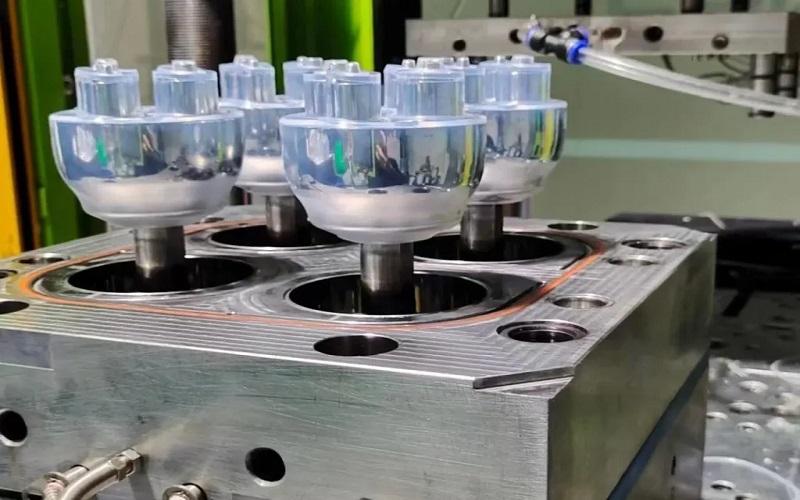
LSR molds are built using a combination of CNC milling and EDM (electrical-discharge machining) with high-quality hardened stainless steel, ensuring durability across high volume production cycles.
Simplified Mold Design
Liquid silicone rubber injection moulding tooling designs are simplified compared to thermoplastic injection molding because LSR flows readily into very thin cross sections, tight radii, and thick/thin features without requiring highly polished surfaces or draft angles.
This reduces tooling complexity and cost compared to rigid plastic molds that need smooth surfaces to release parts cleanly.
The absence of ejector pins further simplifies the mold design and reduces maintenance requirements over time.
Cold Runner Systems
The cold runner system used in LSR mold design is central to the process’s efficiency.
By keeping the feed channels cold while the cavity is heated, the cold runner prevents premature curing in the delivery system and allows the runner material to be reused or eliminated entirely.
This results in nearly zero material waste — a significant advantage over compression molding and transfer molding, where excess flash and runner waste are common.
Clamping Force and Shot Size
Clamping force requirements for LSR injection moulding depend on the part geometry, cavity pressure, and projected area of the mold.
LSR’s low viscosity means it can generate significant flash if clamping force is insufficient — precise control of both clamping force and injection rate is essential for producing flash-free parts.
Shot size is controlled through the metering system, which ensures consistent delivery of material to the mold cavity on every cycle.
LSR Injection Moulding vs Other Manufacturing Processes
Silicone rubber injection moulding presents distinct trade-offs compared to traditional manufacturing techniques.
| Factor | LSR Injection Moulding | Compression Moulding | Thermoplastic Injection Molding |
| Cycle time | 30 sec–2 min | Several minutes | Seconds to minutes |
| Material waste | Near zero (cold runner) | High (flash) | Low–moderate |
| Automation | Fully automated | Manual/semi-auto | Fully automated |
| Tooling cost | High | Lower | Moderate–high |
| Part complexity | High (thin walls, tight radii) | Limited | High |
| Temperature range | -60°F to 400°F | Similar | Lower range |
| Recyclability | No (thermoset) | No (thermoset) | Yes (thermoplastic) |
| Medical grade | Yes | Possible | Limited |
Compression molding uses simpler tooling and lower setup costs, but produces more flash, requires more labor, and is slower to scale.
Thermoplastic injection molding handles rigid parts efficiently but cannot replicate LSR’s flexibility, biocompatibility, or thermal performance.
For high volume, high precision flexible components — particularly in medical and automotive applications — LSR injection moulding is the superior choice.
Applications of Silicone Rubber Injection Moulding
LSR’s unique combination of properties has made it indispensable across several demanding industries.
Medical Applications
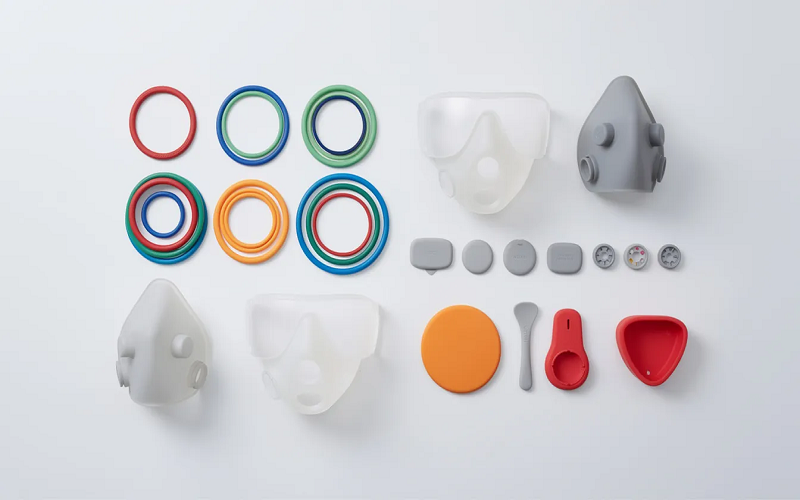
LSR is widely used in the medical industry for applications such as respirator masks, surgical instruments, catheters, and drug delivery devices due to its biocompatibility and stability in demanding environments.
Its resistance to body fluids, ability to withstand steam autoclaving, and demonstrated superior compatibility with human tissue make it one of very few materials trusted for implantable and patient-contact components.
Enclosed, hands-free automation in silicone injection moulding isolates the raw material from open air, making it ideal for medical-grade and food-safe components that require contamination-free production.
Automotive Applications
In the automotive sector, LSR is used for components like wire harness seals, gaskets, vibration dampeners, O-rings, spark plug boots, and high-heat engine components. LSR’s ability to withstand extreme temperatures and harsh environments — including exposure to fuels, oils, and UV light — makes it reliable for under-hood and exterior automotive applications where other elastomers would degrade over time.
Consumer Products
LSR is commonly applied in consumer products including kitchenware, personal hygiene items, and baby products, due to its durability, flexibility, and ability to create watertight seals.
Its food-safe certification and ability to maintain properties through repeated dishwasher cycles make it a preferred material for bakeware, spatulas, and bottle seals.
Industrial and Electrical Applications
Industrial applications of LSR include components for safety devices like smoke detectors and gas water heaters, where chemical resistance and high-temperature performance are critical.
For electrical applications, LSR’s excellent insulating properties and stable electrical properties across temperature and humidity ranges make it a reliable choice for connectors, insulators, and sealing components in demanding environments.
Advantages of LSR Injection Moulding
Fully automated systems in silicone injection moulding produce thousands of identical parts rapidly, significantly lowering the per-unit cost at scale.
The cold runner system virtually eliminates scrap. LSR’s low viscosity allows production of complex geometries, thin cross sections, and tight tolerances that other elastomers and plastics cannot achieve.
Its biocompatibility, chemical resistance, and extreme temperature range give it a performance envelope that justifies its use in the most demanding applications.
Limitations of LSR Injection Moulding
Silicone injection machines and precise custom molds are significantly more expensive to set up than equipment used for standard plastic injection or compression molding.
Once silicone rubber is heat-cured, it is a thermoset that cannot be recycled or reused — a consideration for sustainability-focused applications.
The injection process can also struggle with extremely sharp edges, often rounding off transitions that were intended to be crisp, which requires design adjustment during the tooling phase.
Conclusion
Silicone rubber injection moulding — and LSR injection moulding in particular — represents the highest level of precision, automation, and material performance in flexible component manufacturing.
Its ability to handle extreme temperatures, resist chemical solutions and body fluids, maintain tight tolerances across high volume production, and meet the strictest biocompatibility standards makes it the go-to process for medical, automotive, and industrial applications where other materials fall short.
The higher tooling and setup costs are justified by the process’s efficiency, near-zero waste, and the unmatched performance of the finished LSR components it produces.