
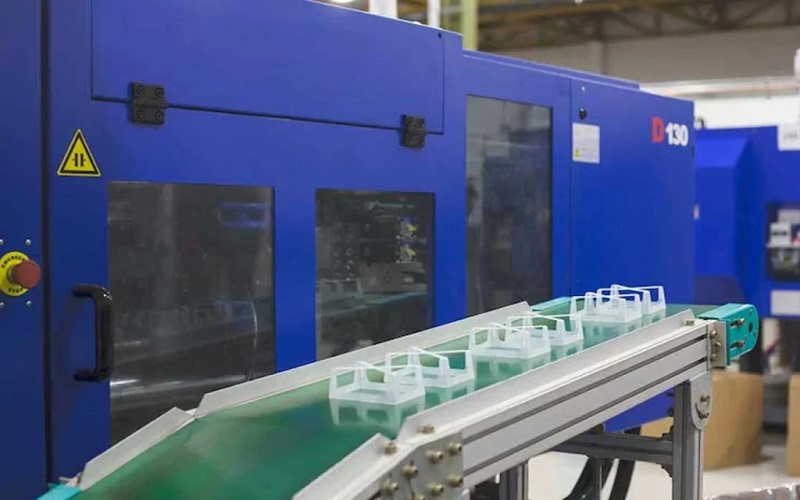
High density polyethylene is one of the most widely used plastics in the world — and for good reason.
HDPE injection molding combines low cost, excellent chemical resistance, and reliable mechanical properties into a manufacturing process that scales efficiently across consumer products, industrial products, and medical applications.
Whether you’re producing food storage containers, pipes, or complex parts for demanding environments, this guide covers everything you need to know about HDPE plastic and how to get the best results from the injection molding process.
What Is High-Density Polyethylene (HDPE)?
High density polyethylene (HDPE) is a thermoplastic polymer made from petroleum-derived ethylene monomers. Its tightly packed molecular structure gives it a density of approximately 0.96 g/cm³ and a high strength-to-density ratio that makes it both lightweight and tough.
As a commodity plastic, HDPE sits at the affordable end of the material spectrum — significantly less expensive than specialty plastics and polymer blends — which explains its widespread use across packaging, manufacturing, and industrial sectors.
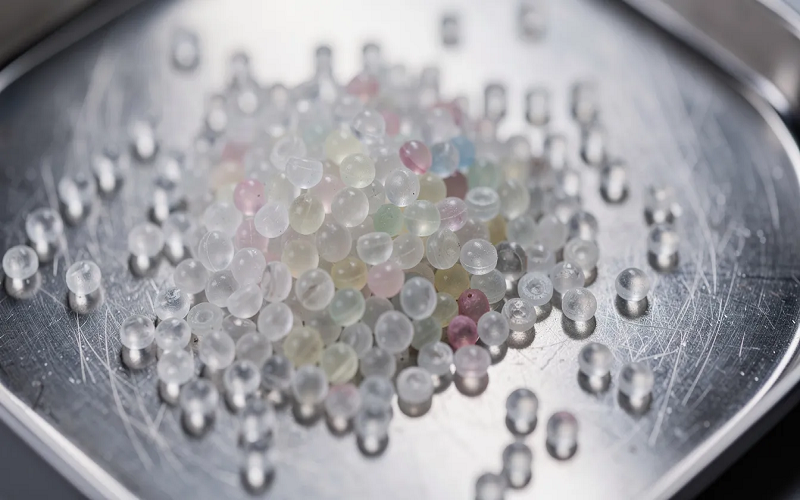
HDPE is classified as resin identification code #2, making it one of the most recyclable plastics available. It arrives at the injection molding machine in pellet form, melts cleanly within a well-defined processing window, and produces molded parts with consistent physical properties across high production volumes.
Its excellent processability on standard injection molding machines, combined with its broad application range, makes it a popular material for manufacturers looking for a cost effective and reliable plastic resin.
Key Physical and Mechanical Properties of HDPE Plastic
Understanding HDPE’s core properties is the foundation for making smart decisions in part design and processing.
Mechanical Strength and Impact Resistance
HDPE has high tensile strength and excellent impact resistance that hold up across a wide temperature range.
It retains structural integrity and resists cracking even in low temperatures down to -148°F, making it suitable for cold storage, outdoor applications, and environments where other plastics would become brittle.
Its mechanical properties also include good fatigue resistance under repeated loading — important for parts like milk crates and industrial containers that see constant use in demanding conditions.
Chemical Resistance
HDPE is known for its excellent chemical resistance, allowing it to withstand strong acids, bases, and reducing agents.
It resists moisture and holds up well against most solvents, which is why it’s a go-to material for pipes, chemical storage, and fluid handling components. Its resistance does have limits — halogenated hydrocarbons and mineral oils can cause degradation — so it’s worth verifying compatibility against your specific chemical environment before finalizing HDPE as your material choice.
Thermal Properties
The melt temperature for HDPE during injection molding typically ranges from 246 to 280°C, while mold temperature is maintained between 45 and 65°C to reduce internal stresses and improve surface finish. HDPE has low thermal conductivity, which means heat dissipates slowly through the material during cooling — a factor that directly affects cycle times and product quality. One key challenge is HDPE’s high coefficient of thermal expansion, which can lead to warping during cooling if part design and processing parameters aren’t carefully managed.
Food Safety and Recyclability
HDPE is considered food-safe and is approved by the FDA, making it suitable for both single-use and long-term food storage applications.
Food storage containers, water bottles, and milk jugs all rely on this approval.
Its resin identification code #2 status also makes it straightforward to recycle, which matters increasingly for manufacturers and brands with sustainability goals.
The HDPE Injection Molding Process
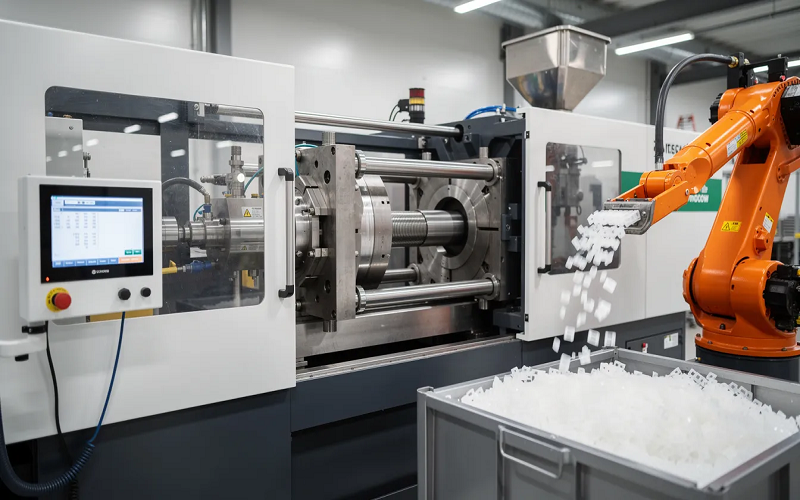
HDPE injection molding is a manufacturing process that converts raw HDPE resin into finished parts through heat, pressure, and precision tooling. Understanding each stage helps identify where quality is won or lost.
Material Preparation
HDPE resin arrives in pellet form and is loaded into the injection molding machine’s hopper. Although HDPE does not readily absorb moisture, surface moisture can be present after storage.
Drying the material before processing is recommended to prevent surface defects and ensure consistent product quality.
This is a simple step that’s easy to skip and often the cause of unexplained surface blemishes in molded products.
Melting and Injection
Inside the barrel, heating elements bring the HDPE to its molten state within the 246 to 280°C processing window.
The injection unit then pushes the molten plastic into the mold cavity under high pressure, filling the cavity and taking on the desired shape.
HDPE has low melt viscosity, which helps it flow into complex parts and thin sections, but also requires careful pressure control to avoid flash at parting lines.
Cooling and Ejection
Cooling is one of the most critical stages in HDPE injection molding.
Because HDPE has low thermal conductivity, cooling takes longer than with many other plastics, and uneven cooling is the primary cause of warping and dimensional inconsistency.
Once the part has solidified, the mold opens and the part is ejected.
Consistent cooling channel design across the mold is essential for producing flat, dimensionally stable molded parts at volume.
Shrinkage Control
Injection molded HDPE has a relatively high shrinkage rate of up to 4%, which can lead to warping if parts shrink unevenly during cooling. This is one of the more challenging aspects of HDPE molding compared to other materials. To mitigate this, reducing wall thickness and the size of the mold gate area both help manage shrinkage. HDPE’s shrinkage rate typically ranges between 1.5% and 4% depending on the grade of HDPE resin and processing conditions.
Design Guidelines for HDPE Injection Molded Parts
Good part design accounts for HDPE’s specific behavior during the injection molding process and avoids the common issues that arise from its high shrinkage rates and thermal expansion characteristics.
Wall Thickness
For HDPE parts, maintaining uniform wall thickness is essential.
The minimum wall thickness typically ranges from 0.76 to 3.18 mm, and transitions between different thicknesses should not exceed 10% to 15% of the nominal wall thickness.
Abrupt changes in wall thickness cause differential cooling, which leads to internal stress, sink marks, and warping.
Uniform wall thickness is the single most effective design measure for controlling shrinkage and keeping molded parts within tolerance.
Radii and Corner Design
Sharp corners should be avoided in HDPE injection molding.
Incorporating radii of at least 25% of the wall thickness limits stress concentrations and improves melt flow through the mold cavity.
Rounded corners also reduce the risk of crack initiation in finished parts during service, particularly in applications involving impact or cyclic loading.
Draft Angles
Applying draft angles to the vertical walls of HDPE parts is important for clean ejection from the mold. For simple shapes, a draft angle of 0.5° to 1° per side is typically sufficient.
For more complex parts with deeper features or textured walls, increasing the draft angle reduces ejection force and extends mold life.
HDPE’s relatively soft surface can scuff during ejection if draft is insufficient, which affects surface finish on visible faces.
Bonding and Assembly Considerations
One limitation of HDPE that affects part design is its difficulty to bond. HDPE has low surface energy, which means standard adhesives don’t grip well.
Mechanical fastening, ultrasonic welding, or surface treatment such as flame or plasma treatment are more reliable approaches for assembling HDPE components than adhesive bonding.
Benefits of HDPE for Injection Molding
HDPE brings a combination of advantages that make it genuinely competitive against potential alternatives across a wide range of injection molding applications.
Its low cost makes it attractive for high volume production runs where material cost is a meaningful factor in overall economics.
Excellent processability on standard injection molding machines keeps labor costs down and reduces processing complications compared to more demanding engineering plastics.
Its chemical resistance, food safety approval, and impact resistance give it a versatile profile that covers consumer products, industrial products, and medical applications from a single material platform.
HDPE also performs reliably across a wide temperature range, maintaining its mechanical properties in cold environments where other commodity plastics like standard polypropylene would lose toughness.
Compared to other materials such as ABS or polycarbonate, HDPE’s combination of low cost, chemical resistance, and toughness makes it a strong default choice for applications where tight tolerances and premium surface finish aren’t the primary requirements.
Limitations of HDPE to Consider
No material is without trade-offs, and HDPE has a few limitations worth knowing.
Its high coefficient of thermal expansion makes dimensional stability a challenge in applications with significant temperature variation. Warping during cooling is a real risk if part design and processing parameters aren’t carefully controlled.
HDPE is also highly flammable, beginning to burn at temperatures above 340°C — flame retardants can be added to the resin where fire resistance is required, though this adds cost and may affect other properties.
Its low surface energy creates bonding challenges, and its surface scratch resistance is lower than harder engineering plastics like ABS or polycarbonate.
Applications of HDPE Injection Molding
HDPE’s broad property profile translates into an equally broad range of injection molding applications across multiple industries.
Consumer Products and Packaging
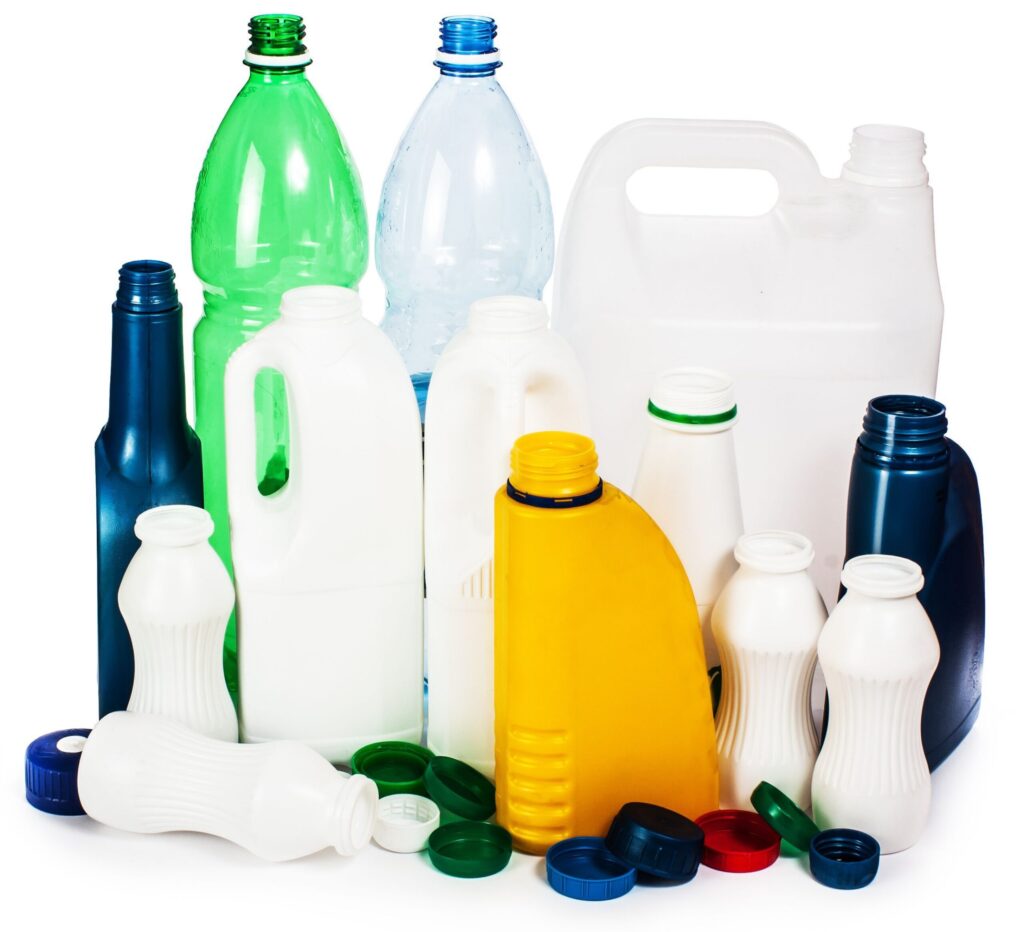
In consumer products, common HDPE injection molded products include water bottles, food storage containers, milk jugs, milk crates, and household containers of all kinds.
Its FDA-approved food-safe status and chemical resistance make it the natural choice for anything in contact with food products. The low cost of HDPE resin also makes it economically viable for high volume single-use packaging applications.
Industrial Products and Pipes
Industrial applications of HDPE injection molding include pipes, chemical storage components, and material handling equipment that benefit from toughness and chemical resistance.
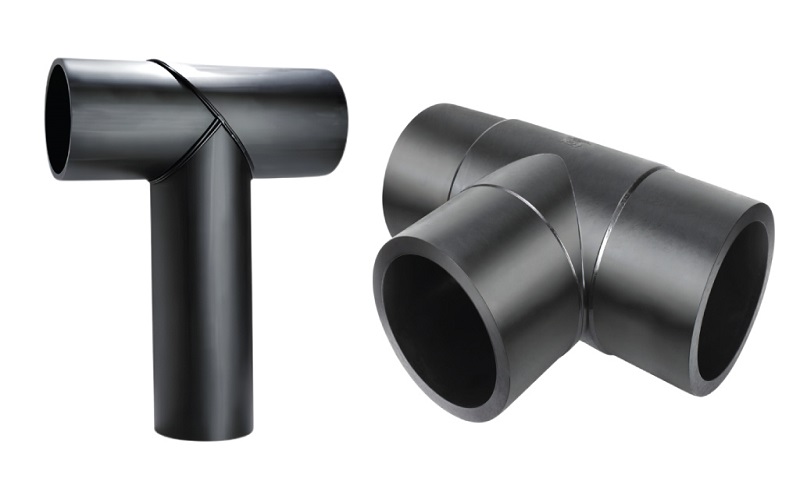
HDPE is widely used in the production of industrial products such as plastic piping, where its resistance to a wide range of chemicals and its ability to handle pressure make it a reliable long-term solution.
Hard hats are another well-known industrial application, relying on HDPE’s impact resistance and low cost.
Medical Applications
In medical applications, HDPE is used for laboratory equipment, medical containers, and components where chemical resistance and FDA compliance are required.
Injection molded HDPE products in this sector can be produced from grades that comply with FDA, USDA, and other relevant material standards, making them suitable for both direct and indirect contact with medical equipment and food products.
Consumer Goods and Other Industries
Beyond packaging and industrial uses, HDPE injection molding applications extend to toys, cutting boards, outdoor furniture, and other consumer goods that benefit from UV resistance, durability, and cost effectiveness.
Its widespread use across industries reflects a material that consistently delivers reliable performance without demanding a premium price.
HDPE vs Other Plastics: A Quick Comparison
| Factor | HDPE | Polypropylene | ABS |
|---|---|---|---|
| Cost | Low | Low | Moderate |
| Chemical resistance | Excellent | Good | Moderate |
| Impact resistance | Good | Moderate | Good |
| Heat resistance | Moderate | Moderate | Good |
| Shrinkage rate | 1.5–4% | 1.5–2.5% | 0.4–0.8% |
| Food safe | Yes (FDA) | Yes (FDA) | No |
| Recyclability | High (#2) | High (#5) | Low |
| Bonding | Difficult | Difficult | Easy |
Frequently Asked Questions About HDPE Injection Molding
What is HDPE injection molding used for?
HDPE injection molding is used to produce a wide range of consumer and industrial parts including food storage containers, water bottles, pipes, milk crates, medical containers, and hard hats. Its chemical resistance, food safety approval, and low cost make it suitable across packaging, industrial, and medical sectors.
What temperature is used for HDPE injection molding?
The melt temperature for HDPE injection molding typically ranges from 246 to 280°C, with mold temperatures maintained between 45 and 65°C for optimal surface finish and dimensional stability.
Is HDPE difficult to injection mold?
HDPE is generally considered easy to process with excellent processability on standard injection molding machines. The main challenges are its high shrinkage rate of up to 4% and its high coefficient of thermal expansion, both of which require careful attention to part design and cooling to avoid warping.
Is HDPE food safe?
Yes. HDPE is FDA-approved and considered food-safe for both single-use and long-term food storage applications, making it one of the most widely used materials for food products packaging.
Conclusion
HDPE injection molding delivers a combination of low cost, chemical resistance, impact toughness, and food-safe compliance that’s genuinely hard to beat for high volume production across consumer, industrial, and medical applications.
Its main challenges — high shrinkage, thermal expansion, and bonding difficulty — are all manageable with thoughtful part design and careful process control.
For detailed information on grade selection and specific processing parameters, consulting your HDPE resin supplier is always a practical starting point.
Get the fundamentals right, and HDPE consistently produces durable, cost effective injection molded products at scale.