
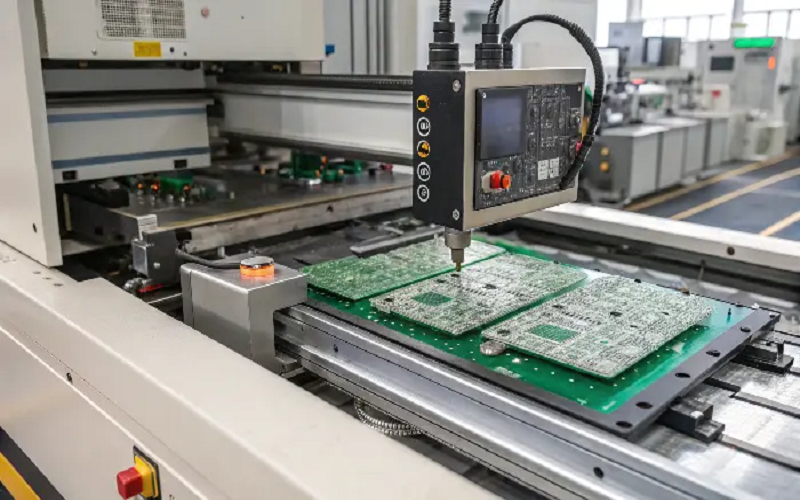
In the field of precision manufacturing, traditional high pressure injection molding often faces a challenge: high pressure and high temperature can easily damage sensitive electronic components, circuit boards, or delicate structural parts.
Low Pressure Injection Molding (LPM) has emerged as an ideal process to protect these precision electronic components.
With its low injection pressure and temperature, this technique effectively safeguards fragile electronic components, reduces material consumption, achieves efficient production, and provides excellent protective performance. It has become a well suited revolutionary manufacturing method for precision electronic products and other sensitive components.
This article will delve into the technical principles, core advantages, and main application areas of low pressure injection molding, aiming to help manufacturing engineers and industry practitioners fully understand and flexibly apply this technology to enhance product quality and market competitiveness.
What Is Low Pressure Injection Molding?
Low Pressure Injection Molding is a specialized injection molding process that, compared to traditional high-pressure injection molding, uses extremely low injection pressure.
It mainly employs hot-melt polyamide (Polyamide) or polyolefin materials for the encapsulation and protection of precision electronic components.
Typically, the injection pressure ranges from 1.5 to 40 bar, and the injection temperature is maintained between 180°C and 240°C. The cycle time for low-pressure injection molding takes only a few seconds to a few minutes.
This gentle process allows low-viscosity molten materials to flow smoothly into the mold cavity, encapsulating delicate components such as fragile electronic parts, connectors, and thin-walled parts without causing damage.
Low Pressure Injection Molding Process Steps
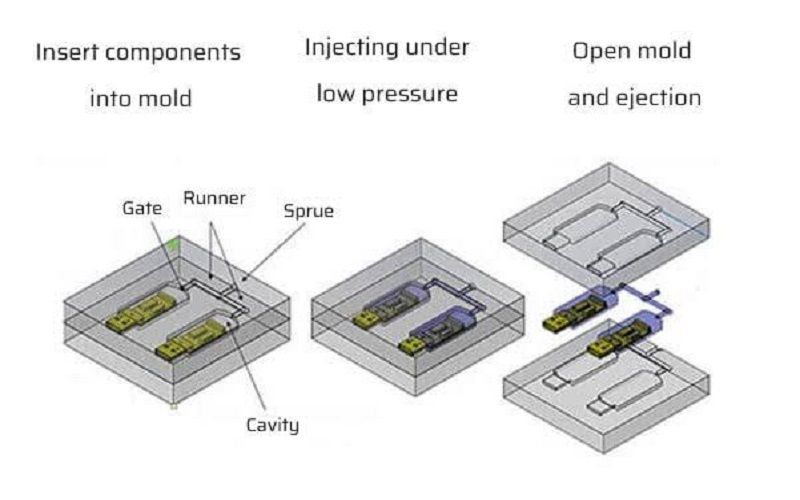
The low pressure injection molding process mainly includes three key steps: insertion, injection, and cooling and removal.
Step1: Insertion Stage
The precision electronic components or other fragile parts that need encapsulation are accurately placed into the mold cavity.
This step requires precise operation to ensure the correct positioning of the components, facilitating even coverage by the molding material in the subsequent injection.
Step2:Injection Stage
Molten low pressure molding material is slowly injected into the mold using low pressure (typically 1.5 to 40 bar). The injection speed must be properly controlled to ensure the material flows smoothly and completely fills the mold, while avoiding air traps and premature solidification.
The injection temperature is generally controlled between 180°C and 240°C to ensure high fluidity and thermal stability of the material, while preventing thermal damage to the electronic components.
Step3:Cooling Stage
The injected material rapidly solidifies through the mold’s built-in cooling system. The short cooling time improves production efficiency. After solidification, the mold opens, and the molded part is removed for subsequent inspection or assembly.
Through these three steps, low pressure injection molding not only achieves excellent protection for electronic devices and fragile components but also effectively enhances design flexibility and cost-effectiveness in production.
What Materials Are Used In Low-Pressure Injection Molding?
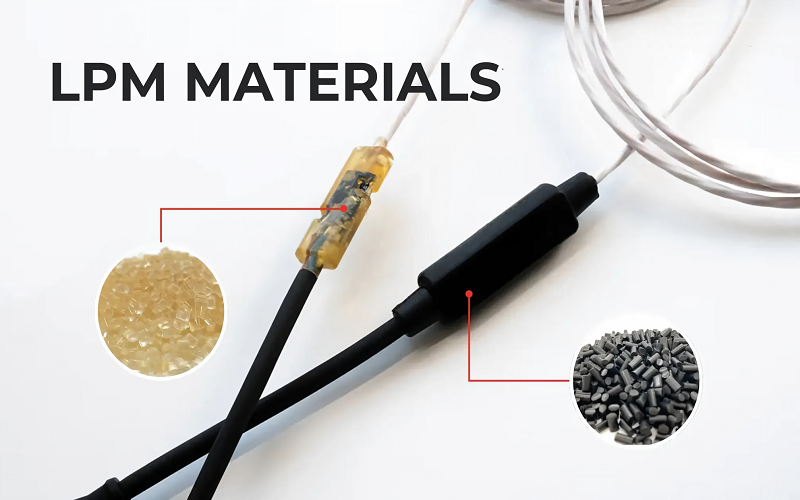
Low pressure injection molding primarily uses thermoplastic resins as raw materials, commonly including polyamides (nylon), polyolefins, and copolyesters.
These materials possess excellent fluidity and thermal stability, allowing smooth injection into molds at relatively low processing temperatures and pressures, ensuring that sensitive electronic components remain undamaged.
Additionally, thermoplastic elastomers (TPE) are widely applied in low pressure injection molding due to their outstanding flexibility and durability.
Choosing the appropriate material not only enhances the durability and sealing performance of the finished product but also meets the requirements for chemical resistance, moisture resistance, and heat resistance in various application environments.
Low pressure molding materials typically exhibit excellent adhesive properties, enabling firm encapsulation of parts with complex geometries to achieve efficient sealing and protection.
At the same time, LPM is more environmentally friendly by producing minimal waste and using recyclable materials, further enhancing its sustainability advantages.
Advantages Of Low Pressure Injection Molding
Low pressure injection molding offers numerous benefits that make it an attractive choice for manufacturers dealing with delicate components and complex assemblies.
Component Protection Capability
One of the most significant advantages is the low injection pressure, typically between 1.5 to 40 bar, which minimizes the risk of damaging fragile electronic parts, connectors, and thin-walled inserts. The process uses less material, reducing waste and lowering costs.
Excellent Sealing and Protection
The low pressure molding process offer better sealing consistency than traditional methods, providing better protection against moisture, dust, chemicals, and mechanical impact.
This results in durable, waterproof seals that can meet high protection standards such as IP 65 to IP 68 submersion ratings, effectively extending the lifespan of sensitive devices.
Superior Environmental Protection
Low pressure molding materials are often recyclable and VOC-free, contributing to a reduced environmental impact compared to traditional encapsulation methods.
The process generates less waste and consumes less energy due to lower temperature and pressure requirements, supporting manufacturers’ sustainability goals.
Cost Effective And Highly Productive
Low pressure causes minimal mold wear, allowing the use of various mold materials such as aluminum and resin molds, which shortens mold development cycles and reduces costs.
LPM minimizes the need for secondary operations like potting or sealing by encapsulating parts during molding.The rapid cooling facilitated by the mold design further enhances production efficiency, allowing manufacturers to meet tight deadlines and scale production as needed.
In summary, low pressure injection molding combines gentle processing conditions with excellent material properties to deliver reliable, cost effective, and environmentally friendly solutions for the encapsulation and protection of delicate components.
LPMS
Common Applications Of Low Pressure Molding
Low pressure injection molding technology has broad industrial applications in electronics, the automotive industry, medical devices, and other fields.
Electronic Devices
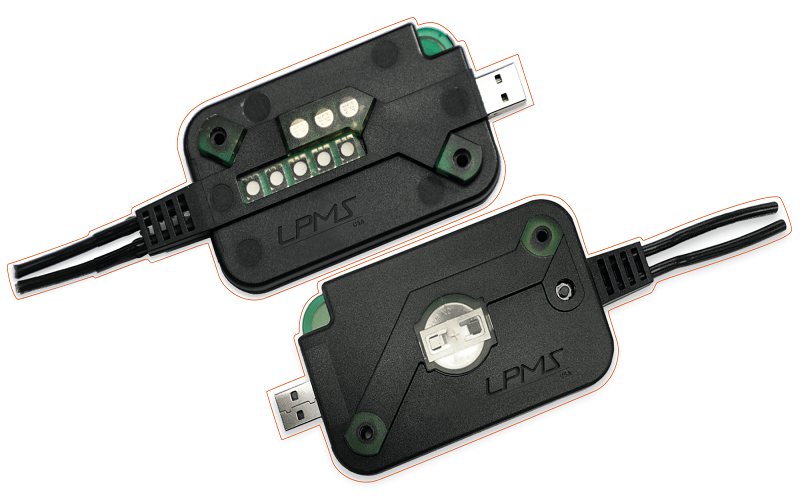
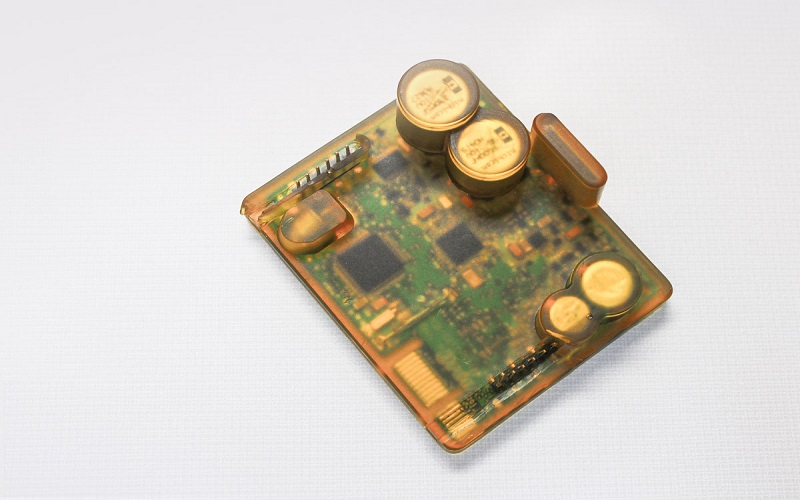
This is the most extensive application area for low pressure injection molding technology, mainly used for circuit board (PCB) encapsulation, connector sealing, wire harness protection, and sensor housing manufacturing.
This process can achieve waterproof ratings of IP67 and above, significantly enhancing product durability and reliability, ensuring stable operation of electronic components in complex environments.
Automotive Industry
Low pressure injection molding is widely used in automotive electronic modules, battery encapsulation, interior trim overmolding, and door panel protective strips. This technology ensures that sensors and control units maintain excellent performance and long-term stability under severe vibration and temperature changes.
Medical Devices
In the medical device field, low pressure injection molding is used for encapsulating precision parts that undergo frequent sterilization, ensuring product sealing and biocompatibility.
Additionally, consumer electronics such as smart wearables, wireless earphones, and chargers also adopt this technology to achieve high protection levels and excellent user experience.
Low Pressure Molding vs Traditional Injection Molding
Low pressure injection molding differs significantly from traditional high-pressure injection molding in several key aspects, making it particularly suitable for delicate and precision components.
Injection Pressure And Temperature
Traditional injection molding typically uses high pressures ranging from 350 to 1300 bar (5,000 to 18,800 psi) and high temperatures between 230°C and 300°C (446°F to 572°F). It is suitable for fast, high-volume production of large plastic parts but can easily damage sensitive electronic components or thin-walled parts.
In contrast, low pressure injection molding uses much lower pressures, usually between 1.5 and 40 bar (21.8 to 580 psi), and lower temperatures around 180°C to 240°C (356°F to 464°F).
This gentler process reduces stress and thermal damage to fragile parts, making it ideal for encapsulating precision electronic components, connectors, and sensors.
Mold Material And Costs
Traditional molding employs steel molds due to their durability and ability to withstand high pressures and temperatures. Steel molds have longer lead times and higher initial costs but are suitable for high-volume production runs.
Low pressure molding uses aluminum or silicone rubber molds, which are more cost-effective and faster to produce. However, these molds are less durable and better suited for low to medium production volumes. The lower pressures reduce mold wear, extending mold life and enabling quicker mold changes and iterations.
Production Volume and Cycle Time
Traditional injection molding excels in high-volume manufacturing, producing large quantities of parts quickly with cycle times typically ranging from seconds to minutes depending on part complexity.
Low pressure injection molding is best suited for low to medium volume runs where protecting sensitive components is critical. Its cycle times are comparable, often taking only a few seconds to minutes, but the process reduces the need for secondary operations like potting or sealing, streamlining overall production.
In summary, while traditional injection molding remains the preferred method for large-scale production of robust plastic parts, low pressure injection molding offers a specialized, gentle, and efficient solution for protecting delicate components and achieving high-quality sealing and encapsulation in sensitive applications.
| Comparison Item | Low Pressure Injection Molding (LPM) | Traditional Injection Molding (TIM) |
|---|---|---|
| Injection Pressure | 1.5 to 40 bar | 350 to 1300 bar |
| Injection Temperature | 180°C to 240°C | 230°C to 300°C |
| Mold Material | Aluminum or silicone molds | Steel molds |
| Suitable Production Volume | Low to medium volume | Medium to high volume |
| Suitable Parts | Precision electronic components, thin-walled parts, fragile parts | Large plastic parts, high-strength parts |
| Protection for Sensitive Components | Excellent, low pressure avoids damage | Prone to damage sensitive components |
| Sealing Performance | Excellent, can achieve IP65 to IP68 protection levels | Average, sealing consistency is poorer |
| Production Cycle | Short, from seconds to minutes | Short, from seconds to minutes |
| Cost | Low mold cost, less material usage, energy-saving and environmentally friendly | High mold cost, higher material consumption |
| Secondary Operations | Reduced or no secondary encapsulation or potting | May require secondary encapsulation or potting |
| Design Flexibility | High, capable of complex geometries and thin-wall designs | Lower, complex designs are more difficult |
Conclusion
Low Pressure Injection Molding technology, with its advantages of low pressure and low temperature processes, successfully addresses the potential damage caused by traditional high-pressure injection molding to precision electronic components.
It not only achieves efficient protection and excellent sealing performance for sensitive parts but also significantly improves production efficiency and cost-effectiveness.
With continuous advancements in materials and mold technologies, Low Pressure Injection Molding has broad application prospects in electronics, automotive, medical, and other fields, gradually becoming a key process choice in precision manufacturing.
For products requiring high protection and reliability, a deep understanding and application of Low Pressure Injection Molding technology will help enterprises enhance product quality and market competitiveness.