
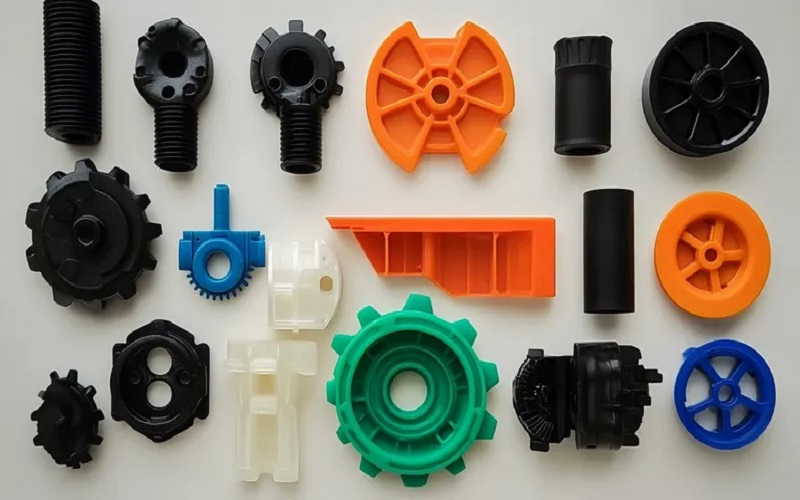
If you’ve ever sat on a foam cushion, driven a car with a padded dashboard, or lived in a well-insulated home, you’ve already experienced polyurethane up close.
It’s one of the most versatile polymers ever created — showing up everywhere from spray foam insulation to medical catheters to high performance coatings.
Yet most people have no idea how it’s made or why it behaves so differently depending on the application.
This polyurethane handbook breaks down the polyurethane production process from raw materials to final polyurethane product, covering the chemistry, the manufacturing steps, and the wide range of industrial applications that make this material so indispensable.
A Brief History of Polyurethane Chemistry
Polyurethane chemistry has a surprisingly specific origin story.
Otto Bayer and his coworkers at IG Farben in Leverkusen, Germany, first made polyurethanes in 1937, setting the foundation for an entirely new class of synthetic polymers.
The development of elastic polyurethanes began as a program to find a replacement for rubber during World War II, which pushed research forward at an accelerated pace.
The real turning point came in 1952, when the commercial availability of polyisocyanates enabled the mass production of polyester-isocyanate urethane systems.
Then in 1956, DuPont’s introduction of polyether polyols revolutionized the polyurethane industry, opening the door to flexible polyurethane foams and a much broader range of polyurethane products.
By 1960, more than 45,000 metric tons of flexible polyurethane foams were being produced annually — a number that would grow dramatically in the decades to come.
Today, the global polyurethane market is valued at more than $65 billion and is expected to grow at a rate of 3.2% until 2027. That growth reflects just how deeply polyurethane materials have embedded themselves across the automotive, construction, medical, and manufacturing industry sectors.
The Raw Materials Behind Polyurethane
Before any polyurethane production process can begin, you need to understand what goes into it. At its core, polyurethane is produced by reacting a polymeric isocyanate with a polyol — but the specific choices made at this stage determine virtually every property of the final product.
Polyols and Isocyanates: The Building Blocks
Polyols are compounds that contain multiple hydroxyl groups and react with isocyanates to form the polyurethane polymer backbone. There are two main types used in polyurethane manufacturing.
Polyether polyols are produced through the polymerization of epoxides like propylene oxide and ethylene glycol, and are commonly used in flexible polyurethane foams and flexible polyurethanes.
Polyester polyols, formed by the reaction of diacids with glycols, are known for their chemical resistance, abrasion resistance, and high tensile strength, making them well-suited for polyurethane coatings, polyurethane elastomers, and load bearing components.
On the isocyanate side, the most widely used options in polyurethane production are toluene diisocyanate (TDI) and methylene diphenyl diisocyanate (MDI).
These compounds contain highly reactive isocyanate groups — the (NCO) group — that drive the chemical reaction with hydroxyl groups in the polyol. The careful control of the polyol-to-isocyanate ratio allows for a spectrum of products ranging from soft foams to hard solid plastics.
Supporting Additives and Their Roles
Raw materials don’t stop at polyols and isocyanates.
Additives in polyurethane production can include blowing agents, fillers, pigments, and flame retardants to modify the desired properties of the final product.
Blowing agents — both chemical blowing agents and physical blowing agents — are used to create the cellular foam structure characteristic of polyurethane foam. Carbon dioxide gas generated during the chemical reaction can itself serve as a natural blowing agent.
Surfactants are added to stabilize the foam structure and control cell size during the foaming process, while amine or tin-based catalysts manage the reaction speed and curing throughout the polyurethane system.
The Core Chemical Reaction
The polyurethane production process is built around a single fundamental chemical reaction: the reaction between isocyanate and hydroxyl groups.
When diisocyanates react with polyols, often in the presence of a catalyst, they form urethane linkages — the defining structural feature of every polyurethane polymer.
Exothermic and Fast
This is not a slow, gradual process. The exothermic reaction in polyurethane production occurs within seconds to minutes, leading to a solid or foam structure depending on the polyurethane formulations used.
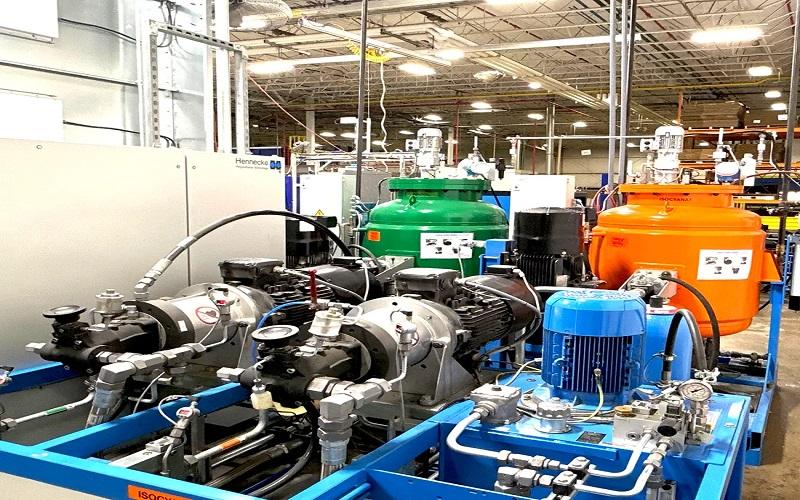
The production of polyurethane involves precise metering and high-speed mixing of its components, because once the reaction starts, there’s very little room to correct course.
Liquid isocyanates and polyols are stored in temperature-controlled tanks before blending with additives to ensure consistency at every stage.
One-Shot vs. Prepolymer Methods
There are two main approaches to carrying out the polymerization reaction.
The one-shot process mixes all components simultaneously, which is fast and efficient for high volume polyurethane foam production.
The prepolymer method involves pre-reacting a portion of polyol with isocyanate first, giving manufacturers better control over the reaction process and producing more consistent mechanical properties.
The stoichiometry of the starting materials must be carefully controlled in either case — excess isocyanate groups left unreacted can affect the structural integrity and physical properties of the finished part.
Polyurethane Molding and Manufacturing Processes
Once the chemistry is set, the next question is how to shape the polyurethane mixture into a usable product. The polyurethane manufacturing industry uses several distinct molding processes depending on the application, volume, and complexity required.
Reaction Injection Molding (RIM)
Reaction injection molding is one of the most important techniques in the polyurethane industry.
In 1969, Bayer exhibited an all-plastic car in Düsseldorf, Germany, made using this new process — and by 1983, the first plastic-body automobile in the United States, the Pontiac Fiero, was built using RIM technology.
The process involves injecting the reactive polyurethane system directly into a closed mold, where the chemical reaction and curing process occur simultaneously.
RIM is ideal for manufacturing precise, rigid automotive components, aerospace components, and industrial components where tight tolerances and complex geometries are required.
Open-Cast and Compression Molding
Open-cast molding allows for the production of complex shapes under low pressure and is one of the most common methods of polyurethane molding for custom parts.
Compression molding is another option used for thermoset elastomers and high-density polyurethane resin components where consistent density and load bearing performance are priorities.
Spray Foam and Foam Insulation Applications
Spray foam insulation is one of the most recognizable applications of polyurethane foam production.
A two-component polyurethane mixture is sprayed onto a surface, where it expands rapidly and cures in place, creating an airtight barrier with excellent thermal insulation properties.
This same principle applies to foam insulation panels used in construction, where rigid foams deliver outstanding thermal resistance and structural support.
The ability of polyurethane foam to withstand harsh environmental conditions makes it a preferred choice over many competing insulation materials.
Types of Polyurethane Products and Their Applications
The polyurethane production process is flexible enough to yield an enormous range of products, each tailored for a specific set of demands.
Flexible and Rigid Foams
Polyurethane foams can be classified as flexible or rigid, with applications ranging from furniture cushioning to building insulation.
Flexible polyurethane foams dominate the furniture and bedding markets, while rigid foams are the backbone of foam insulation in the construction industry.
Both types rely on blowing agents and precise control of the foam structure to achieve their desired properties.
Polyurethane Coatings and Surface Coatings
Polyurethane coatings are valued for their chemical resistance, abrasion resistance, and thermal stability.
Making polyurethane coatings for industrial use involves carefully balancing high molecular weight polyols with the right isocyanate components to produce high performance coatings that can withstand harsh environmental conditions.
These surface coatings are used across automotive, aerospace, and marine applications where durability and finish quality are non-negotiable.
Elastomers and Solid Plastics
Polyurethane elastomers bridge the gap between rubber and hard plastics, offering the flexibility of thermoset elastomers with superior abrasion resistance and thermal resistance.
They’re used to produce rollers, wheels, gaskets, belts, and protective covers for heavy-duty equipment.
In more rigid formulations, solid plastics produced through injection molding or reaction injection molding serve as automotive components, industrial components, and load bearing components across a broad range of industries.
Coatings, Adhesives, and Specialty Products
Coatings adhesives made from polyurethane chemistry are used extensively in the footwear, textile, and construction industries.
Polyurethane fibers power the stretch in athletic apparel and elastic garments.
Polyurethane potting compounds protect sensitive electronics from moisture, dust, and vibration — a critical function in modern electrical systems.
Quality Control in Polyurethane Production
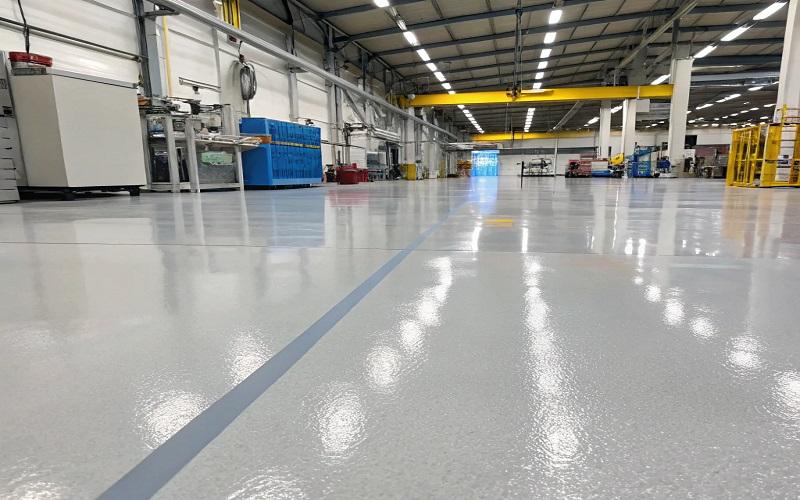
Quality control measures are essential during the production of polyurethane to ensure consistent product characteristics.
Given how rapidly the chemical reaction occurs, even small variations in temperature, mixing ratio, or additive levels can lead to significant differences in the physical properties and mechanical properties of the finished product.
The curing process must be carefully monitored to ensure complete reaction of all isocyanate groups.
Incomplete curing results in parts with poor structural integrity, reduced chemical resistance, and inconsistent foam structure.
Temperature-controlled storage of raw materials and precise metering systems are standard practice in any professional polyurethane manufacturing operation.
Environmental concerns have become an increasingly important part of quality control in the polyurethane industry.
Volatile organic compounds released during the production process and the use of certain chemical blowing agents have drawn regulatory scrutiny.
The industry is actively adopting eco-friendly practices, and research is ongoing into bio-based polyols derived from renewable resources such as soybean oil, cottonseed oil, and castor oil.
Efforts to create non-isocyanate polyurethanes are also being explored to reduce toxicity and enhance sustainability across the polyurethane production process.
Side-by-Side Summary: Flexible vs. Rigid Polyurethane Foams
| Property | Flexible Foams | Rigid Foams |
| Primary Use | Furniture, bedding, apparel | Building insulation, structural panels |
| Density | Low | High |
| Thermal Insulation | Moderate | Excellent |
| Load Bearing | Low | High |
| Blowing Agent | Chemical / physical | Chemical / CO₂ |
| Typical Polyol | Polyether polyols | Polyester polyols |
Conclusion
The polyurethane production process is a fascinating intersection of precise chemistry and large-scale manufacturing.
From the initial reaction between polyols and isocyanates to the final polyurethane product rolling off a production line, every step requires careful control of raw materials, reaction conditions, and processing parameters.
Whether the end goal is a flexible foam cushion, a rigid aerospace component, high performance coatings, or spray foam insulation, the fundamentals remain the same: get the chemistry right, control the process, and the material will deliver.
As the polyurethane industry continues to grow and evolve — with sustainability and bio-based materials playing an ever-larger role — understanding these core production steps becomes more valuable than ever.