
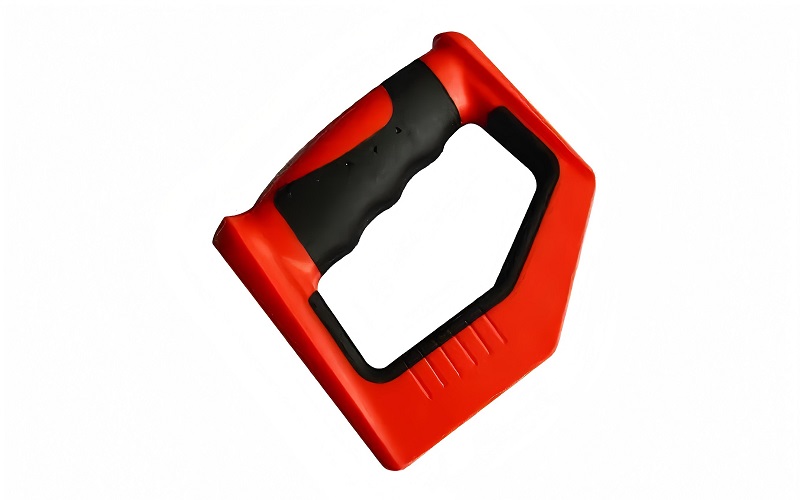
If you’ve ever wondered why thermoplastic polyurethane keeps showing up in everything from car engine bays to wearable tech and 3D printed functional parts, heat resistance is a big part of the answer.
TPU — thermoplastic polyurethane — has built a reputation as a go-to material for demanding environments, and understanding exactly how it handles heat helps explain why engineers, designers, and professionals alike keep reaching for it.
This article walks through the key thermal properties of TPU, how they compare to other flexible materials, and where TPU excels in real-world applications.
What Is TPU and Why Its Heat Resistance Matters
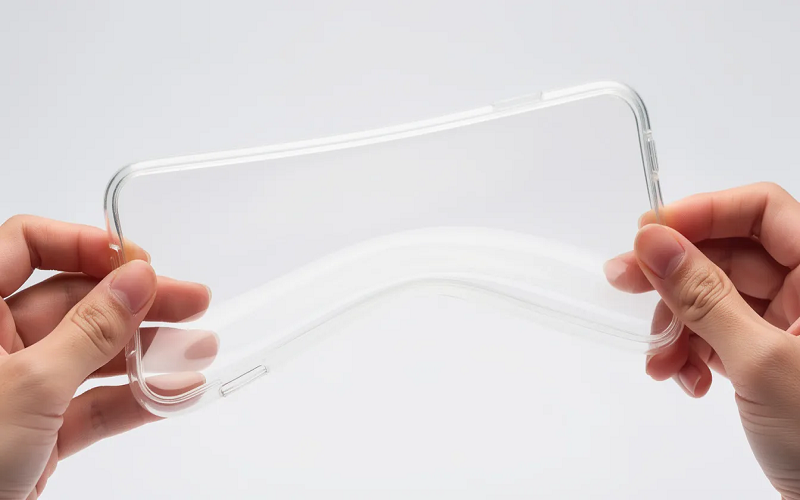
TPU, or thermoplastic polyurethane, is known for its exceptional flexibility and elasticity, allowing it to stretch significantly under tension and return to its original shape without permanent deformation.
That alone makes it stand out in the world of thermoplastics.
But what’s equally important is the underlying reason it behaves this way — TPU is a block copolymer with alternating hard and soft segments. TPU exhibits good resistance to abrasion, chemicals, and hydrolysis, making it highly durable in demanding environments.
The hard segments provide structural integrity and heat resistance, while the soft segments deliver flexibility and resilience at low temperatures.
This unique combination of hard and soft segments is what gives TPU its broad performance envelope.
It’s not simply a rigid filament or a purely rubbery material — it sits in between, as a true thermoplastic elastomer.
The balance between those two segments can be tuned during formulation, which is why TPU material comes in such a wide range of grades with different properties. Certain TPU types are engineered to resist water-induced chemical reactions (hydrolysis), which enhances their durability in moist environments.
Materials with a higher hard segment content generally offer better heat transfer properties and higher melting points, while softer formulations trade some thermal performance for greater flexibility.
TPU Heat Resistance: What the Numbers Actually Mean
Understanding TPU heat resistance starts with knowing the temperature thresholds that matter in practice.
Standard TPU typically maintains its properties up to 80°C, and most TPU formulations soften significantly above 60–80°C, limiting their use in high-temperature applications without modification.
That’s an important trade-off to understand before specifying TPU for any application involving sustained heat.
TPU provides long-term thermal stability at 80°C and can endure short-term peaks of 120°C without releasing toxic gases like PVC.
That’s a meaningful safety advantage in enclosed environments like automotive cabins or medical settings, where off-gassing from materials under heat is a real concern.
Some specialized TPU formulations can handle continuous use up to 100°C or short-term exposure up to 120°C, which extends the range of viable applications considerably.
TPU typically melts for processing between 180°C and 230°C — useful context when comparing to other thermoplastics. For 3D printing applications, optimal printing temperatures and precise nozzle temperature settings are crucial for achieving reliable results with TPU, as improper temperature control can affect extrusion quality and mechanical properties.
Exposure to temperatures above 100°C for prolonged periods will typically cause TPU to soften or begin degrading, so for high temperature applications beyond that range, engineers need to evaluate whether a specialized grade or an alternative material is more appropriate.
Glass Transition Temperature and Low-Temperature Performance
The glass transition temperature of TPU is an equally important part of the thermal picture.
The glass transition temperature (Tg) of TPU typically ranges from -30°C to -50°C, which contributes to its flexibility and resilience at low temperatures, making it suitable for cold environments where many rigid filaments or standard plastics would become brittle.
TPU begins to soften significantly as it approaches its glass transition temperature around -50°C to -30°C for soft segments, which means in practice it remains flexible and functional across a broader temperature range than most flexible materials.
Polyester vs Polyether: Key Differences in Heat Performance
Not all TPU is the same, and the chemical structure of the base formulation makes a real difference in heat and moisture performance.
Polyester-based TPU offers higher mechanical strength and better resistance to chemicals and oils, but is susceptible to hydrolysis at high temperatures and humidity.
If your application involves prolonged exposure to hot, wet conditions, polyester TPU may degrade faster than expected.
Polyether-based TPU provides superior hydrolysis resistance and maintains flexibility in cold and wet high-heat environments.
For applications where moisture and heat combine — marine components, outdoor gear, medical devices that get steam sterilized — polyether TPU is typically the more reliable choice.
Stiffer, harder TPUs typically exhibit slightly higher heat deflection temperatures than softer versions, so shore hardness selection ties directly into thermal performance when specifying a grade.
| Property | Polyester-Based TPU | Polyether-Based TPU |
| Continuous Use Temperature | Up to 80°C | Up to 80°C |
| Short-Term Peak Temperature | Up to 120°C | Up to 110°C |
| Glass Transition Temperature (Tg) | -30°C to -40°C | -40°C to -50°C |
| Tensile Strength | 40–60 MPa | 25–45 MPa |
| Shore Hardness Range | 60A – 75D | 60A – 95A |
| Hydrolysis Resistance | Low — degrades above 60°C in humidity | High — stable in wet + heat conditions |
| Abrasion Resistance (DIN 53516) | ~20–35 mm³ loss | ~30–50 mm³ loss |
| Chemical Resistance (oils/greases) | Excellent | Good |
| Best Operating Humidity | Low to moderate | Low to high |
Chemical Resistance and Environmental Durability
Heat resistance doesn’t exist in isolation — in most demanding environments, materials face heat alongside chemicals, UV exposure, and moisture.
TPU is highly resistant to oils, greases, and various solvents, making it suitable for industrial applications where exposure to harsh substances is common. Specific blends of TPC, a related material to TPU, boast impressive chemical resistance, making them ideal for applications involving oils, greases, and solvents.
TPU can withstand prolonged exposure to environmental elements like UV rays and moisture without significant degradation, making it a reliable choice for outdoor applications where many other flexible materials would chalk, crack, or lose mechanical properties.
However, while TPU has some UV resistance, it is limited compared to materials like PP, so prolonged outdoor use may require additional UV protection.
The abrasion resistance and chemical resistance of TPU together explain why it appears so consistently in industrial parts, automotive parts, and consumer goods that face rough real-world conditions.
TPU’s flexibility makes it ideal for dynamic or load-bearing applications such as hinges, gaskets, and flexible connectors, as well as wearable devices and soft robotics — applications where both mechanical and chemical performance are required simultaneously.
One processing note worth flagging: TPU is hygroscopic, and if not properly dried, trapped moisture can cause bubbling and degradation during heating, weakening the final part.
This applies both in injection molding and 3D printing — proper material handling before processing is non-negotiable for reliable results.
TPU Heat Resistance in 3D Printing
TPU filaments have become one of the most popular choices for 3D printing flexible parts, and thermal properties are central to why they work well for functional printed parts.
Understanding the printing parameters for TPU helps explain both its strengths and its trade-offs in an FDM context.
TPU filaments typically print at nozzle temperatures between 220°C and 240°C, with a heated bed temperature usually around 30–60°C — some formulations can print without a heated bed at all, though a glue stick on the bed surface often helps with adhesion.
Printing at slower speeds is generally necessary to maintain print quality and avoid the filament bunching or stringing that can occur with flexible filaments.
A direct drive extruder is strongly recommended for TPU filaments, because the flexibility of the material makes it prone to buckling in a Bowden tube setup.
This is one of the key differences between printing TPU and more rigid filaments — the mechanical properties that make TPU great for end-use parts also make it more challenging to feed through standard extruder configurations.
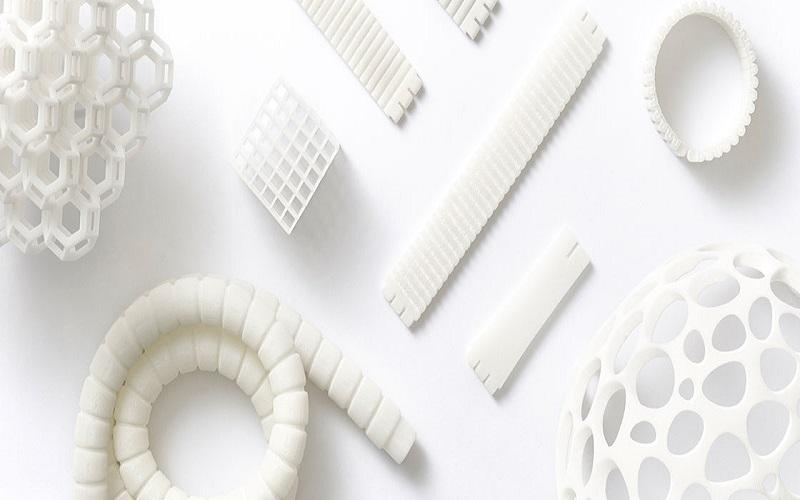
Additionally, TPU enables the production of complex geometries and intricate designs that are difficult to achieve with traditional manufacturing methods, making it ideal for custom prototypes and high-precision applications.
Heat Resistance of Printed TPU Parts
Once printed, TPU parts maintain their thermal stability up to the same thresholds as molded TPU — around 80°C for continuous use, with short-term tolerance up to 120°C for standard grades.
Some TPU filaments reach higher heat resistance ratings — like Formfutura’s Python Flex 98A, which is rated up to 138°C — making them suitable for more demanding applications than standard flexible filaments.
If you’re using rapid prototyping to develop parts that will eventually go into high temperature applications, selecting the right TPU filament grade matters.
Post processing techniques for TPU printed parts are more limited than for rigid filaments — chemical smoothing with many solvents isn’t applicable to most TPU formulations, and fine grit sandpaper is typically the most practical finishing option for surface quality.
That’s a trade-off worth factoring in when planning production workflows.
Real-World Applications Where TPU Heat Resistance Matters
The thermal properties of TPU translate into a specific and well-defined range of real-world applications. TPU is widely used in shoe soles due to its durability and impact resistance, making it a preferred material in footwear and protective gear. Here’s where the material consistently delivers.
Automotive Parts and Engine Components
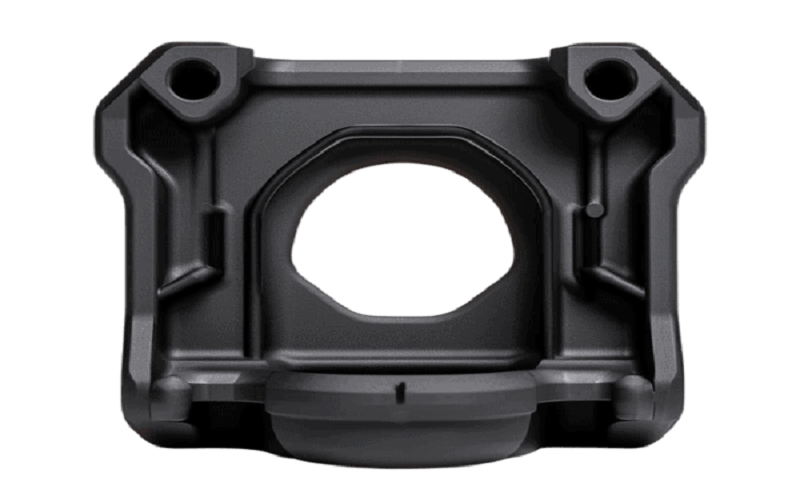
TPU is used in automotive applications for turbocharger air ducts and fuel system sealing rings due to its resistance to melting and hardening under temperature fluctuations.
Under-hood environments combine sustained heat, chemical exposure, and mechanical stress — exactly the conditions where TPU’s unique combination of properties makes it competitive with more expensive engineering polymers.
Flexible connectors, protective boots over joints, and sealing components in fuel systems all benefit from TPU’s thermal stability and chemical resistance.
Medical Devices and Sterilization Requirements
In medical applications, heat resistance takes on a specific regulatory dimension.
Specialized grades of TPU can withstand high-temperature steam sterilization — for example, 121°C for 15 minutes — for medical applications.
That sterilization capability opens up a category of medical devices and surgical tools where single-use or reusable flexible components need to survive autoclave cycles without deforming or degrading.
Combined with TPU’s biocompatibility in approved grades, this makes it a practical material for tubing, catheters, flexible enclosures, and ergonomic tools used in clinical settings.
Wearable Tech and Sports Equipment
TPU is applied in smartwatch straps and fitness trackers because it remains stable and flexible at body temperature around 37°C while resisting deformation from sweat or humidity.
That specific combination — thermal stability at skin temperature, moisture resistance, and the flexibility needed for comfortable wearable tech — is surprisingly hard to achieve with other flexible materials.
TPU is also used for high-performance shoe midsoles and protective gear that must maintain cushioning and shape during high-friction activities, where impact resistance and durability under repeated mechanical loading are just as important as thermal performance.
Industrial Applications and Consumer Goods
In industrial applications, TPU’s moderate heat resistance combined with its abrasion resistance and chemical resistance makes it a reliable choice for conveyor components, cable jacketing, protective covers, and seals.
Phone cases, protective equipment, and sports equipment represent the consumer goods end of the same performance story — TPU absorbs energy and rebounds, making it ideal for applications that require impact resistance such as protective cases and automotive components.
For consumer goods that face both everyday mechanical abuse and variable temperatures, TPU delivers durability that softer thermoplastic elastomers often can’t match.
TPU vs Other Flexible Materials: Where It Sits
Unlike materials that offer only moderate flexibility, TPU is engineered to absorb impact and redistribute stress across the part, which is why it consistently outperforms standard thermoplastic elastomers in applications involving repeated shock or dynamic loading.
Thermoplastic polyurethane TPU and thermoplastic elastomer (TPE) are two distinct materials, each with unique properties. Thermoplastic polyurethane TPU is known for its exceptional flexibility, hardness, and durability, making it a versatile manufacturing material used in both industrial and consumer applications.
TPU can withstand higher temperatures than TPC, making it suitable for demanding environments with significant heat exposure.
Compared to standard TPE filament and other flexible materials, TPU’s mechanical properties — tensile strength, abrasion resistance, impact resistance, and thermal stability — place it at the higher-performance end of the flexible materials spectrum.
The trade-offs are cost and processing complexity: TPU is generally more expensive and more challenging to process than simpler thermoplastic elastomers, both in injection molding and 3D printing.
For most demanding environments where both flexibility and heat resistance are required, TPU is the excellent material choice that bridges the gap between rubber-like performance and thermoplastic processability.
Conclusion
TPU heat resistance isn’t about competing with high-temperature engineering polymers — it’s about delivering reliable performance across a broad thermal range in applications that also demand flexibility, durability, and chemical resistance.
Standard TPU handles continuous use up to 80°C with short-term tolerance up to 120°C, and specialized grades push that envelope further.
Whether you’re specifying TPU for injection molding, evaluating TPU filaments for 3D printing functional parts, or selecting materials for automotive, medical, or wearable tech applications, understanding these thermal properties is the foundation of getting the right result. Happy printing, and happy manufacturing.