
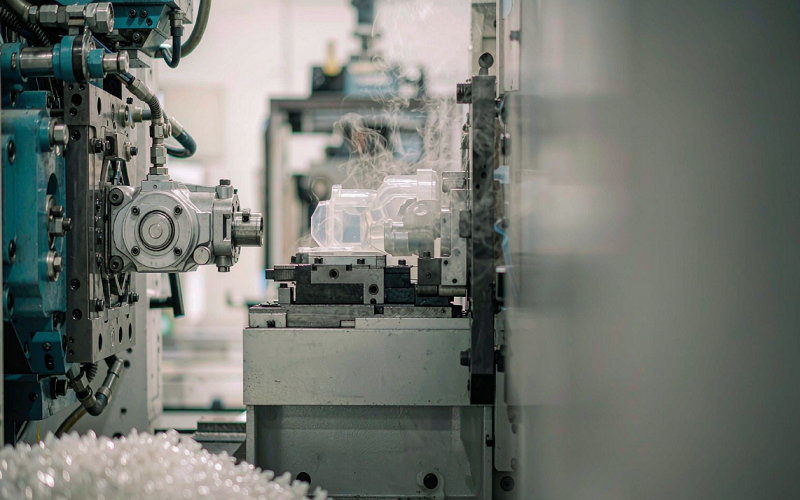
Polyethylene injection molding is a key process widely used in industrial and consumer goods manufacturing.
As a thermoplastic polymer, polyethylene has become an important material in plastic injection molding due to its excellent physical properties, chemical stability, and cost-effectiveness, suitable for a variety of products ranging from flexible packaging to rigid structural components.
This article will delve into the types of polyethylene injection molding, processing parameters, and main applications to help readers gain a comprehensive understanding of the material and its processing technology, highlighting its multifaceted characteristics and advantages.
Types Of Polyethylene Used In Injection Molding
Polyethylene injection molding mainly includes several different types of polyethylene materials, each exhibiting unique material properties due to differences in density, molecular weight, and crystallinity.
Common types of polyethylene use in injection molding include Low-Density Polyethylene (LDPE), Linear Low-Density Polyethylene (LLDPE), and High-Density Polyethylene (HDPE).
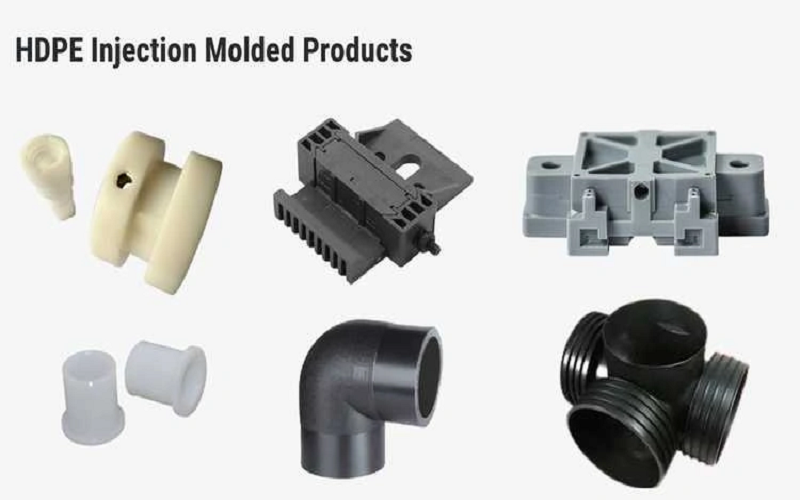
High Density Polyethylene (HDPE) Injection Molding
HDPE has a density of 0.96 g/cm³, low moisture absorption at 0.1% by weight, and exhibits a high tensile strength of 31.7 MPa.HDPE molding is widely used to produce chemical storage tanks, automotive parts, and food containers.
HDPE exhibits excellent processability due to its relatively low melt temperature and low viscosity. Although its UV resistance is poor, this can be significantly enhanced by incorporating UV stabilizers.
Low-Density Polyethylene (LDPE) Injection Molding
LDPE has a lower density and crystallinity, exhibiting good flexibility and impact resistance. LDPE injection molding is suitable for injection molded parts that require certain elasticity and wear resistance, such as hose fittings and flexible packaging materials.
LDPE has a low melt temperature during injection molding, typically between 160°C to 260°C, making it easy to process, but it has poor UV resistance and is not suitable for long-term outdoor applications.
Linear Low-Density Polyethylene (LLDPE)
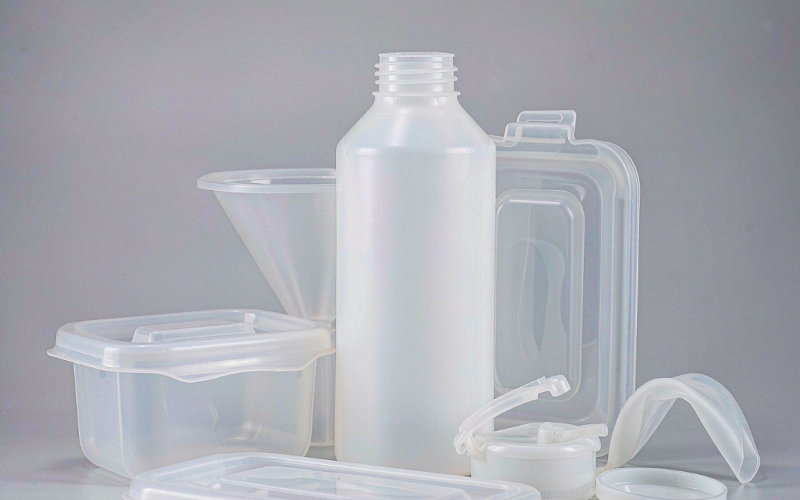
LLDPE is produced by copolymerization and has higher tensile strength and impact resistance. It is more chemically resistant and mechanically superior to LDPE, commonly used to manufacture durable containers, caps, and seals. LLDPE has a narrower processing temperature range and is slightly more difficult to process.
Other Types Of Polyethylene Material
- Medium-Density Polyethylene (MDPE):MDPE lies between LDPE and HDPE, combining certain toughness and rigidity. It has good impact resistance and chemical resistance, suitable for transport pipes and packaging materials.
- Ultra-High Molecular Weight Polyethylene (UHMWPE):UHMWPE has an extremely high molecular weight, giving it outstanding wear resistance and impact strength, commonly used in medical implants and high-performance mechanical parts. Due to its extremely high melt viscosity, it is very difficult to process using conventional injection molding machines, typically requiring specialized techniques.
Due to differences in physical and chemical properties among the various types of polyethylene, they require different processing parameters such as melt temperature, mold temperature, injection pressure, and cooling time during injection molding.
Reasonable material selection and optimization of process parameters are key to ensuring the quality and performance of molded parts.
For example, products requiring high chemical resistance and mechanical strength typically choose HDPE, while those needing flexibility and good transparency tend to prefer LDPE.
| Type | Density (g/cm³) | Crystallinity | Flexibility | Stiffness | Typical Shrinkage | Main Advantage | Primary Use in Molding |
|---|---|---|---|---|---|---|---|
| LDPE | 0.91–0.94 | Low | High | Low | 1.5–3.5% | Softness & easy flow | Flexible parts, thin walls |
| HDPE | 0.94–0.97 | High | Low | High | 1.5–4% | Rigidity & strength | Rigid containers, structural parts |
| LLDPE | 0.91–0.94 | Medium | High | Medium | 1.5–4% | Toughness & puncture resistance | Impact-resistant flexible parts |
| MDPE | ~0.93–0.94 | Medium | Medium | Medium | Similar to LDPE/HDPE | Balanced properties | Specialty closures & fittings |
| UHMWPE | 0.93–0.98 | Very high | Low | High | High | Extreme wear resistance | Specialized wear parts |
Processing Conditions Of Polyethylene Injection Molding
Polyethylene injection molding involves carefully controlled processing conditions to ensure the production of high-quality parts with consistent dimensional accuracy and surface finish.
The key parameters include melt and mold temperatures, injection speed, injection pressure, cooling time, screw speed, and back pressure.
Melt And Mold Temperatures
The melt temperature is critical as it determines the viscosity of the molten material and affects flow into the mold cavity. For polyethylene, the melt temperature typically ranges from 160°C to 300°C depending on the type of resin used.
HDPE has a higher melting point and requires a melt temperature between 200°C and 300°C, as well as higher mold temperatures during injection molding, while LDPE melts between 160°C and 260°C..The mold temperature usually ranges from 20°C to 80°C.
Maintaining uniform cooling of the part is essential to reduce common defects such as warpage and sink marks.
Injection Pressure And Speed
Injection speed needs to be optimized to balance filling the mold quickly and avoiding defects caused by trapped air or excessive shear stress.
Injection pressure for polyethylene molding typically ranges from 700 to 1,200 bar. High pressure helps to pack the molten material into the mold, reducing insufficient packing and improving dimensional stability.
Screw Speed and Back Pressure
Screw speed controls the melting and homogenization of the polyethylene resin, usually maintained between 40 and 100 rpm.
Proper screw speed ensures good chemical resistance and excellent processability of the molten material. Back pressure, generally kept low around 5 to 10 bar, helps to prevent trapped air and ensures uniform melt quality.
Cooling Time and Part Thickness
Cooling time can account for up to 50% of the injection molding cycle. It is influenced by part thickness and resin type. Uniform cooling is vital to achieve good dimensional accuracy and surface finish. Thicker parts require longer cooling times to avoid defects such as sink marks and internal voids.
Tooling Costs and Process Optimization
While polyethylene injection molding is cost effective due to the low cost of the resin, tooling costs can be significant. Optimizing part geometry and processing parameters such as injection speed and melt temperature helps reduce cycle times and improve part quality, making the process more economical.
By carefully controlling these processing conditions ,manufacturers can leverage the many advantages of polyethylene injection molding to produce durable parts for automotive applications, medical applications, and various industrial products.
| Process Parameters | LDPE | HDPE |
|---|---|---|
| Barrel/Melt Temperature | 140°C – 200°C | 200°C – 300°C |
| Mold Temperature | 30°C – 45°C | 40°C – 65°C |
| Injection Pressure | 50 – 100 MPa | 50 – 100 MPa |
| Molding Shrinkage Rate | 1.5% – 3.5% | 1.5% – 4.0% |
Advantages Of Polyethylene Injection Molding
Polyethylene is one of the most widely used materials in injection molding due to a combination of material properties and processing benefits. Below are the key advantages:
Good Chemical Resistance
Polyethylene’s excellent chemical resistance ensures that molded parts can withstand exposure to many chemicals and aggressive environments without degrading.
Excellent Processability
Additionally, polyethylene in pellet form facilitates easy handling and consistent feeding into injection molding machines, enhancing process efficiency. The material’s relatively low melting point and good flow characteristics allow for efficient molding cycles and detailed part geometries.
High Impact Resistance
Polyethylene also exhibits high impact energy absorption, making it highly resistant to mechanical shocks and stresses during use. This impact resistance is particularly beneficial in applications such as automotive parts, protective gear, and containers that require durability.
Versatile Mechanical Performance
Another advantage is polyethylene’s ability to perform well in lower crystallinity forms, such as LDPE and LLDPE, which provide flexibility and toughness, whereas higher crystallinity forms like HDPE offer rigidity and strength.
This range allows designers to select the ideal polyethylene type for their specific application needs.
Cost Effective
The process of polyethylene injection molding is also cost-effective due to the material’s availability and the efficiency of molding cycles. The combination of low raw material cost, recyclability, and the ability to produce complex shapes with minimal waste further contributes to its economic advantage.
In summary, polyethylene injection molding provides a highly adaptable, durable, and cost-efficient solution for manufacturing a broad spectrum of products, benefiting from its chemical resistance, impact strength, and customizable properties to meet diverse industrial demands.
Disadvantages Of Polyethylene Injection Molding
Despite its many advantages, polyethylene injection molding also has some limitations and challenges that manufacturers and designers should consider.
High Shrinkage and Warpage
Polyethylene, especially HDPE, exhibits a relatively high shrinkage rate, typically between 1.5% and 4.0%. This shrinkage occurs mostly during the cooling phase after injection and can lead to warpage or dimensional inaccuracies in the finished part.
Uneven cooling or inappropriate mold design can exacerbate these issues, making it essential to carefully control cooling rates and mold temperatures.
Poor UV Resistance
Standard polyethylene materials have poor resistance to ultraviolet (UV) radiation, which can cause degradation, discoloration, and loss of mechanical properties over time when exposed to sunlight.
To improve outdoor durability, UV stabilizers and additives must be incorporated, adding to the material cost and complexity.
Limited Heat Resistance
Polyethylene has a relatively low maximum service temperature, typically around 70°C to 80°C for HDPE, which limits its use in high-temperature applications. Parts exposed to sustained high temperatures may soften, deform, or lose structural integrity.
Material Recyclability Considerations
Though polyethylene is mechanically recyclable under suitable conditions, contamination and degradation during recycling can affect the quality of recycled material. Proper recycling processes and quality control are necessary to maintain performance standards in reused polyethylene parts.
Applications Of PE Injection Molded Parts
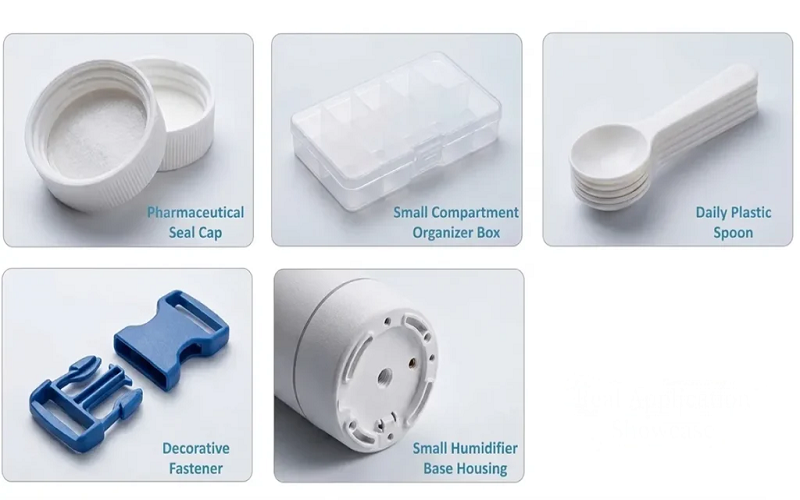
Polyethylene injection molded parts are widely used across various industries due to their versatile properties, including chemical resistance, impact strength, and cost-effectiveness. These applications span from everyday consumer products to specialized industrial components.
- Consumer Goods:Polyethylene is commonly used to manufacture household items such as containers, caps, lids, and flexible packaging materials. LDPE and LLDPE are often chosen for flexible packaging and squeeze bottles, while HDPE is preferred for rigid containers and durable household goods.
- Automotive Industry:In the automotive sector, polyethylene injection molded parts are used for fuel tanks, bumpers, interior panels, and under-the-hood components. HDPE’s high impact resistance and chemical stability make it suitable for plastic auto parts exposed to harsh environments and mechanical stress.
- Medical and Healthcare:Ultra-High Molecular Weight Polyethylene (UHMWPE) is used in medical implants such as joint replacements due to its excellent wear resistance and biocompatibility. Additionally, polyethylene parts are used in medical device housings and laboratory equipment where chemical resistance and sterilization compatibility are essential.
- Industrial Applications:Polyethylene molded parts serve in industrial settings as piping systems, chemical tanks, and fittings. MDPE and HDPE are popular choices for these applications due to their toughness and resistance to various chemicals, including reducing agents.
- Agricultural Uses:In agriculture, polyethylene is used for irrigation components, greenhouse films, and containers for fertilizers and pesticides. Its durability and resistance to environmental stress make it suitable for outdoor applications when properly stabilized.
- Packaging and Shipping:Polyethylene’s lightweight nature and impact resistance make it ideal for protective packaging, pallets, and crates. The material’s recyclability also supports sustainable packaging solutions.
Overall, the broad range of polyethylene types and their customizable properties allow manufacturers to tailor injection molded parts to meet specific performance requirements across diverse applications.
Conclusion
Polyethylene injection molding is a versatile and widely used manufacturing process that offers numerous benefits such as chemical resistance, impact strength, and cost efficiency.
By selecting the appropriate type of polyethylene and optimizing processing parameters, manufacturers can produce high-quality parts for a broad range of applications, from consumer goods to industrial and medical products.
Despite some challenges like shrinkage and UV sensitivity, advances in material formulations and processing techniques continue to expand the potential of polyethylene injection molded parts.