
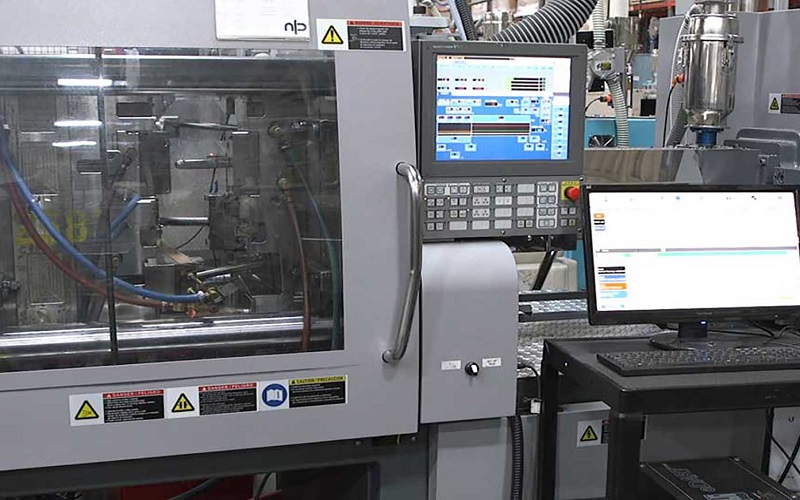
Scientific injection molding is a plastic molding technology based on scientific principles and data-driven methods, aimed at achieving high-quality and highly consistent product production through precise control of various parameters in the injection molding process.
With the development of injection molding technology, the traditional trial-and-error method has gradually been replaced by scientific injection molding.
The latter effectively reduces defects, shortens production cycles, and improves product dimensional stability and surface quality through systematic process analysis and strict process control.
This article will delve into the fundamental principles of scientific injection molding, key process parameters, and its application in practical production, helping engineers and manufacturing enterprises better understand and master this advanced injection molding technology.
What Is Scientific Injection Molding?
Scientific Injection Molding (SIM) is an injection molding technology based on scientific principles and data-driven methods. It achieves high product quality consistency and maximizes production efficiency through systematic analysis and control of various parameters in the injection molding process.
SIM emphasizes a comprehensive understanding of the injection molding machine, mold, and raw materials, utilizing advanced measurement equipment and software tools to monitor key factors in real time. This effectively prevents common defects like sink marks, bubbles, burn marks, and warpage.
This approach not only significantly reduces scrap rates and shortens production cycles but also ensures stable process parameters across different batches and equipment, guaranteeing product repeatability and consistency.
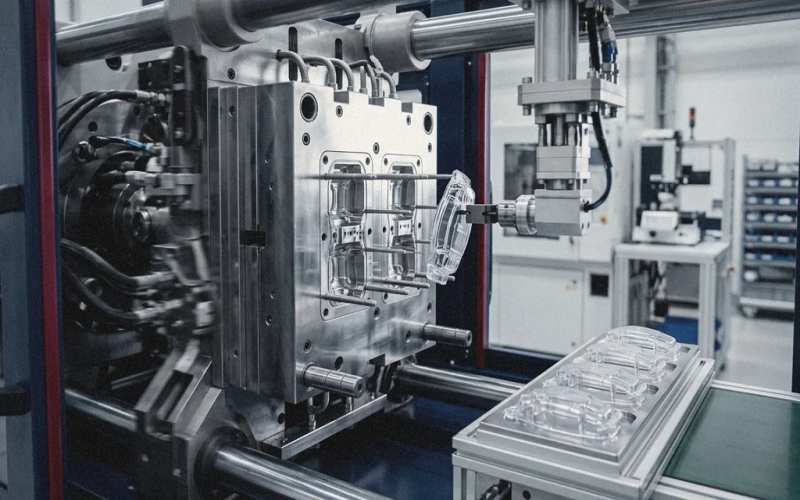
Differences Between Scientific Injection Molding And Traditional Injection Molding
The main difference between scientific injection molding and traditional injection molding lies in its systematic, data-driven process control approach.
Traditional injection molding relies heavily on experience and trial-and-error methods, continuously adjusting machine parameters until the product’s appearance and dimensions meet requirements.
However, this method lacks a deep understanding of the plastic flow and solidification process, often leading to significant process fluctuations and unstable product quality.
In contrast, scientific injection molding is based on a scientific analysis of plastic behavior, utilizing advanced measurement equipment and data acquisition systems to monitor key parameters in real-time during the injection molding process, such as melt temperature, filling time, cavity pressure, and mold temperature.
With this data, engineers can establish a stable process window to ensure each production cycle operates within the optimal range, achieving high repeatability and consistent product quality.
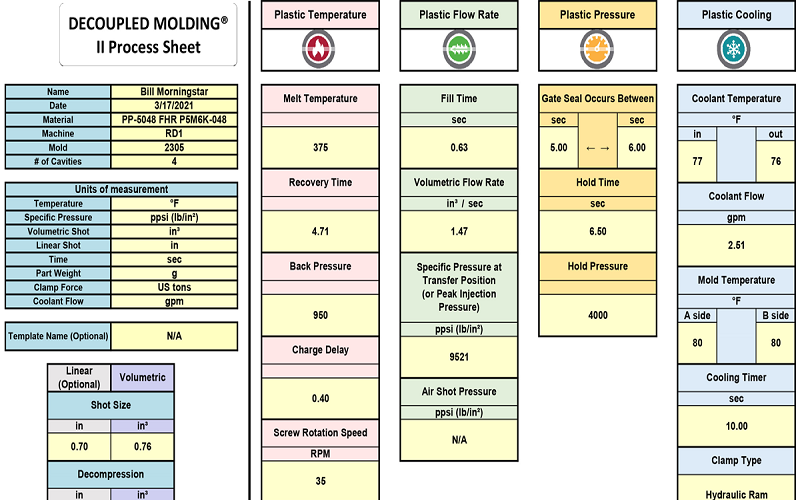
Moreover, scientific injection molding emphasizes decomposing the injection molding process into independent stages for precise control and optimization. This decoupled process strategy reduces interference between stages, improving molding stability and production efficiency.
Scientific injection molding also focuses on standardizing and documenting process parameters, facilitating process transfer across different equipment and production lines, enhancing factory flexibility and responsiveness.
In summary, scientific injection molding uses scientific methods and data-driven approaches to transform manufacturing from experience-based to intelligent manufacturing, significantly improving quality control levels and production efficiency in injection molding products.
| Comparison Dimension | Traditional Injection Molding | Scientific Injection Molding (SIM) |
|---|---|---|
| Control Method | Experience and trial-and-error, mainly adjusting machine parameters | Data-driven, controlling the true behavior of the plastic |
| Phase Control | Filling and packing often mixed together | Filling, packing/shrinkage compensation, and cooling decoupled and independently optimized |
| Filling Control | Pressure-driven | Velocity-controlled filling to 95%-99%, then switching to pressure packing |
| Consistency | Easily affected by machine, material, and batch variations | Robust process window, reproducible across machines and factories |
| Verification and Monitoring | Relying on appearance and dimensional sampling inspection | Scientific verification combining cavity pressure, SPC, DOE, etc. |
Principles Of Scientific Molding Process
The core concept of scientific injection molding is to treat the injection molding process as a measurable and controllable engineering system.
It uses decoupled control to completely separate the originally interfering stages and precisely regulate the process based on the actual behavior of the plastic rather than simply machine parameters.
1. Core Methodology
- Decoupled Control (Decoupled Molding):The filling stage is controlled by speed, and the packing stage is controlled by pressure, strictly separated to reduce mutual interference.
- Plastic-Centric:Focuses on the real behavior of the plastic such as viscosity, shear, pressure transmission, and cooling shrinkage, rather than simply machine settings . For example,thermal conductivity affects cooling rates in the molding process.
- Process Window Thinking:Instead of pursuing a single “optimal point,” it finds a robust range of parameters that have the least impact on quality.
- Data and Sensor Driven:Combines cavity pressure sensors, viscosity curves, DOE (Design of Experiments), and Statistical Process Control (SPC).
2.The Phases of Decoupled Molding
Unlike traditional injection molding (which uses a single constant pressure throughout the entire cycle), scientific injection molding divides the molding process into several independent stages.It mainly consists of three core stages:
- Filling Stage: In this stage, molten plastic is injected through the nozzle into the mold cavity. Scientific injection molding emphasizes precise control of injection speed and pressure to ensure the plastic fills the cavity evenly and completely, avoiding defects such as short shots and bubbles. Pressure variations (pressure drop) and flow characteristics are important parameters that need to be monitored in real time.
- Packing and Holding Stage: After filling is complete, pressure continues to be applied to compensate for material shrinkage during cooling, preventing sink marks and deformation. Scientific injection molding strictly separates the packing stage from the filling stage, independently controlling packing pressure and time to ensure dimensional stability and mechanical properties of the product.
- Cooling and Metering Stage: After packing ends, the mold is already beginning to cool, solidifying the plastic and forming the product. Scientific injection molding optimizes cooling rate and mold temperature to reduce cycle time and improve production efficiency while ensuring consistent product quality. The metering stage involves screw rotation and plastic preparation for the next injection cycle.
By separating injection filling, packing, and cooling stages for independent optimization and monitoring, the entire molding process stability and repeatability are ensured.
Key injection molding parameters such as injection speed, melt temperature, mold temperature, and pressure must be strictly controlled within established process windows to avoid molding defects caused by parameter fluctuations.
Essential Scientific Molding Tests And Studies
In practice, scientific injection molding also relies on an in-depth understanding of material characteristics, including melt viscosity, melt temperature, and cooling rate, which directly affect the performance during the filling and holding stages.
Through scientific testing and data analysis, the behavior of materials within the mold cavity can be accurately predicted, optimizing the injection molding process design and reducing the occurrence of defects.
Renowned experts such as John Bozzelli have made significant contributions in this field. The scientific injection molding theories and methods they proposed have become industry standards, driving the entire injection molding industry toward a more scientific and efficient direction.
Viscosity Curve Study
Evaluates injection speed versus material viscosity to find a stable plateau region that avoids polymer degradation or excessive shear.
This study helps to helps select an appropriate injection speed for consistency by identifying a stable plateau region where the melt viscosity does not change significantly with small changes in injection speed.
Flow Balance Test
Assesses the uniformity of plastic flow into multiple cavities or sections of a mold. This test identifies imbalances that could lead to uneven filling, causing defects such as short shots or excessive flash.
By determining the flow balance, adjustments can be made to runners, gates, or mold temperature to achieve consistent filling across all cavities.
Pressure Drop Test
Measures the pressure loss throughout the injection system, including the machine nozzle, runners, gates, and mold cavity. This test helps to identify areas where excessive force is required to push the molten plastic, which can indicate flow restrictions or design issues.
Ensuring that the injection pressure does not exceed 90% of the machine’s maximum pressure is critical to avoid problems and maintain process stability.
Appearance Molding Window
Defines the process window in terms of holding pressure and material or mold temperature that produces acceptable part appearance.
This window indicates the range of parameters where the molded parts meet quality standards without defects like sink marks, warpage, or surface blemishes. A larger molding window signifies a more robust and stable process.
Gate Freeze Time Test
Determines the time required for the gate to solidify and freeze, preventing backflow during the packing phase.
This test ensures that holding pressure is applied long enough to compensate for material shrinkage but not so long as to unnecessarily extend cycle times. Proper gate freeze time is essential for repeatability and dimensional control.
In conclusion, these essential tests and studies form the backbone of scientific injection molding, enabling manufacturers to ensure repeatability, minimize problems, and maintain high-quality production standards across various industries.

Advantages Of Scientific Injection Molding
Scientific injection molding offers numerous benefits that make it a preferred choice for companies aiming to improve production quality, efficiency, and consistency. These advantages stem from its data-driven approach and emphasis on understanding the science behind the plastic molding process.
Improved Product Quality and Consistency
By monitoring and controlling key parameters such as cavity pressure, melt temperature, and injection speed, scientific injection molding ensures that each part produced meets strict quality standards.
This process minimizes defects like sink marks, warpage, and voids, resulting in better dimensional stability and surface finish across large production runs.
Reducing Scrap Rates
The precise control and early detection of potential defects significantly reduce the number of rejected parts. This leads to cost savings by eliminating unnecessary material waste and rework, benefiting both the environment and the bottom line.
Enhanced Process Stability and Repeatability
Scientific molding establishes a robust process window that remains consistent across different machines and facilities. This machine-independent approach allows companies to transfer processes seamlessly between production lines or locations without compromising quality.
Faster Troubleshooting and Process Optimization
With real-time data monitoring and structured testing methodologies such as DOE (Design of Experiments) and Statistical Process Control (SPC), engineers can quickly identify and eliminate the root causes of defects. This reduces downtime and accelerates process improvements.
Shortened Production Cycles
By optimizing cooling rates, injection speeds, and packing pressures, scientific molding minimizes cycle times without sacrificing quality. This efficiency boost allows companies to increase throughput and meet tight production schedules.
Cost Efficiency and Profitability
The combination of reduced scrap, faster cycle times, and improved quality results in higher overall profitability. Scientific injection molding helps companies achieve consistent product performance while lowering operating costs.
Improved Traceability and Compliance
Detailed process documentation and monitoring enable better traceability of each production batch. This is especially beneficial in regulated industries such as medical, automotive, and aerospace, where compliance with strict standards is mandatory.
Through these measures, scientific injection molding brings significant advantages, and meeting the stringent requirements of high-precision industries like automotive, medical, and aerospace.
Conclusion
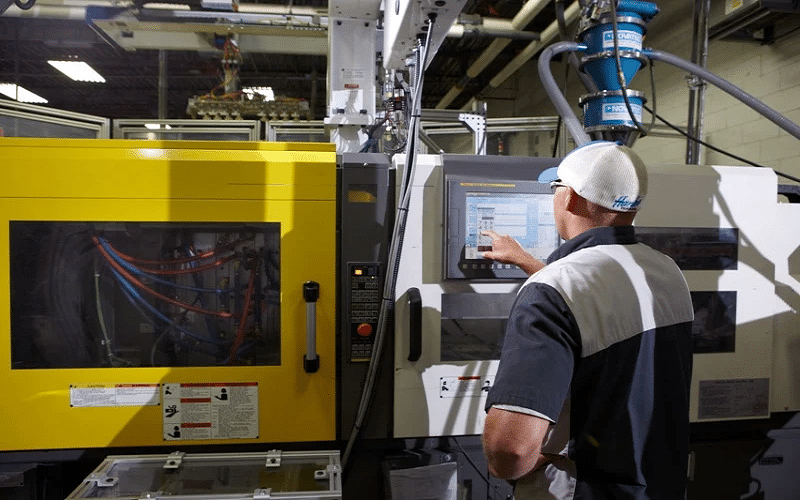
The successful implementation of scientific injection molding relies not only on scientific methods and data-driven process control but also requires enterprises to have complete facilities, advanced equipment, and professional technical teams.
Only through continuous process monitoring and improvement can the injection molding process be effectively promoted towards higher levels of scientific and automated development, thereby achieving stable product quality enhancement and significant production efficiency improvement.
Scientific injection molding is gradually becoming the industry standard, helping manufacturing enterprises maintain a leading advantage in the fierce market competition.