
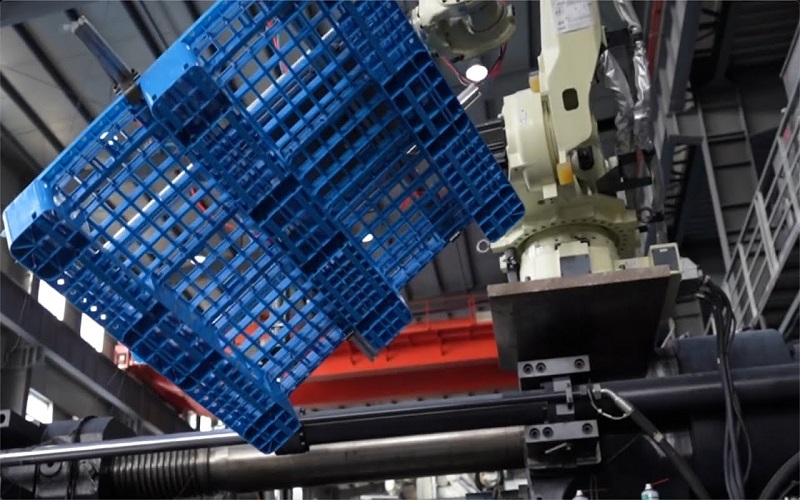
Plastic pallet manufacturing affects more than a pallet’s load capacity. It also influences warehouse efficiency, transportation costs, and long-term service life.
Different plastic pallet types and molding processes offer distinct advantages, making them suitable for different industries, equipment, and supply chain applications.
This guide covers the main plastic pallet manufacturing processes and product types. It also outlines the materials, load capacities, hygiene requirements, and total cost of ownership to consider when choosing a solution that best fits your business operations.
Main Manufacturing Processes For Plastic Pallets
Plastic pallet manufacturing uses several molding methods, and each affects a pallet’s cost, strength, design options, and production volume.
Most pallets are made from thermoplastic resins such as high-density polyethylene (HDPE) and polypropylene (PP).
The right process depends on the application, required load capacity, expected service life, and order quantity. A plastic pallet company can help match these factors to a suitable pallet design.
High-Pressure Injection Molding
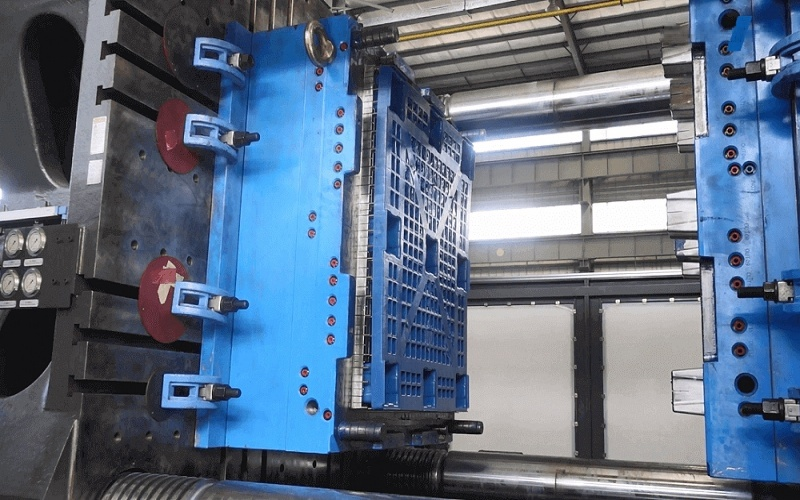
High-pressure injection molding is a high-speed process suited to high-volume production. Molten plastic is injected into a precision mold, where it cools into a consistent shape.
This method can produce durable, dimensionally consistent pallets with integrated features such as deck patterns, runners, and RFID chip locations for supply chain visibility. The highest-quality plastic pallets are all produced using an injection molding process.
Injection molded pallets are common for standardized designs and large orders, as high-pressure injection molding is best for high-volume production. Orders may typically exceed 50,000 units to justify tooling investment, though actual minimums vary by design and manufacturer.
Structural Foam Molding
Structural foam molding uses gas during the molding process to create a cellular interior. This can reduce weight while maintaining rigidity, making it useful for pallets that need substantial load capacity.
Structural foam molding costs less than injection molding, although the cellular structure may be more vulnerable to chipping under severe impact. Buyers should consider the operating environment and risk of product damage when comparing options.
Thermoforming
Thermoforming heats a plastic sheet and forms it over a mold, often using vacuum. It is typically a lower-cost option and is commonly used for lightweight, nestable pallets.
Because the finished pallet can be more flexible than one produced by other methods, buyers should verify load ratings and suitability for repeated, heavy-duty handling.
Blow Molding
Blow molding can create lightweight, strong hollow structures for heavy-duty applications. The best option depends on the pallet’s geometry, performance requirements, and expected quantity.
Rotational Molding And Compression Molding
Plastic pallets can be made using rotational molding and compression molding.Plastic powder is placed in a mold, heated, and rotated so the molten plastic coats the inner walls evenly. After cooling, it forms a seamless, thick-walled structure.
Rotational molding is suitable for low-volume production and can produce large, heavy-duty pallets. However, its longer production cycle may make it less suitable for large orders.
Compression molding often uses recycled plastic. The molten material is placed in a mold and formed under high pressure, making this process suitable for producing pallets from recycled materials.
No single process is best for every operation. Injection molding offers speed and consistency at scale; structural foam balances weight, rigidity, and cost; thermoforming can be economical for lightweight designs; and rotational molding can suit lower-volume, heavy-duty products. Compare the finished pallet’s specifications, not just the process name.
Types Of Plastic Pallets
Plastic pallet design varies to suit different loads, storage systems, and shipping patterns. Choosing the right design helps businesses balance purchase cost, handling efficiency, and service life.
Before ordering, confirm the pallet’s static, dynamic, and racking load ratings against the actual load and equipment used in your facility.
Nestable Plastic Pallets
Nestable plastic pallets are designed to fit inside one another when empty. This saves storage space and can reduce return freight costs by nesting up to 4:1, depending on the pallet design.
They are often lightweight, making them a practical choice for export shipments, one-way transport, and operations that need to return empty pallets efficiently. Recycled plastics are commonly used to produce lower-cost pallets for these applications.
Although some nestable models are reusable, check their load ratings and durability before putting them into frequent, heavy-duty service.
Stackable Plastic Pallets
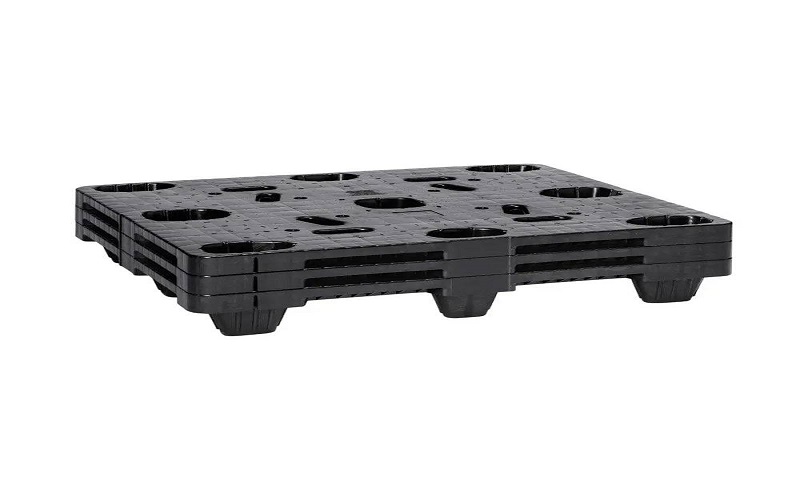
Stackable plastic pallets have a top or base design that allows loaded pallets to be placed securely on top of one another. They are useful in manufacturing, distribution, and storage environments where vertical stacking is part of the workflow.
Some stackable plastic pallets can support static loads of up to 30,000 lbs, but capacity varies by model and conditions. Confirm the rated load and stacking configuration with the manufacturer, and make sure the load is stable and evenly distributed.
Rackable Plastic Pallets
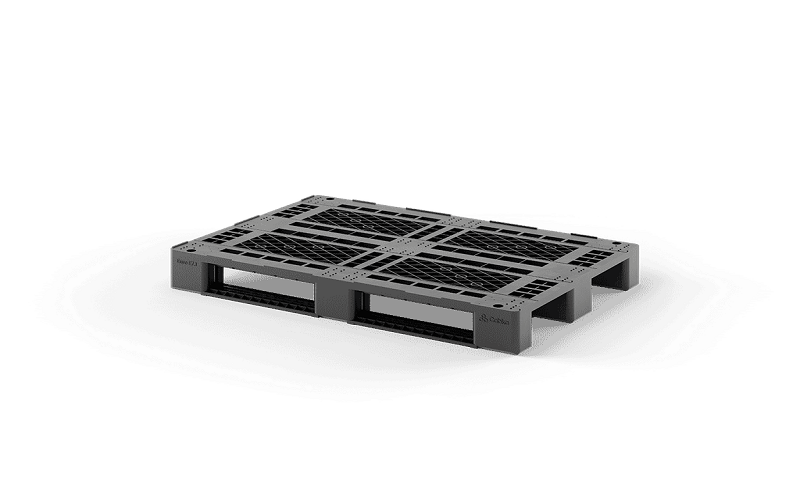
Rackable plastic pallets are engineered to rest on warehouse racking beams, often without continuous support beneath the deck. Their design may include reinforced runners or structural features to resist bending under load.
Rackable pallets optimize floor space in unsupported racking systems. A pallet suitable for floor stacking may not be appropriate for warehouse racking.
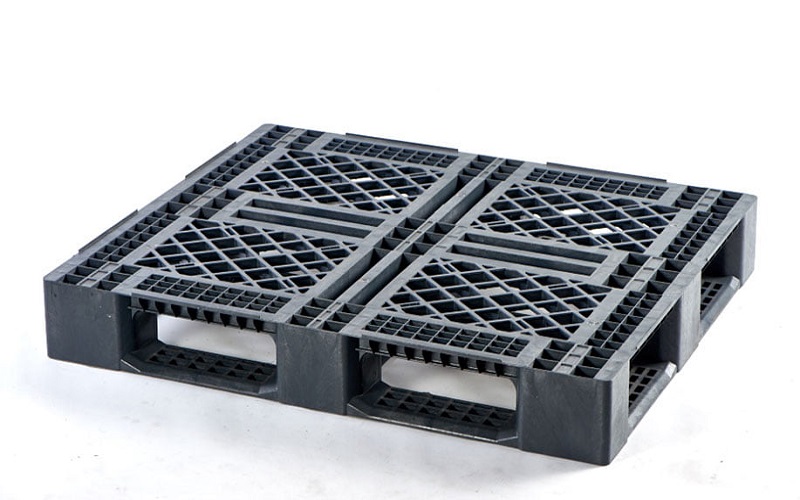
Heavy-Duty Plastic Pallets
Heavy duty plastic pallets are designed for repeated use, high loads, and demanding handling conditions. Depending on the design, they may include reinforced sections or embedded steel supports to improve performance in racking and other applications.
Some heavy-duty models can endure 100 to 300 rotations before replacement, although actual service life depends on load, handling practices, and operating conditions.
These pallets typically have a higher initial cost than lightweight shipping designs, so compare their expected service life and total cost of ownership.
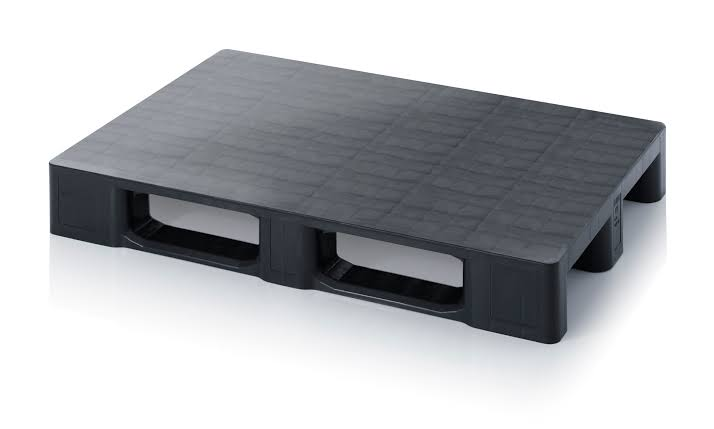
One-Way And Export Pallets
One-way shipping pallets are typically lightweight and inexpensive, making them suitable when pallets are not expected to return to the shipper. At the end of a shipment, they may be reused or recycled, rather than discarded, if their condition and local recycling options allow.
Plastic export pallets can also avoid the wood-pallet treatment requirements associated with international shipping. When selecting a model, check that its dimensions and load capacity meet carrier, product, and destination requirements.
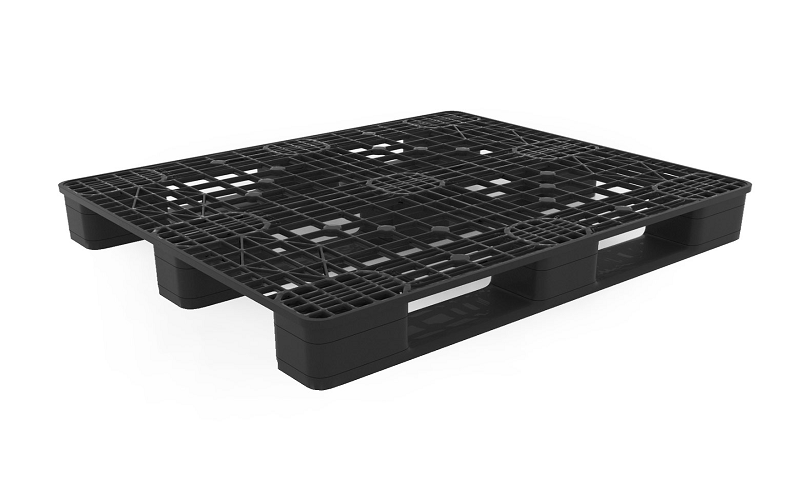
Manufacturers may offer solid or vented decks, different base styles, and features for specific equipment or reusable packaging systems. Request technical specifications and confirm compatibility with conveyors, forklifts, pallet jacks, and racking before placing an order.
| Plastic Pallet Type | Key Features | Suitable Applications |
|---|---|---|
| Nestable | Empty pallets fit inside one another to save storage space; some designs can reduce return-transport space by approximately 4:1 | Export shipping, one-way transport, and operations that need to efficiently retrieve empty pallets |
| Stackable | Designed to allow loaded pallets to be stacked vertically; some models support static loads of up to 30,000 lbs | Manufacturing, warehousing, distribution, and vertical storage operations |
| Rackable | Reinforced design supports loads on warehouse rack beams | Warehouses and distribution centers that use pallet racking |
| Heavy-duty | Built for high loads and repeated use; some models can withstand approximately 100–300 rotations | Closed-loop logistics, manufacturing, heavy-duty warehousing, and frequent handling |
| One-way / Export | Typically lightweight and low-cost for single-use shipments; plastic pallets generally do not require the ISPM 15 treatment required for wood packaging | Export shipping, one-way transport, and operations where pallets do not need to be returned |
Common Materials Used In The Plastic Pallet Manufacturing Process
The primary raw materials used in plastic pallets are thermoplastics, mainly high-density polyethylene (HDPE) and polypropylene (PP), which account for most of the market. Recycled plastics and various additives are also widely used to optimize performance.
- High-density polyethylene (HDPE): The most commonly used material. It is impact- and moisture-resistant, making it suitable for repeated use and general warehousing and transportation.
- Polypropylene (PP): More rigid than HDPE, making it suitable for applications that require greater load-bearing capacity or dimensional stability.
- Recycled plastics: Often used for lower-cost one-way or export pallets. Performance depends on the quality of the recycled material and the pallet design.
Some pallets also contain additives that improve fire resistance, control static, or support use in low-temperature environments.
When choosing a material, consider the load, operating conditions, cleaning requirements, and expected number of rotations, and verify the pallet’s static, dynamic, and racking load ratings.
At the end of their service life, plastic pallets can be recycled and made into new plastic pallets, helping reduce waste and keep materials in use.
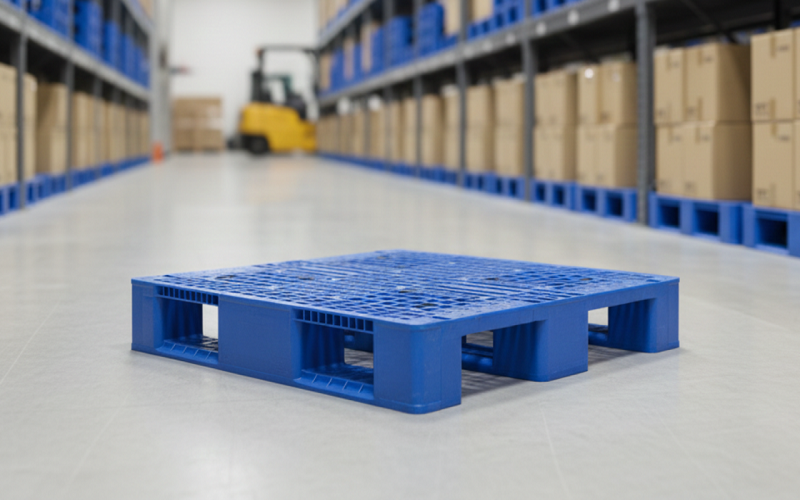
Plastic Pallets vs Wood Pallets
Choosing between plastic and wood pallets depends on budget, usage, hygiene needs, shipping routes, and equipment. Compare these factors to find the right fit.
Initial And Long-Term Costs
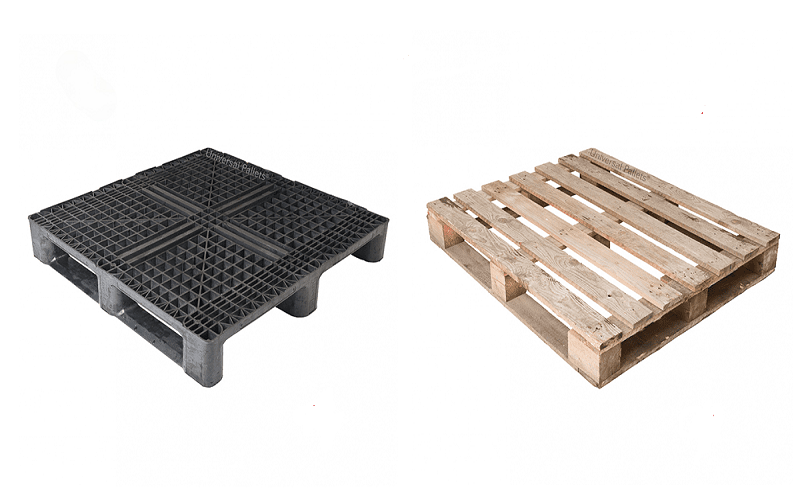
Wood pallets usually cost less upfront, making them suitable for tight budgets or one-way shipping. Plastic pallets cost $15–$250 each, depending on their size, material, capacity, and manufacturing process.
Compare expected use, maintenance, and return freight costs—not just purchase price. Plastic pallets typically last 8–10 years, and reusable models can last up to 100 times longer than wood pallets. Their durability can reduce replacement, handling, and disposal costs. More trips also lower the cost per trip.
Nestable plastic pallets fit inside one another when empty. Some nest at ratios of up to 4:1, saving return-transport space and freight costs.
Durability And Load Capacity
Wood pallets can break from impacts, moisture, and frequent handling, but damaged boards can often be replaced. Unlike wood pallets , plastic pallets have consistent dimensions and no loose boards, though they are generally harder to repair.
Some plastic pallets can support static loads exceeding 10,000 lbs, but rack capacity also depends on the pallet’s base design, rack-beam spacing, and load distribution. For racking, conveyors, or automated equipment, first confirm that the pallet’s dimensions and structure are compatible with the equipment.
Hygiene And Safety
Wood can absorb moisture and harbor dirt, bacteria, or mold. Damaged wood pallets may also have splinters or protruding nails.
Plastic pallets typically have a non-porous surface that does not readily absorb moisture and is easy to rinse or steam-clean.
Many of these products are made from virgin or recycled HDPE or PP resin, making them among the cleanest material-handling platforms available today.They also eliminate comparable risks from wood splinters and nails.
Weight And Automation
Plastic pallets offer consistent dimensions and weight, which can help automated systems run reliably. Some models weigh 30%–50% less than wooden pallets, though the difference varies by design.
Wood pallets can vary in size and weight, which may affect automated handling. Verify equipment compatibility before buying.
International Shipping And Recycling
Wood pallets used in international shipping generally require ISPM 15 treatment. Plastic pallets are exempt, although destination, customer, or carrier requirements may still apply. Both types can be reused or recycled where suitable local services are available.
Nestable plastic pallets can fit inside one another when empty, reducing the space needed to transport them and helping lower return freight costs.
How To Choose Based On Your Business Needs
Wood may suit operations that prioritize low upfront cost and easy repairs. Plastic may be a better fit for frequent reuse, easy cleaning, consistent dimensions, or reduced return-transport space.
Compare specific pallet models using your load, expected rotations, storage method, cleaning process, and equipment needs. The right choice depends on your operating conditions and total cost—not material alone.
Applications Of Plastic Pallets
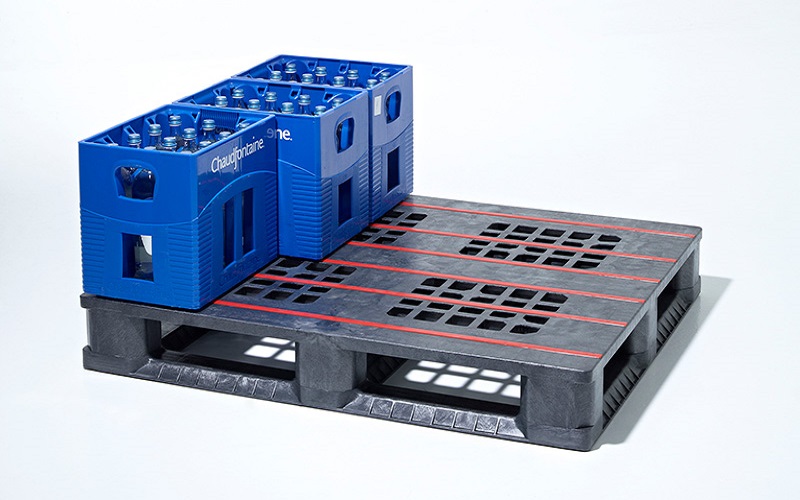
Plastic pallets are widely used across industries because they offer good hygiene, corrosion resistance, consistent dimensions, easy cleaning, exemption from fumigation requirements, and a long service life. Key applications range include:
- Food And Beverage: Sanitation, easy cleaning, and moisture resistance.
- Pharmaceutical Environments: Hygiene, cleanability, and applicable compliance requirements.
- Automotive and Aanufacturing: Heavy-duty handling, reusable pallets, and bulk containers.
- Warehousing And Distribution: Racking compatibility, storage, and automated handling.
- Export Shipping: Lightweight pallets that avoid wood-pallet treatment requirements.
Choose a pallet type to suit the application: use a closed-deck design where hygiene is a priority, nestable pallets for frequent returns, reinforced pallets for heavy loads in racking, and lightweight, treatment-exempt pallets for export.
How To Choose The Right Plastic Pallet Manufacturer?
Choosing a plastic pallet manufacturer involves more than comparing prices. Share your load requirements, handling equipment, operating conditions, and expected reuse so the supplier can recommend a suitable pallet and confirm its load ratings.
Compare available materials, manufacturing processes, customization options, and technical specifications, including dimensions, capacity, and compliance documents.
Check quality controls, production capacity, lead times, shipping, and support, then compare itemized quotes and total costs over the pallet’s service life.
Before placing a large order, test a sample in your operation to verify fit, stability, cleanability, and performance.
Conclusion
Plastic pallet manufacturing determines how well a pallet performs, what it costs, and how long it lasts. The right choice depends on your load requirements, handling equipment, hygiene needs, order volume, and return logistics.
Compare materials, molding processes, pallet designs, and verified load ratings—not price alone—and work with a reliable plastic pallet supplier to test a sample before purchasing.
For usa import or export operations, plastic pallets can also avoid ISPM 15 wood-treatment requirements.
When selected for the application and reused responsibly, durable, recyclable plastic pallets can improve efficiency and reduce long-term costs.