
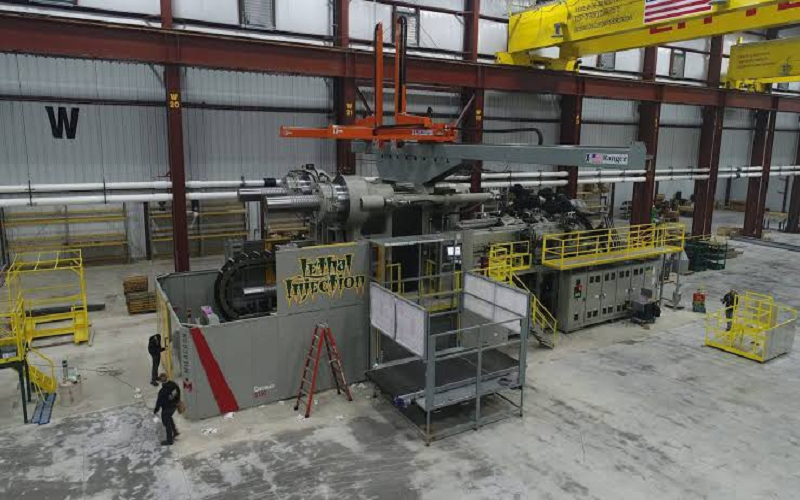
High-pressure injection molding is a manufacturing process that uses high pressure to inject molten plastic into a mold. It is widely used to produce automotive, medical, electronic, and consumer products.
The process efficiently fills complex mold cavities to create plastic parts with high dimensional accuracy, excellent surface quality, and intricate details, making it suitable for mass production.
This article explains how high-pressure injection molding works, covers its key equipment and process parameters, and compares high- and low-pressure molding to help readers choose the right molding solution for their materials, part designs, and production requirements.
What Is High Pressure Injection Molding?
High pressure injection molding is a manufacturing process in which molten plastic is forced into a closed mold cavity under substantial pressure. The term describes the pressure used to fill the mold; it is distinct from clamp pressure, which keeps the mold closed.
Standard injection molding commonly uses pressures around 70–100 MPa, while high pressure injection molding typically operates at approximately 150–200 MPa (about 10,000 to more than 30,000 PSI, depending on the machine and process). Some machines can reach pressures up to 200 MPa.
This process is suited to molding plastics into accurate, repeatable components, including complex geometries and fine details.
High pressure can produce thinner walls, tight tolerances, and smooth surfaces straight from the mold, making it useful for high-volume production in automotive, medical, electronics, and consumer-product manufacturing.
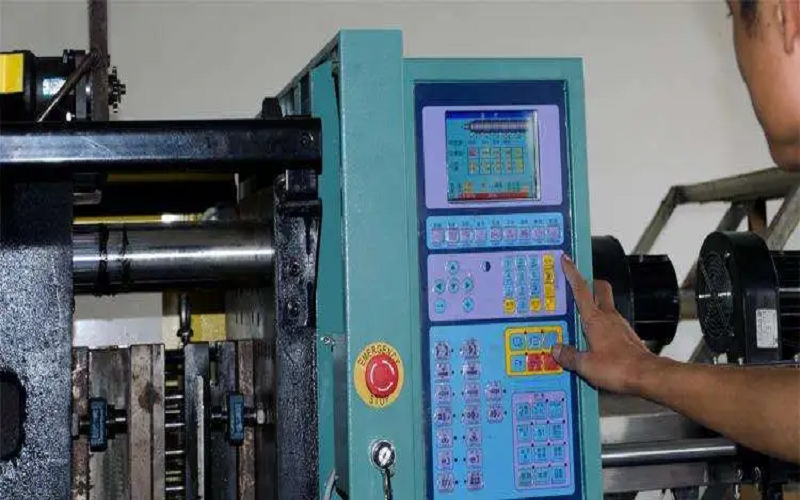
High Pressure Injection Molding Process
The basic sequence is clamping, injection, cooling, and ejection. Plastic pellets are melted in a heated barrel, then pushed forward by a rotating screw and driven into the mold by the injection system.
The pressure applied helps the melt fill detailed cavities and thin sections before it cools into a molded part. Cooling channels help maintain a uniform temperature and rapidly solidify the plastic; the mold then opens so the finished part can be ejected.
Depending on part complexity and wall thickness, a cycle may take roughly 5–120 seconds, or more broadly range from seconds to minutes.Once the tooling is established, production runs can yield consistent quality across millions of components.
Materials And Equipment Used In High Pressure Injection Molding
High-pressure injection molding relies on a compatible plastic, a durable mold, and an injection molding machine capable of controlling heat, pressure, and timing.
Materials
Common materials include ABS and polyamides, along with other thermoplastics selected for the part’s strength, flexibility, heat resistance, and appearance.
The right plastic type depends on the application: resin viscosity and melt temperature affect how easily the melt material flows through the tool, while additives can change properties such as color, impact resistance, or flame retardance.
Material versatility lets manufacturers choose thermoplastic formulations for a broad range of applications.
Injection Molding Machine
High-pressure injection molding typically uses a dedicated injection molding machine or one designed to handle high pressures. Injection pressure can reach 1,800 kg/cm² or more, while some ultra-high-pressure models can reach 2,500–3,000 kg/cm².
These machines also feature a more robust barrel and injection cylinder, as well as a screw with a larger length-to-diameter (L/D) ratio to improve material homogenization and force transmission.
Clamping force typically ranges from several hundred tons to more than 1,000 tons, depending on the part’s size and projected area, ensuring that the mold stays closed under cavity pressure.
Hydraulic system, hybrid, or all-electric control systems precisely regulate multi-stage injection speed and pressure profiles, as well as holding pressure and back pressure. High pressure molding machines can produce 10,000 parts daily.
Injection Mold
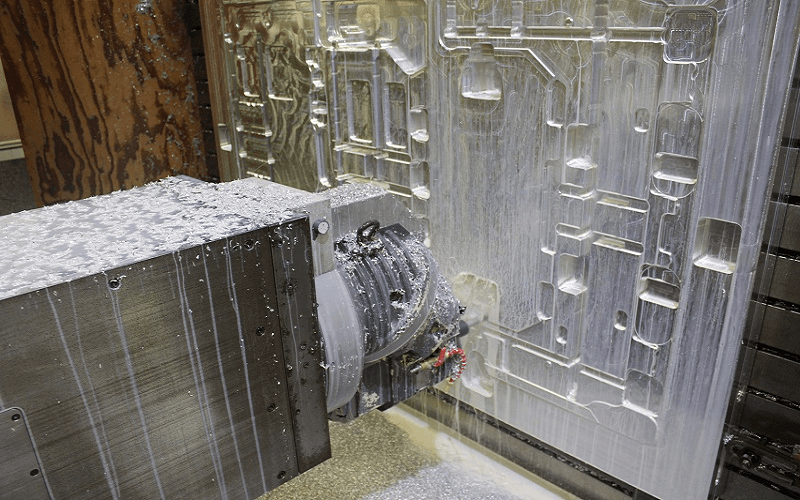
High-pressure molds are commonly made from hardened steel because the tooling must withstand repeated cycles and substantial pressure without deflecting. The mold’s runners, gates, vents, and cooling channels also need careful design.
A multi cavity tool can produce several parts per cycle, increasing output, but its cavities must fill evenly to maintain consistent dimensions.
Cooling time depends on material, wall thickness, and mold temperature; properly designed cooling helps control shrinkage and reduce warping.
With suitable machine capacity, robust tooling, and stable process control, manufacturers can produce detailed parts repeatedly at high volume for modern manufacturing.
Advantages Of High Pressure Injection Molding
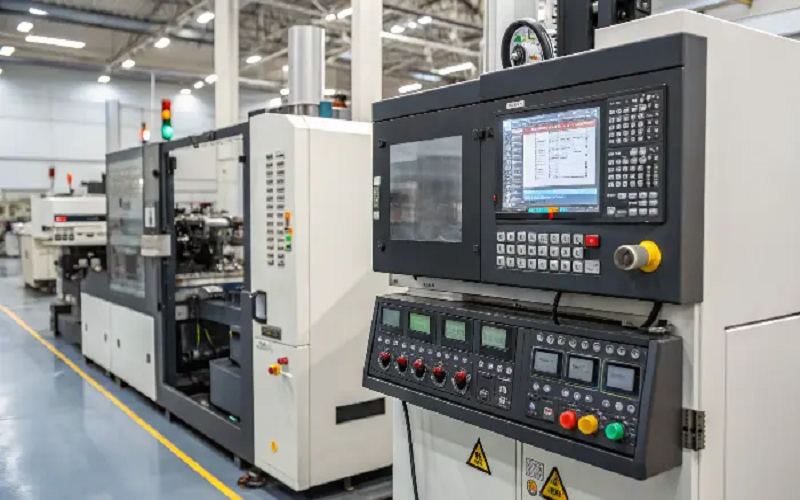
High-pressure injection molding excels in precision, filling capability, surface quality, material versatility, and production efficiency. It is particularly suitable for products with strict dimensional requirements, complex structures, or high-performance materials.
High Dimensional Accuracy And Repeatability
The pressure helps the plastic fill the cavity evenly, supporting tight tolerances and accurate details. Once the tooling and process conditions are established, manufacturers can produce consistent parts across runs of thousands to millions of components.
This repeatability makes the process useful for parts that must fit reliably in assemblies, including automotive and medical components.
Efficient High-Volume Production
High-pressure injection molding is designed for mass production. Its cycle times can range from about 5 to 120 seconds, depending on material, wall thickness, and part complexity.
Fast filling and cooling can reduce production cycle times, while multi-cavity molds increase the number of parts made per cycle. At high volumes, these efficiencies can lower the cost per component.
Complex Shapes And Thinner Walls
High injection pressure helps molten plastic reach narrow sections and fine mold features, making it possible to produce detailed designs and thinner walls.
This can support lightweight parts without sacrificing the required geometry or surface finish, provided the mold and material flow are properly designed..
Durable Tooling And Less Post-Processing
High-pressure molds are commonly made from steel to withstand repeated cycles and substantial forces.
Well-designed tooling can support long production runs, and parts often emerge with smooth surfaces and fine details that require little finishing. Closed-loop material delivery can also help minimize post-processing waste.
Limitations Of High Pressure Injection Molding
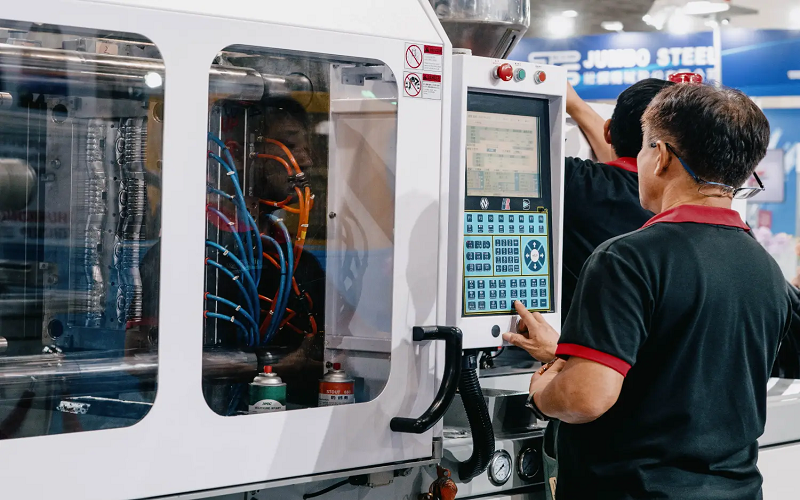
Despite its advantages, high pressure injection molding is not the best fit for every part or production run. The high forces involved require robust equipment, carefully engineered molds, and close control of process conditions.
A mold must be designed to fill evenly, vent air, and manage heat; poor material flow design can lead to incomplete filling, warping, or inconsistent dimensions.
Choosing the right injection rate, screw speed, and plasticizing pressure also takes testing, since many factors influence how a resin behaves in the mold.
High Tooling And Setup Costs
High-pressure molds are typically made from durable steel to withstand repeated cycles without deflecting. This makes tooling a substantial upfront investment, and design, machining, and validation can add time before production begins.
The investment is easier to justify for large, repeat orders, where tooling costs are spread across many parts. For prototypes or small production runs, the initial expense may outweigh the benefits; lower-pressure processes or alternative manufacturing methods may be more economical.
Not Ideal For Sensitive Components
The pressure and heat used in conventional injection molding can damage sensitive components during overmolding or encapsulation. Delicate electronics, sensors, batteries, and connectors may be stressed by the force applied as molten plastic enters the cavity.
Low pressure molding can be a better option for these applications because it minimizes damage to sensitive parts and is often used for overmolding.
Its lower operating requirements can also reduce energy consumption and material waste, although the best process depends on the part’s protection, performance, and production needs.
Process Control And Material Considerations
High pressure alone does not guarantee a good result. The injection screw must melt and mix the resin consistently, while proper back pressure helps control plastic melting and material uniformity.
Back pressure, sometimes called plasticizing pressure, is the resistance the melt exerts as the screw rotates during plasticizing; it is distinct from the pressure used to fill the mold.
Typical hydraulic back pressure settings may start around 50 PSI, but the appropriate setting depends on the material and machine.
Screw speed and the return throttle valve also affect screw rotation and recovery, so adjustments should be made with care to avoid excess heat, material degradation, or inconsistent product quality.
Manufacturers must balance enough pressure to fill the cavity with an appropriate injection rate and flow resistance through the mold.
The normal result of excessive pressure or unsuitable process settings may be flash, uneven filling, excessive wear, or defects that require rework. These issues can increase scrap, energy use, and production costs.
Testing the material, machine, and mold together helps establish a stable process and determine whether high-pressure molding is the right choice.
Common Applications Of High Pressure Injection Molding
High-pressure injection molding can be grouped into the following application areas:
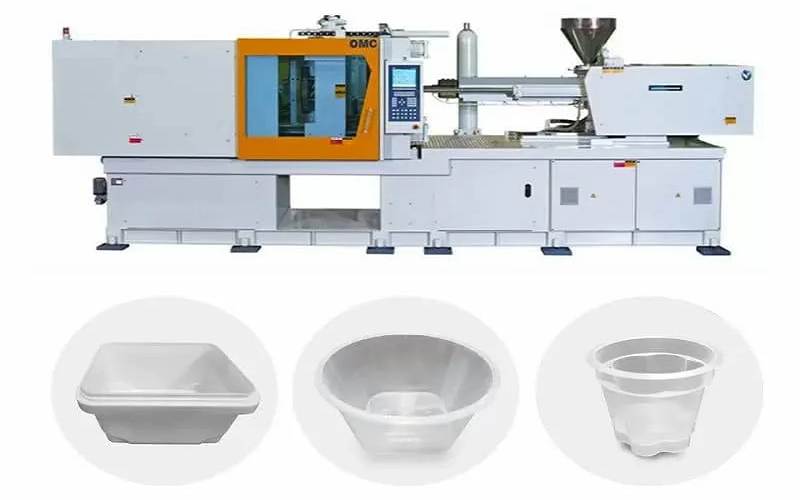
- Packaging: Widely used for thin-walled containers, bottle caps, trays, and in-mold labeling (IML) products. Its high-speed, high-pressure filling capability enables precision molding of parts with wall thicknesses under 1 mm while maintaining strength and production efficiency.
- Consumer electronics: Commonly used for housings for phones, computers, and wearable devices, as well as battery covers, lens holders, and precision connectors. The process meets requirements for complex structures, refined appearance, and tight dimensional tolerances.
- Medical devices: Suitable for syringes, diagnostic test kits, surgical instrument handles, and other precision medical components, delivering high dimensional accuracy, smooth surface finishes, and consistent quality from batch to batch.
- Automotive and new energy: Used for interior panels, switch panels, lighting bezels, sensor housings, electric-vehicle battery module structural components, and battery management system (BMS) housings. It is particularly well suited to molding glass-fiber-reinforced materials and strong, complex parts.
- Home appliances and other industrial applications: Examples include washing machine drums, fan blades, vacuum cleaner components, tool cases, and industrial electronics housings. These parts benefit from a combination of structural strength and dimensional stability.
Overall, high-pressure injection molding is especially suitable for delicate parts that require thin walls, complex geometries, high precision, and excellent surface quality.
High-Pressure vs Low-Pressure Molding
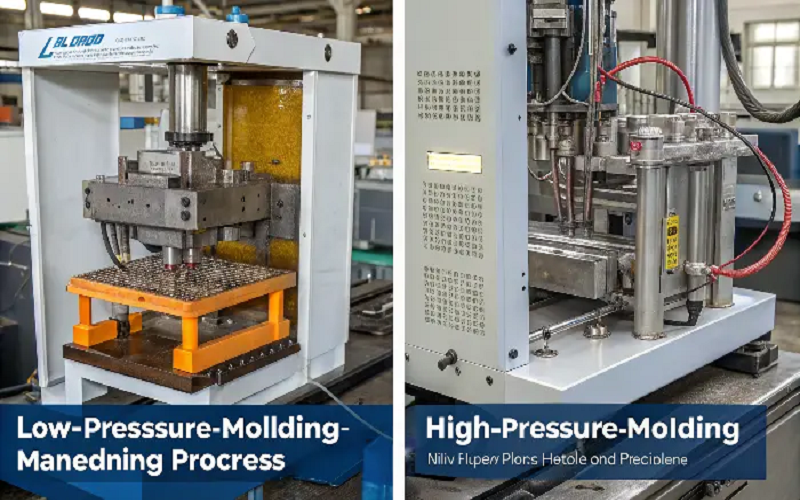
High-pressure and low-pressure molding both shape plastic parts, but they differ in the force used to fill the mold, the tooling required, and the applications they suit.
High-pressure injection molding pushes molten plastic into a closed mold at around 150–200 MPa. This pressure helps fill thin sections and intricate features, supporting tight tolerances and repeatable results at high production volumes.
Low-pressure molding uses much gentler pressure, making it a better fit when the process must protect delicate components or avoid stressing an assembly.
The choice depends on the part’s design, material, production volume, and performance requirements. High pressure is often preferred for rigid parts with complex geometries, fine details, or demanding dimensional requirements.
Low pressure is commonly selected for encapsulating electronics and other sensitive components, as well as overmolding applications where minimizing force and heat exposure is important. The table below compares the main considerations.
| Evaluation factor | High-pressure injection molding | Low-pressure injection molding |
|---|---|---|
| Typical injection pressure | 150–200 MPa (very high pressure) | Typically below a few hundred psi to a few MPa |
| Key advantages | High precision and repeatability; supports thinner walls and delivers a glossy surface finish. | Reduces material stress and energy consumption by approximately 40%, with less mold wear. |
| Main applications | Structurally complex, strength-critical parts, such as automotive components, medical devices, and durable consumer product housings. | Encapsulation and protection of sensitive electronic components, such as PCBs and sensors, without damaging internal circuitry. |
| Mold material requirements | Requires high-hardness hardened steel, pre-hardened steel, or beryllium copper to withstand substantial impact. | Can use lower-cost aluminum molds or soft tooling. |
Start by identifying what the part must do and what it must protect. Consider whether the design needs thin walls, tight tolerances, a smooth surface, or a complex shape; these requirements may favor high-pressure injection molding.
If the part includes a PCB, sensor, connector, or other delicate item, evaluate low-pressure molding to reduce the risk of damage during encapsulation or overmolding.
Also compare expected production volume, tooling budget, material compatibility, and the finished part’s weight and strength requirements.
A manufacturer can review the part design, resin, and production target to determine which process is practical. For borderline designs, comparing both processes before committing to tooling can help balance quality, cost, and protection needs.
Conclusion
High-pressure injection molding is a reliable choice for producing large volumes of precise, detailed plastic parts with thin walls and smooth finishes.
It combines high injection pressure, durable steel tooling, and carefully controlled cooling to deliver consistent results, though tooling costs and process requirements can make it less suitable for short runs or sensitive components.
Low-pressure molding may be a better fit when protecting delicate electronics is the priority. By comparing part design, material, production volume, budget, and performance needs, manufacturers can choose the right process and get in contact with a molding specialist to assess the best solution.